 Back
Ecology and Population Dynamics: General Biology Study Guide
Study Guide - Smart Notes
 Tailored notes based on your materials, expanded with key definitions, examples, and context.
Evolution & Natural Selection
Processes Behind Natural Selection
Natural selection is a fundamental mechanism of evolution, acting on genetic variation within populations. It results in adaptation to the environment and changes in population traits over time.
Genetic Variation: Differences in DNA among individuals provide the raw material for evolution.
Overproduction of Offspring: More offspring are produced than can survive, leading to competition.
Struggle for Existence: Individuals compete for limited resources such as food, space, and mates.
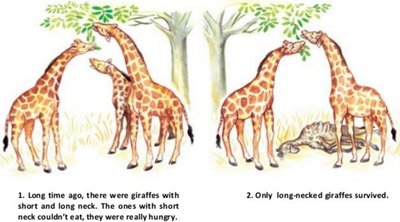
Differential Survival and Reproduction: Individuals with advantageous traits are more likely to survive and reproduce, passing those traits to the next generation.
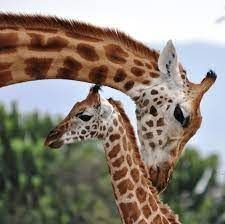
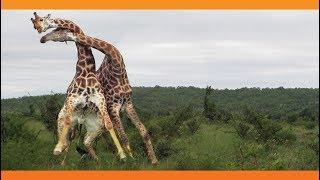
Example: The evolution of long necks in giraffes is a classic example of natural selection, where individuals with longer necks could reach food more easily and thus had higher survival and reproductive success.
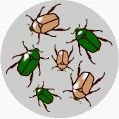
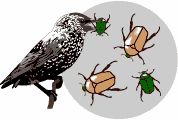
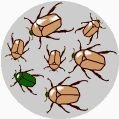
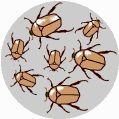
Additional info: Populations, not individuals, evolve over time. Natural selection acts on heritable traits already present in a population, and evolutionary fitness is determined by reproductive success.
Responses to the Environment
Behavioral & Physiological Responses
Organisms respond to environmental changes through behavioral and physiological mechanisms, which help them survive and reproduce in varying conditions.
Behavioral Mechanisms: Includes taxis, kinesis, migration, diurnal/nocturnal activity, and temperature regulation.
Physiological Mechanisms: Includes hibernation, estivation, circadian rhythms, phototropism, and photoperiodism.
Example: Positive taxis, such as trout facing into the river current to catch food.

Taxis and Kinesis
Taxis is directed movement toward or away from a stimulus, while kinesis is undirected movement in response to a stimulus.
Positive Taxis: Movement toward a stimulus (e.g., light, food).
Negative Taxis: Movement away from a stimulus.
Kinesis: Random movement, not directed by the stimulus.
Diurnal and Nocturnal Activity
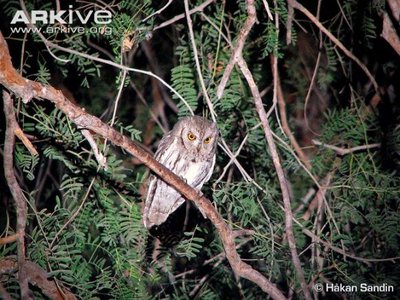
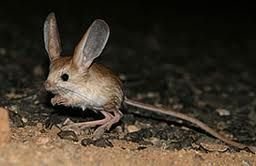
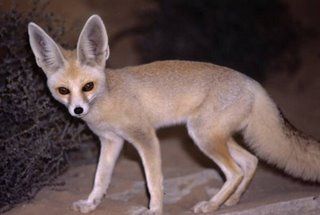
Animals may be active during the day (diurnal) or night (nocturnal), depending on their adaptations and environmental conditions.
Nocturnal: Active at night (e.g., bats, owls, desert animals).
Diurnal: Active during the day (e.g., humans, birds).
Migration
Migration is the long-distance movement of individuals, often seasonal, in response to environmental changes such as temperature, food availability, or mating.
Example: Birds migrating to warmer climates during winter.
Circadian Rhythms
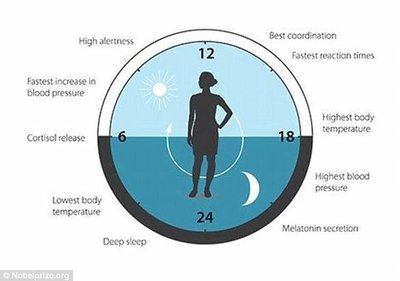
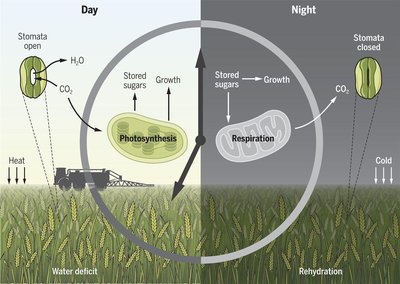
Circadian rhythms are physical, mental, and behavioral changes that follow a 24-hour cycle, regulated by biological clocks.
Example: Melatonin production in humans increases at night, promoting sleep.
Torpor, Hibernation, and Estivation
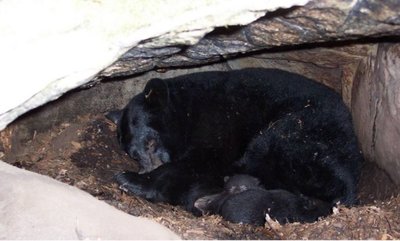
Torpor is a state of reduced activity and metabolism, allowing animals to conserve energy during difficult conditions.
Hibernation: Long-term torpor during winter, characterized by low body temperature and slow metabolism.
Estivation: Summer torpor during periods of high temperature and scarce water.
Daily Torpor: Short-term reduction in activity, often in small mammals and birds.
Phototropism and Photoperiodism
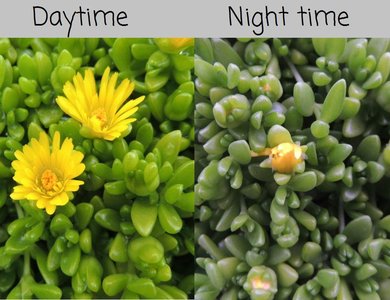
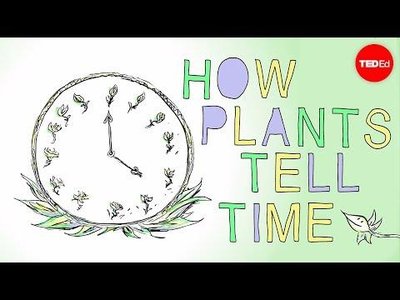
Phototropism is the growth of an organism in response to light, while photoperiodism is the response to changes in the length of day and night, affecting flowering in plants.
Positive Phototropism: Growth toward light, regulated by the hormone auxin.
Photoperiodicity: Plants flower when uninterrupted darkness exceeds or is less than a critical night length.
Example: Short day plants flower when night exceeds a critical length; long day plants flower when night is shorter.
Communication and Information Exchange
Types of Communication
Organisms exchange information in response to internal and external cues, affecting behavior and survival.
Fight or Flight Response: Physiological reaction to threats, involving adrenaline release.
Predator Warnings: Visual, audible, or chemical signals to alert others.
Plant Responses: Release of volatile organic compounds (VOCs) to warn other plants.
Alarm Pheromones: Chemical signals released under stress.
Protection of Young: Behaviors that increase reproductive success.
Courtship/Mating Behaviors: Signals to attract mates.
Signaling Behaviors
Organisms use visual, audible, tactile, electrical, and chemical signals to indicate dominance, find food, establish territory, and ensure reproductive success.
Visual: Flower coloration, territorial markings.
Audible: Bird songs, alarm calls.
Chemical: Pheromones, territorial scent marking.
Tactile: Waggle dance in bees.
Innate vs. Learned Behaviors
Innate Behaviors
Innate behaviors are inherited and performed without prior experience. Fixed action patterns (FAP) are sequences of unlearned behaviors that are continued until completion.
Examples: Suckling in mammals, swimming in whales, nest building, reflexes.
Fixed Action Pattern: Goose retrieving an egg outside the nest.
Learned Behaviors
Learned behaviors result from interactions with the environment and other organisms, including observational learning and avoidance.
Examples: Parent-offspring interactions, learning to forage, courtship rituals.
Cooperative Behaviors
Kin Selection and Altruism
Cooperative behaviors increase the fitness of individuals and populations. Kin selection involves individuals sacrificing for relatives, while altruism benefits the group at the expense of the individual.
Pack Behavior: Wolves hunting together.
Herd, Flock, Schooling: Group defense against predators.
Colony/Swarming: Collective behavior for warmth, foraging, reproduction.
Energy Flow Through Ecosystems
Endotherms vs. Ectotherms
Organisms use different strategies to regulate body temperature and metabolism.
Endotherms: Use metabolic heat to maintain body temperature (e.g., birds, mammals).
Ectotherms: Rely on environmental heat, regulate temperature behaviorally (e.g., reptiles, fish).
Advantages/Disadvantages: Endotherms maintain stable temperatures but require more energy; ectotherms tolerate variation but use less energy.
Metabolic Rate and Body Size
Metabolic rate is the speed at which organisms convert food and oxygen into energy. Larger endotherms have lower metabolic rates per kilogram due to smaller surface area to volume ratios.
Basal Metabolic Rate (BMR): Minimum calories needed for basic functions at rest.
Energy Flow and Trophic Levels
Energy flows in one direction through ecosystems, while matter cycles. Food chains and webs illustrate energy transfer between trophic levels.
Primary Producers: Autotrophs (plants, algae) capture energy from sunlight or inorganic compounds.
Primary Consumers: Herbivores eat producers.
Secondary/Tertiary Consumers: Carnivores and omnivores eat other consumers.
Decomposers: Break down dead organic matter.
Energy Pyramid: Only about 10% of energy is transferred to the next trophic level; 90% is lost as heat.
Trophic Level | Role |
|---|---|
Primary Producers | Autotrophs (plants, algae) |
Primary Consumers | Herbivores |
Secondary Consumers | Carnivores/Omnivores |
Tertiary Consumers | Top-level carnivores |
Decomposers | Break down dead matter |
Formula: Trophic efficiency =
Biogeochemical Cycles
Carbon, Water, Nitrogen, and Phosphorus Cycles
These cycles describe the movement of essential elements through ecosystems.
Carbon Cycle: Carbon moves from the environment to organisms and is used in organic molecules.
Water Cycle: Water is used in photosynthesis and hydrolysis.
Nitrogen Cycle: Nitrogen is converted by bacteria for plant uptake; includes ammonification, nitrogen-fixation, nitrification, and denitrification.
Phosphorus Cycle: Phosphorus is used in nucleic acids, phospholipids, and ATP; cycles slowly in Earth's crust.
Population Ecology
Population Growth Dynamics
Population growth depends on birth and death rates, immigration, and emigration. Exponential growth occurs when resources are unlimited, but logistic growth is more realistic due to resource constraints.
Exponential Growth:
Logistic Growth:
Carrying Capacity (K): Maximum population size an environment can support.
Density-Dependent and Density-Independent Factors
Population size is limited by factors that depend on density (competition, predation, disease) and those that do not (weather, pollution, natural disasters).
r-Selected vs. K-Selected Species
r-Selected: Fast growth, many offspring, unstable environments.
K-Selected: Slow growth, few high-quality offspring, stable environments.
Community Ecology
Species Interactions
Communities are groups of different species interacting in the same area. Interactions include competition, predation, resource partitioning, and symbiosis.
Interspecific Competition: Different species compete for resources.
Intraspecific Competition: Same species compete for resources.
Competitive Exclusion Principle: No two species can occupy the same niche indefinitely.
Resource Partitioning: Species divide resources to avoid competition.
Predator-Prey Relationships
Predator and prey populations cycle in response to each other's abundance. Prey develop defensive adaptations such as cryptic coloration, aposematic coloration, Batesian and Müllerian mimicry.
Symbiotic Relationships
Mutualism: Both species benefit.
Commensalism: One benefits, other unaffected.
Parasitism: One benefits, other harmed.
Species Diversity
Species diversity includes richness (number of species) and relative abundance (proportion of each species). Simpson's Diversity Index measures community diversity:
Dominant Species: Most abundant.
Keystone Species: Exert strong control on community structure.
Foundation Species: Dramatically alter their environment.
Trophic Cascades
Trophic cascades occur when predators limit prey density, enhancing survival of lower trophic levels. Example: Wolves in Yellowstone control elk, allowing aspen and willow to regrow.
Ecological Succession
Succession is the sequence of community changes after a disturbance. Primary succession starts on bare rock; secondary succession occurs where soil remains.
Climax Community: Stable, balanced community reached after succession.
Biodiversity and Disruptions to Ecosystems
Biodiversity
Biodiversity includes genetic, species, and ecosystem diversity. Greater diversity increases resilience to environmental changes.
Keystone Species and Ecosystem Stability
Keystone species play critical roles in maintaining ecosystem structure. Their removal can cause ecosystem collapse.
Human Impact and Ecological Disruptions
Human activities disrupt ecosystems through habitat loss, invasive species, population growth, pollution, over-exploitation, and climate change (HIPPCO).
Habitat Loss: Deforestation, monoculture, coral reef destruction.
Invasive Species: Outcompete native species, cause population declines.
Pollution: Biological amplification, eutrophication.
Over-exploitation: Unsustainable resource use.
Climate Change: Alters temperature, precipitation, and ecosystem distribution.
Additional info: Adaptation to climate change depends on genetic diversity; new diseases can devastate native species. Geological and meteorological events (El Niño, continental drift, meteor impacts) also affect ecosystems.
----------------------------------------
