 Back
BackEcology: Cycles, Biodiversity, Succession, and Human Impact
Study Guide - Smart Notes
 Tailored notes based on your materials, expanded with key definitions, examples, and context.
Ecology: Cycles, Biodiversity, Succession, and Human Impact
Energy Flow vs. Matter Cycling in Ecosystems
Energy and matter behave differently within ecosystems. Energy flows in one direction, entering as sunlight and leaving as heat, while matter (such as nutrients) is recycled through biogeochemical cycles.
Energy Flow: Requires constant replenishment from the sun; moves through trophic levels and dissipates as heat.
Matter Cycling: Elements like carbon, nitrogen, and phosphorus are continually recycled between biotic and abiotic reservoirs.
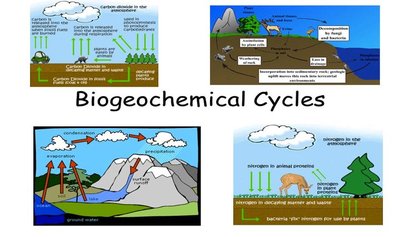
Nutrient (Biogeochemical) Cycles
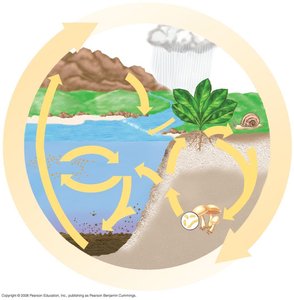
A nutrient cycle (biogeochemical cycle) describes how elements are recycled in ecosystems. Matter moves between reservoirs (such as atmosphere, soil, water, and living organisms) and changes chemical forms.
Reservoir: A location where a nutrient is stored (e.g., atmosphere, ocean, soil).
Transformation: Nutrients change forms via biological, chemical, and geological processes.
Carbon Cycle
Overview of the Carbon Cycle
The carbon cycle tracks the movement of carbon atoms through the environment. Carbon is essential for all four macromolecules: carbohydrates, lipids, proteins, and nucleic acids.
Respiration: Animals release CO2 into the atmosphere.
Photosynthesis: Plants absorb CO2 and convert it to oxygen.
Combustion: Burning fossil fuels releases CO2.
Decomposition: Decomposers break down organic material, releasing CO2 into air, soil, and water.
Volcanic Activity: Volcanoes emit CO2 during eruptions.
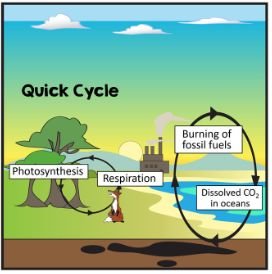
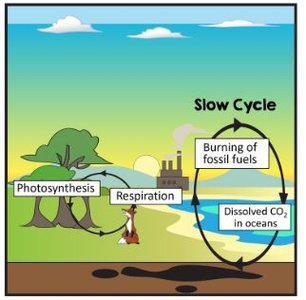
Quick and Slow Carbon Cycles
Carbon is recycled through two main cycles:
Quick Cycle: Carbon moves rapidly between atmosphere and living organisms via photosynthesis and respiration.
Slow Cycle: Carbon is stored in oceans and fossil fuels, released slowly through geological processes and human activities.
Nitrogen Cycle
Overview of the Nitrogen Cycle
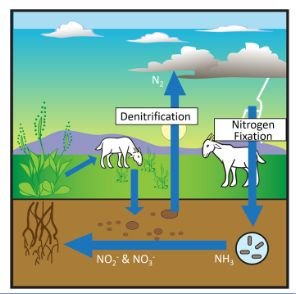
The nitrogen cycle describes the transformation and movement of nitrogen through the environment. Nitrogen is a key component of amino acids and nucleic acids.
Nitrogen Fixation: Bacteria convert atmospheric N2 into ammonia (NH3).
Nitrification: Ammonia is converted to nitrite (NO2-) and nitrate (NO3-).
Assimilation: Plants absorb nitrate and incorporate it into organic molecules.
Ammonification: Decomposers convert organic nitrogen back to ammonia.
Denitrification: Bacteria convert nitrate back to N2, returning it to the atmosphere.
Nitrogen Reservoirs and Transformation
Atmosphere: Largest reservoir, but N2 is unusable by most organisms due to its triple bond.
Soil, Oceans, Living Things: Other reservoirs for usable forms of nitrogen.
Bacterial Enzymes: Enable conversion of N2 to ammonia and other forms.
Phosphorus Cycle
Overview of the Phosphorus Cycle
The phosphorus cycle involves the movement of phosphorus, a major component of nucleic acids, phospholipids, and ATP. Unlike carbon and nitrogen, phosphorus does not cycle through the atmosphere.
Reservoirs: Sedimentary rocks, oceans, organisms.
Phosphate (PO43-): Most important inorganic form.
Movement: Phosphate binds to soil particles; movement is localized.
Processes: Weathering, plant uptake, consumption, decomposition, runoff, sedimentation.
Biodiversity and Ecosystem Composition
What is Biodiversity?
Biodiversity is the variety of living things in an ecosystem. It includes species diversity, genetic diversity, and ecosystem diversity.
Species Diversity: Number of different species in an area.
Genetic Diversity: Variation of genes within a species.
Ecosystem Diversity: Variety of ecosystems in a region.
Importance of Biodiversity
Provides more food and habitats.
Increases ecosystem resilience to environmental changes.
Helps maintain balance and stability in ecosystems.
Ecosystem Composition
Dominant Species: Most abundant or highest biomass.
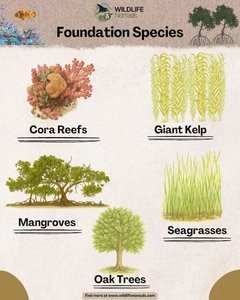
Foundation Species: Form the basis of an ecosystem; may also be dominant.
Keystone Species: Species on which other species depend; removal causes drastic ecosystem changes.
Invasive Species and Ecosystem Change
Impact of Invasive Species
Invasive species are artificially introduced and often outcompete native populations due to lack of natural limiting factors. This can dramatically reduce biodiversity.
Rapid population growth.
Native predators may not recognize invasive species as prey.
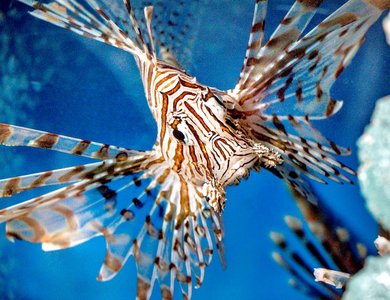
Example: Lionfish introduced to Florida coasts, spreading rapidly and impacting native fish populations.
Ecological Succession
Primary Succession
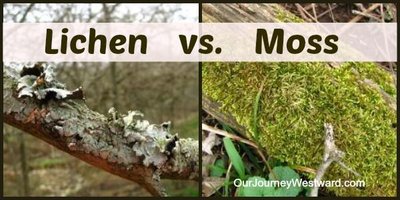
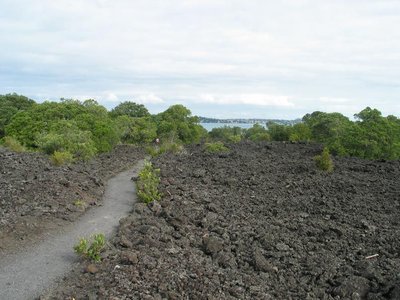
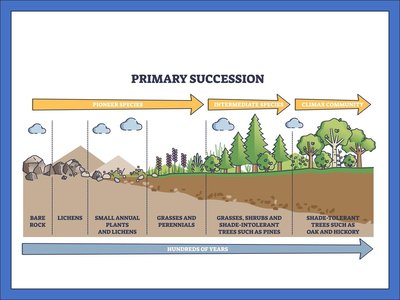
Primary succession occurs in areas where soil has not previously existed, such as after lava flows or glacial retreat. Pioneer species like lichens and mosses break down rock to form soil, followed by grasses and other plants.
Starts with bare rock.
Pioneer species (lichens, mosses) initiate soil formation.
Gradual development of plant communities.
Secondary Succession
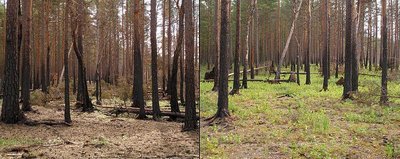
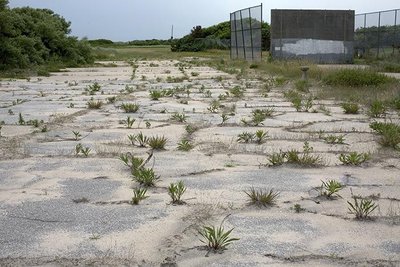
Secondary succession occurs after disturbances like fires, floods, or human activity, where soil remains intact. It proceeds more quickly than primary succession.
Soil is already present.
Pioneer species are grasses and perennials.
Intermediate and climax communities develop over time.
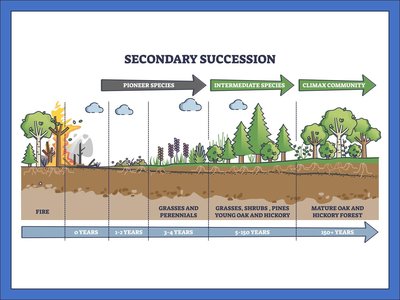
Climax Community
A climax community is a stable plant community thought to be the final stage of succession. However, it may differ from the original community before disturbance, and environmental impacts can be long-lasting.
Human Impact on Ecosystems
Human Activities Affecting Ecosystems
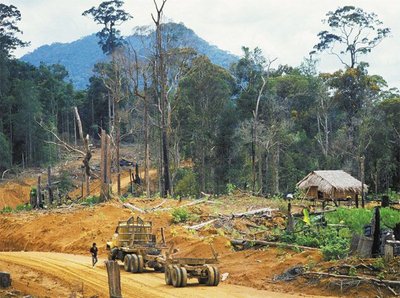
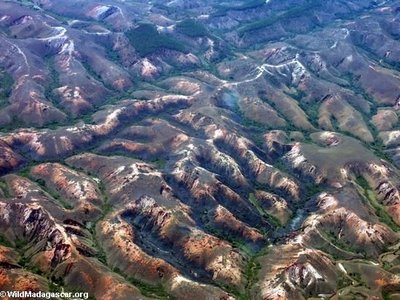
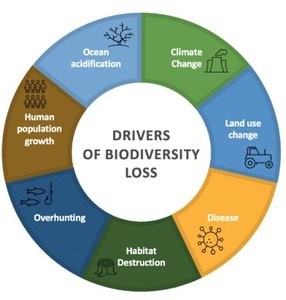
Human activities have reduced the environment's capacity to support life, causing habitat destruction, chemical pollution, eutrophication, introduction of invasive species, overexploitation, and climate change.
Habitat Destruction: Deforestation, coral reef destruction, construction, pollution, radiation.
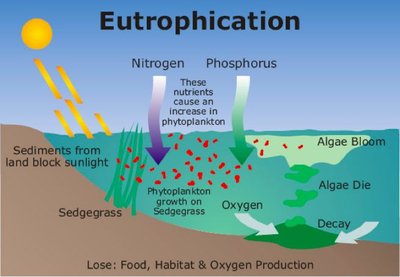
Eutrophication: Over-fertilization of water bodies leads to algal blooms, oxygen depletion, and ecosystem collapse.
Overexploitation: Harvesting resources beyond sustainable limits.
Climate Change: Rising temperatures, sea levels, changing precipitation, ocean acidification.
Eutrophication
Eutrophication occurs when excess nutrients (nitrogen, phosphorus) cause rapid plant and algal growth, followed by die-off and oxygen depletion.
Overexploitation and Climate Change
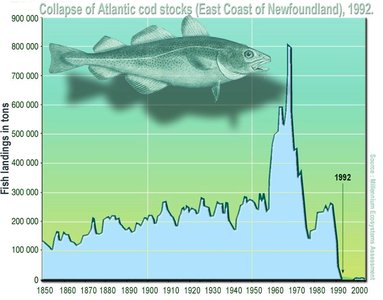
Overharvesting leads to resource depletion (e.g., fish stocks).
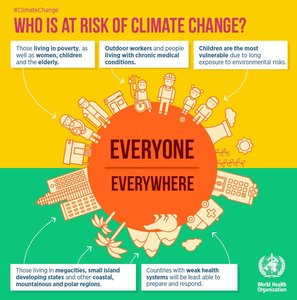
Climate change impacts include increased temperatures, sea level rise, melting ice, altered precipitation, and ocean acidification.
Summary Table: Biogeochemical Cycles
Cycle | Main Reservoirs | Key Processes | Biological Importance |
|---|---|---|---|
Carbon | Atmosphere, oceans, fossil fuels, living organisms | Photosynthesis, respiration, combustion, decomposition | All macromolecules |
Nitrogen | Atmosphere, soil, oceans, organisms | Nitrogen fixation, nitrification, assimilation, ammonification, denitrification | Amino acids, nucleic acids |
Phosphorus | Rocks, soil, oceans, organisms | Weathering, plant uptake, consumption, decomposition, sedimentation | Nucleic acids, phospholipids, ATP |
Key Equations
Photosynthesis:
Cellular Respiration:
Nitrogen Fixation:
Nitrification:
Denitrification:
Conclusion
Understanding biogeochemical cycles, biodiversity, succession, and human impact is essential for maintaining ecosystem health and resilience. Human activities can disrupt these natural processes, but informed actions can help preserve biodiversity and ecosystem function.
