 Back
Ecosystem Ecology, Community Dynamics, and Conservation Biology
Study Guide - Smart Notes
 Tailored notes based on your materials, expanded with key definitions, examples, and context.
Ecosystem Ecology, Community Dynamics, and Conservation Biology
How to Study for Biology Exams
Effective study strategies are essential for mastering biology concepts. Science-based learning methods can significantly improve retention and understanding.
Spaced Practice: Distribute study sessions over time rather than cramming.
Retrieval Practice: Practice recalling information from memory instead of just rereading notes.
Hand-writing Notes: Writing by hand enhances memory retention compared to typing.
Utilize Resources: Practice exams, review sessions, tutoring centers, and online tools can reinforce learning.
Community Ecology
Food Webs
Most biological communities are structured as complex food webs rather than simple, linear food chains. Food webs illustrate the interconnected feeding relationships among organisms in an ecosystem.
Omnivores: Animals that consume both producers (plants) and consumers (animals) at different trophic levels.
Decomposers: Organisms that break down dead organic matter, recycling nutrients back into the ecosystem.
Species Diversity in Communities
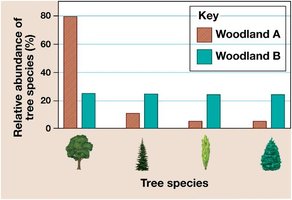
Species diversity describes the variety of species in a community and is determined by two main components:
Species Richness: The number of different species present.
Relative Abundance: The proportional representation of each species in the community.
Both components are important for understanding community structure and stability.
Keystone Species
A keystone species is one whose impact on its community is disproportionately large relative to its abundance or biomass. Keystone species play critical roles in maintaining the structure and health of their ecosystems.
Examples: Sea stars in intertidal zones and beavers that modify habitats by building dams.
Disturbances and Succession in Communities
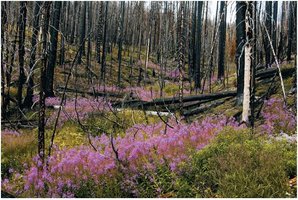
Disturbances are events that damage biological communities by destroying organisms and altering resource availability. Examples include storms, fires, floods, and droughts. Some disturbances can create new habitats and increase diversity.
Ecological Succession
Ecological succession is the process by which species colonize and replace one another in a disturbed area.
Primary Succession: Occurs in lifeless areas with no soil (e.g., cooled lava flows, glacial rubble).
Secondary Succession: Occurs where a disturbance has destroyed a community but left the soil intact (e.g., after a fire).
Ecosystem Ecology
Energy Flow and Chemical Cycling
An ecosystem includes all the living organisms (community) in an area and the abiotic factors (energy, soil, air, water). Ecosystem dynamics are driven by the flow of energy and the cycling of chemicals.
Energy Flow: The passage of energy through the ecosystem, primarily entering as sunlight and leaving as heat.
Chemical Cycling: The recycling of elements like carbon and nitrogen between biotic and abiotic components.
Primary Production
Primary production is the rate at which producers (plants, algae, cyanobacteria) convert solar energy into chemical energy (organic compounds). Only about 1% of incoming solar energy is captured by photosynthesis.
Biomass: The total mass of living organic material in an ecosystem.
Net Primary Production (NPP): The energy stored in producers and available to consumers.
Ecological Pyramids
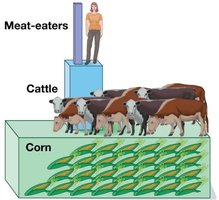
Energy transfer between trophic levels is inefficient, with only about 10% of energy passed to the next level. This limits the number of trophic levels and the abundance of top-level consumers.
Energy Pyramid: Illustrates the cumulative loss of energy at each trophic level.
Ecosystem Energetics and Human Resource Use
Human food production is subject to the same energy flow constraints as natural ecosystems. Producing meat is less energy-efficient than producing plant-based foods, as energy is lost at each trophic level.
Chemical Cycling in Ecosystems
Life depends on the recycling of essential elements. Decomposers play a key role in breaking down dead organisms and returning nutrients to the environment.
Biogeochemical Cycles
Biogeochemical cycles involve the movement of elements between living (biotic) and nonliving (abiotic) reservoirs. Major cycles include:
Carbon Cycle: Involves atmospheric CO2, photosynthesis, respiration, fossil fuels, and oceanic reservoirs.
Phosphorus Cycle: Lacks an atmospheric component; phosphorus cycles through soil, water, and living organisms.
Nitrogen Cycle: Involves atmospheric N2, soil, and the action of bacteria to make nitrogen available to plants.
Nutrient Pollution
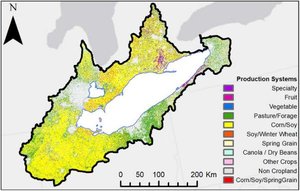
Excess nitrogen and phosphorus from fertilizers and animal waste can cause algal blooms in aquatic ecosystems, leading to oxygen depletion and "dead zones."
Conservation Biology and Restoration Ecology
Conservation Biology
Conservation biology is a goal-oriented science focused on understanding and countering the loss of biodiversity. It involves protecting endangered species, preserving habitats, and maintaining ecosystem services.
Biodiversity Hot Spots
Biodiversity hot spots are regions with high concentrations of endemic and threatened species. Protecting these areas is a priority for conservation efforts.
Invasive Species and Community Disruption
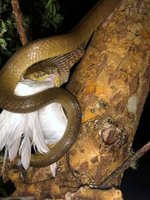
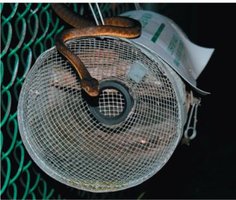
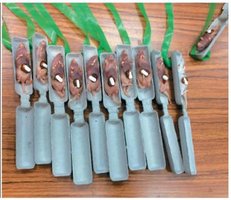
Invasive species can dramatically alter community structure and ecosystem function. For example, the introduction of brown tree snakes to Guam led to the extinction of many native birds and lizards.
Restoration Ecology
Restoration ecology applies ecological principles to restore degraded ecosystems. Techniques include bioremediation (using organisms to detoxify environments) and large-scale habitat restoration projects.
Example: The Kissimmee River restoration in Florida, which returned wetlands and wildlife to a previously canalized river system.
Sustainable Development
Sustainable development aims to meet current human needs without compromising the ability of future generations to meet theirs. It requires integrating ecological knowledge with social, economic, and political action to conserve biodiversity and ecosystem services.

Additional info: This guide covers key concepts in ecosystem ecology, community dynamics, and conservation biology, providing a foundation for understanding how human activities impact the biosphere and how science-based solutions can promote sustainability.
