 Back
Ecosystem Ecology: Nutrient Cycling, Climate Change, and Biodiversity
Study Guide - Smart Notes
 Tailored notes based on your materials, expanded with key definitions, examples, and context.
Ecosystem Ecology
Introduction to Ecosystem Ecology
Ecosystem ecology examines the movement of energy and nutrients through living (biotic) and non-living (abiotic) components of the environment. It focuses on how these flows sustain life, regulate ecosystem processes, and respond to environmental changes.
Nutrient Cycling in Ecosystems
Essential Nutrients and Their Movement
Nutrients are elements required for metabolism, growth, and reproduction, including carbon, nitrogen, phosphorus, sulfur, and calcium. These nutrients cycle between biotic and abiotic reservoirs, ensuring ecosystem productivity and stability.
Biogeochemical cycle: The path an element takes as it moves from abiotic systems (e.g., soil, water, atmosphere) through trophic levels (producers, consumers, decomposers) and back again.
Reservoirs: Storage areas for elements (e.g., atmosphere, soil, water, living organisms).
Flow: Processes that move elements between reservoirs (e.g., photosynthesis, decomposition).
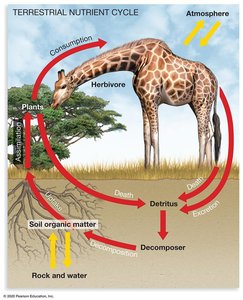
Steps in the Terrestrial Nutrient Cycle
Uptake: Plants absorb nutrients from the soil and assimilate them into tissues.
Consumption: Herbivores and other consumers eat plants, incorporating nutrients into their own bodies.
Decomposition: Decomposers (e.g., fungi, bacteria) break down detritus (dead organic matter), releasing nutrients back into the soil.
Inorganic Conversion: Decomposition eventually converts nutrients back to inorganic forms, making them available for uptake again.
Decomposition and Rate of Nutrient Cycling
The rate of decomposition limits how quickly nutrients cycle through an ecosystem. Several factors influence this rate:
Abiotic conditions: Temperature, oxygen availability, and precipitation affect decomposition speed.
Quality of detritus: Some organic matter is easier for decomposers to digest than others.
Abundance and diversity of detritivores: More and varied decomposers increase decomposition rates.
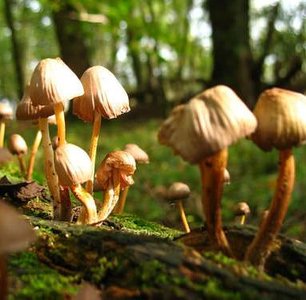
Latitude and Decomposition Rates
Decomposition rates are highest at the equator (0° latitude) due to warm temperatures and high moisture, which favor decomposer activity. Rates decrease toward the poles due to colder, drier conditions.
Reason 1: Higher temperatures at the equator speed up metabolic processes in decomposers.
Reason 2: Greater precipitation supports more abundant and diverse decomposer communities.
Global Biogeochemical Cycles
The Water Cycle
The water cycle describes the continuous movement of water among reservoirs such as oceans, ice caps, rivers, lakes, groundwater, and the atmosphere.
Largest reservoir: Oceans (97.5% of Earth's water, mostly saltwater).
Freshwater reservoirs: Ice caps and glaciers (2.5%), rivers, lakes, and groundwater (0.5%).
Groundwater: Water stored underground in aquifers, crucial for human and ecosystem use.
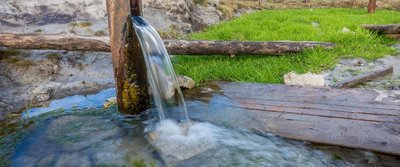
Human impacts: Land use changes (e.g., concrete, agriculture) and water consumption deplete groundwater, reduce infiltration, and increase runoff. About 40% of the global population faces insufficient water resources.
The Nitrogen Cycle
Nitrogen is essential for proteins and nucleic acids. The atmosphere is the largest nitrogen reservoir (78% N2), but most organisms cannot use N2 directly.
Nitrogen fixation: Conversion of N2 to ammonium (NH4+) by bacteria, making nitrogen available to plants.
Assimilation: Plants absorb NH4+ and NO3- for growth.
Decomposition: Organic nitrogen returns to the soil as ammonium.
Denitrification: Conversion of nitrate back to N2 gas by bacteria, returning nitrogen to the atmosphere.
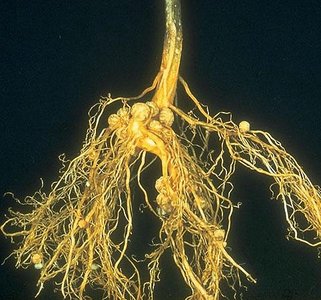
Human impacts: Fertilizer use increases nitrogen in ecosystems, often causing eutrophication (nutrient over-enrichment of water bodies).
The Carbon Cycle
Carbon cycles between the atmosphere, living organisms, oceans, and rocks. It is fundamental to all organic molecules.
Largest reservoir: Rocks and sediment, with significant storage in oceans.
Photosynthesis: Removes CO2 from the atmosphere, storing it in plant tissue.
Cellular respiration: Releases CO2 back to the atmosphere.
Anthropogenic effects: Burning fossil fuels increases atmospheric CO2, driving climate change.
Current CO2 concentration: 422.1 ppm (parts per million).
Climate Change: Effects and Species Responses
Direct and Indirect Effects of Climate Change
Climate change, driven by increased greenhouse gases, has both direct and indirect effects on ecosystems:
Direct effects: Increased temperatures, altered precipitation patterns, melting ice, and rising sea levels.
Indirect effects: Changes in disturbance regimes (e.g., fires, storms), altered species interactions, and shifts in ecosystem function.
Species Responses to Climate Change
Species can respond to climate change in several ways:
Move: Shift their geographic range to track suitable climates.
Adjust: Acclimate or show phenotypic plasticity (e.g., change behavior, timing of life events).
Adapt: Undergo evolutionary changes to survive in new conditions.
Die: Go extinct if unable to respond effectively.
Example: Flowering plants may bloom earlier in response to warming temperatures (shift in phenology).
Biodiversity and Ecosystem Function
Defining Biodiversity
Biodiversity refers to the variety of life at multiple levels of organization. It can be measured in several ways:
Species diversity: The number of species (richness) and their relative abundance (evenness) in a community.
Phylogenetic diversity: The evolutionary distinctiveness of species in a community.
Functional diversity: The range of functional traits (e.g., feeding strategies, habitat use) present in a community.
Comparing Biodiversity Metrics
Type of Diversity | Definition | Example |
|---|---|---|
Species Diversity | Richness and evenness of species | Number and abundance of bird species in a forest |
Phylogenetic Diversity | Evolutionary relationships among species | Presence of distantly related birds vs. closely related ones |
Functional Diversity | Range of ecological roles or traits | Birds with different feeding strategies (insectivores, granivores, etc.) |
Biodiversity and Ecosystem Function
Biodiversity supports ecosystem function by enhancing productivity, stability, and resilience. Different species contribute unique roles, and higher diversity often leads to more efficient resource use and greater resistance to disturbances.
Case Study: Bird Diversity in Human-Dominated Landscapes
Researchers compare bird communities in a rural dairy farm and a suburban botanical garden. They assess species richness, evenness, phylogenetic diversity, and functional diversity to understand how human land use affects biodiversity.
Species richness: Number of bird species present.
Species evenness: How evenly individuals are distributed among species.
Phylogenetic diversity: How evolutionarily distinct the species are.
Functional diversity: Diversity of ecological roles among species.
Conclusion: Protecting both functional and phylogenetic diversity is important for maintaining ecosystem services and resilience.
