 Back
Ecosystem Services and Nutrient Cycling: Nitrogen and Carbon Cycles
Study Guide - Smart Notes
 Tailored notes based on your materials, expanded with key definitions, examples, and context.
Ecosystem Services and Nutrient Cycling
Overview of Ecosystem Services
Ecosystem services are the benefits that humans derive from natural ecosystems, including nutrient cycling, water purification, pollination, and climate regulation. These services are essential for maintaining biodiversity and supporting human life.
Nutrient cycling: The movement and exchange of organic and inorganic matter back into the production of living matter.
Carbon cycle: The process by which carbon is exchanged between the biosphere, geosphere, hydrosphere, and atmosphere.
Biosphere 2: A Model Ecosystem
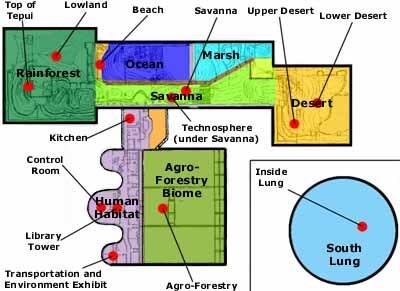
Biosphere 2 is a large-scale experimental facility designed to model Earth's ecosystems and study biogeochemical cycles in a controlled environment. It contains multiple biomes, including rainforest, ocean, marsh, desert, and agroforestry, allowing researchers to investigate nutrient cycling and ecosystem interactions. 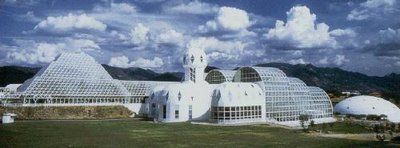
Biogeochemical Cycles
Chemical Cycling in Ecosystems
Biogeochemical cycles involve the movement of elements and compounds through both abiotic (non-living) and biotic (living) components of ecosystems. Key cycles include nitrogen, phosphorus, water, and carbon.
Turnover of nutrients depends on oxygen availability, temperature, water, detritus quality, and detritivore community structure.
Decomposers and detritivores play a crucial role in recycling nutrients.
Nitrogen Cycle: Key Processes and Terms
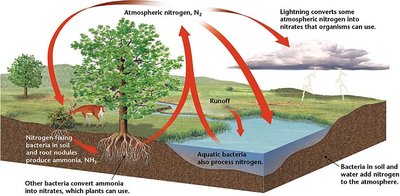
The nitrogen cycle is a complex biogeochemical cycle that describes the movement of nitrogen through the atmosphere, biosphere, and geosphere. Nitrogen is often a limiting nutrient for plants and is included in most fertilizers.
Fixation: Conversion of atmospheric N2 to ammonium (NH4+) by nitrogen-fixing bacteria, lightning, or industrial processes.
Uptake (Assimilation): Plants and microbes take up NH4+ or NO3- and incorporate it into organic molecules.
Mineralization: Decomposers convert organic nitrogen in detritus to NH4+.
Immobilization: Inorganic nitrogen is taken up by decomposers, especially when detritus has a high C:N ratio.
Nitrification: Bacteria and archaea convert NH4+ to nitrate (NO3-), requiring oxygen.
Denitrification: Bacteria in low-oxygen environments convert NO3- to N2 or N2O gas.
Leaching: NO3- is washed out of soil by water.
Nitrogen Limitation in Forest Systems
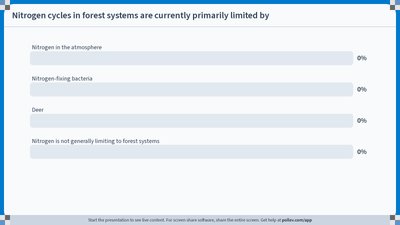
Nitrogen cycles in forest systems are primarily limited by the availability of biologically accessible nitrogen, not by atmospheric nitrogen. Nitrogen-fixing bacteria play a key role in making nitrogen available to plants. 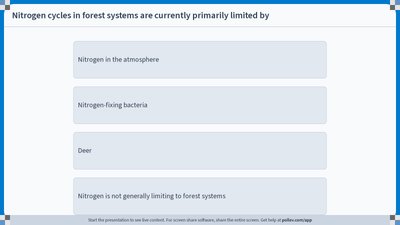
Decomposition and Nutrient Cycling
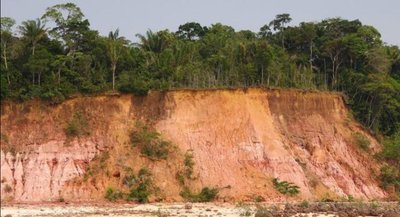
Decomposition rate is a major factor limiting nutrient cycling in ecosystems. Abiotic conditions (temperature, precipitation, oxygen) and detritus quality (C:N ratio) affect how quickly nutrients are released.
Low C:N ratio: N-rich detritus decomposes quickly, releasing nitrogen to the soil.
High C:N ratio: N-poor detritus decomposes slowly, and microbes retain nitrogen.
Earthworms and Nitrogen Retention
Invasive earthworms accelerate decomposition in northern hardwood forests, reducing nitrogen retention in soil and litter. This can impact ecosystem structure and function, including the abundance of other organisms. 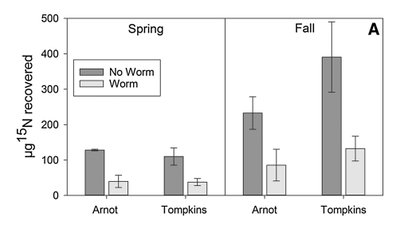
Animal-Mediated Nutrient Movement
Animals can move nutrients across ecosystems. For example, seabirds feed at sea and deposit nitrogen-rich guano on islands, enhancing productivity and nutrient input. The presence or absence of invasive rats can drastically alter these nutrient flows. 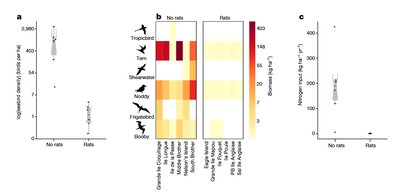

Timing and Effects of Animal Nutrient Inputs
Large animal events, such as wildebeest drownings in the Mara River, provide pulses of nutrients (carbon, nitrogen, phosphorus) to ecosystems. Soft tissue decomposes quickly, while bones release nutrients slowly over years. 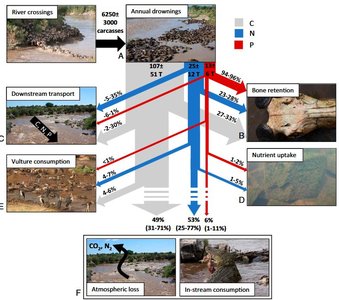

Predation and Nutrient Cycles
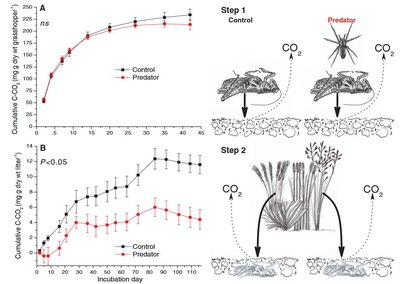
Predators can influence nutrient cycles by altering prey behavior and diet. For example, spiders change grasshopper diets, reducing nitrogen in their bodies and affecting plant decay rates. 
Human Impacts on the Nitrogen Cycle
Human Alteration of Nitrogen Cycling
Humans have drastically changed the nitrogen cycle through agriculture, fertilizer use, and fossil fuel burning. Increased nitrogen often boosts net primary productivity (NPP), but can also cause negative effects such as eutrophication, biodiversity loss, and acidification.
Eutrophication: Excess nutrients in water lead to harmful algal blooms, oxygen depletion, and ecosystem disruption.
Biodiversity loss: Invasive species and altered nutrient pools can outcompete native plants and animals.
Acidification and warming: Increased N2O emissions contribute to climate change.
The Carbon Cycle and Climate Change
Carbon Cycle Overview
The carbon cycle involves the exchange of carbon among the atmosphere, oceans, terrestrial ecosystems, and sediments. Photosynthesis and respiration are key processes that regulate atmospheric CO2 levels.
Reservoirs: Oceans, terrestrial ecosystems, sediments, and the atmosphere.
Greenhouse effect: Atmospheric CO2 traps heat, influencing global climate.
Rising Atmospheric CO2 Levels
Atmospheric CO2 levels are now 34% higher than at any time in the last 800,000 years, rising from ~280 ppm pre-Industrial Revolution to over 420 ppm today. This increase is steeper than during previous mass extinction events and is a major driver of climate change. Equation:
Summary Table: Nitrogen Cycle Key Terms
Term | What Happens | Who/Where |
|---|---|---|
Fixation | N2 gas → NH4+ | N-fixing bacteria (soil, root nodules), lightning, industry |
Uptake (Assimilation) | NH4+ or NO3- taken up and built into organic N | Plants, microbes |
Mineralization | Organic N in detritus → NH4+ | Decomposers |
Immobilization | Inorganic N taken into microbial bodies | Decomposers (especially on high C:N detritus) |
Nitrification | NH4+ → NO3- | Bacteria and archaea; needs O2 |
Denitrification | NO3- → N2 or N2O gas | Bacteria in low-O2 soils, wetlands, sediments |
Leaching | NO3- washed out of soil by water | Physical process (rain, irrigation) |
Additional info: Academic context was added to clarify the role of decomposers, detritivores, and human impacts on nutrient cycles, as well as to provide definitions and examples for key terms and processes.
