 Back
BackEcosystems and Energy: Dynamics, Productivity, and Nutrient Cycling
Study Guide - Smart Notes
 Tailored notes based on your materials, expanded with key definitions, examples, and context.
Chapter 42: Ecosystems and Energy
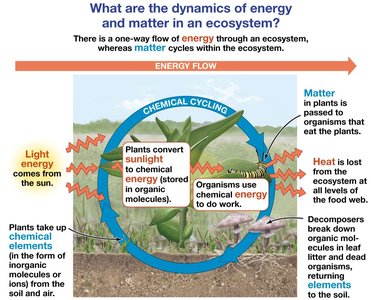
What Are the Dynamics of Energy and Matter in an Ecosystem?
Ecosystems are dynamic systems where energy flows in one direction—from the sun through living organisms and eventually lost as heat—while matter cycles continuously among biotic and abiotic components. Understanding these dynamics is fundamental to ecology.
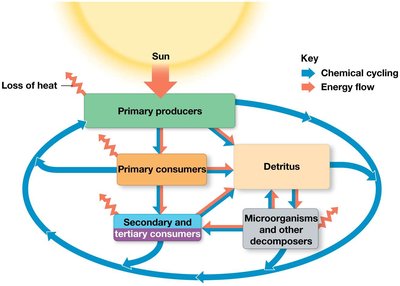
Energy Flow: Light energy from the sun is converted to chemical energy by plants (autotrophs) and used by organisms to perform work. Energy is lost as heat at each trophic level, increasing the entropy of the universe.
Matter Cycling: Chemical elements are taken up by plants as inorganic molecules or ions from the soil and air, passed to consumers, and returned to the environment by decomposers.
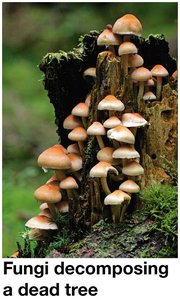
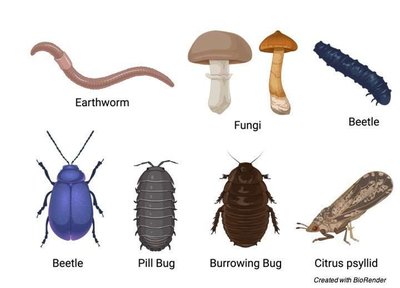
Decomposers: Organisms such as fungi and bacteria break down dead organic matter, recycling nutrients back into the ecosystem.
Physical Laws Governing Energy Flow and Chemical Cycling
Energy and matter transformations in ecosystems are governed by the laws of thermodynamics and conservation of mass. These principles apply to all scales, from large forests to microcosms like a desert spring.
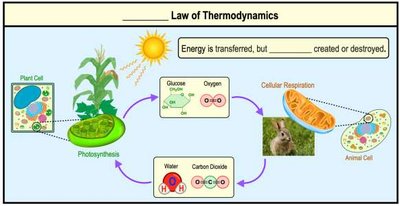
First Law of Thermodynamics: Energy cannot be created or destroyed, only transferred or transformed. Autotrophs convert solar energy to chemical energy, but the total energy remains constant.
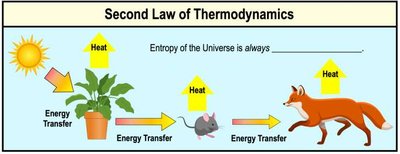
Second Law of Thermodynamics: Every energy transfer increases the entropy (disorder) of the universe. Energy conversions are inefficient, and some energy is always lost as heat.
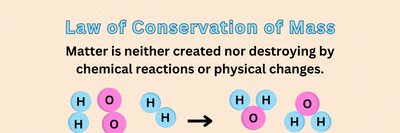
Conservation of Mass: Matter cannot be created or destroyed. Elements are recycled within ecosystems, but can be gained or lost through processes such as leaching, wind, or water movement.
Open Systems: Ecosystems absorb energy and mass and release heat and waste, making them open systems.
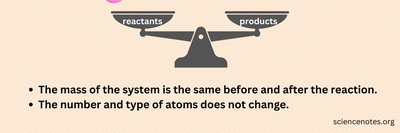
Energy, Mass, and Trophic Levels
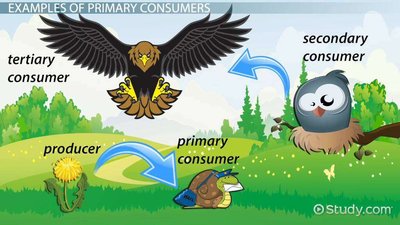
Ecologists classify organisms into trophic levels based on their feeding relationships. Energy and nutrients move through these levels, from primary producers to various consumers and decomposers.
Primary Producers (Autotrophs): Organisms that produce organic molecules from inorganic substances, mainly through photosynthesis or chemosynthesis.
Primary Consumers: Herbivores that eat primary producers.
Secondary and Tertiary Consumers: Carnivores that eat herbivores and other carnivores, respectively.
Detritivores (Decomposers): Heterotrophs that obtain energy from detritus (dead organic matter), playing a crucial role in recycling nutrients.
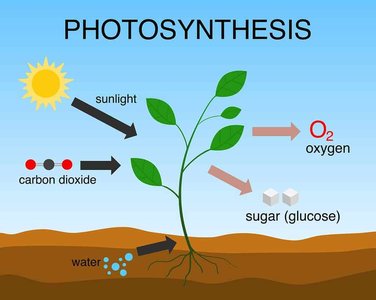
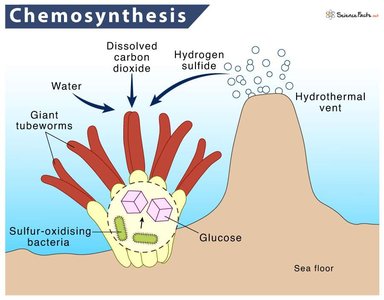
Primary Production in Ecosystems
Primary Production and Limiting Factors
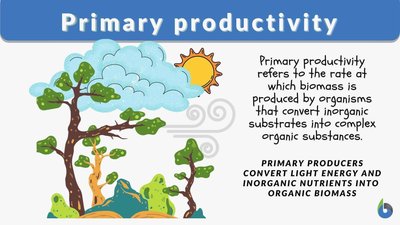
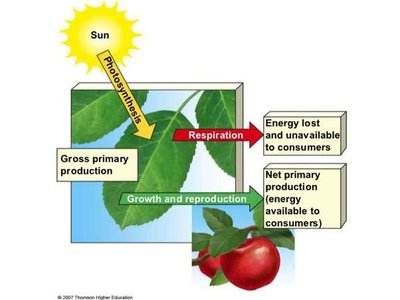
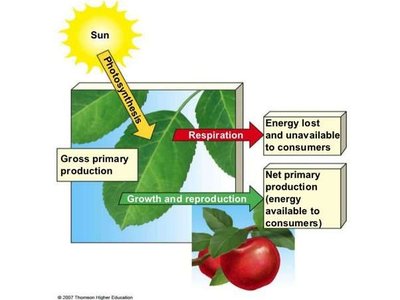
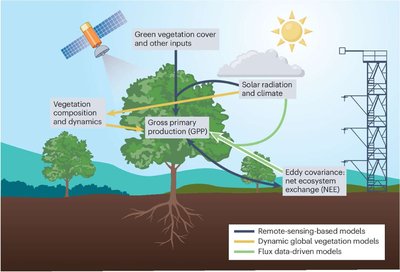
Primary production is the amount of light energy converted to chemical energy by autotrophs in a given period. It is a key measure of ecosystem function and is influenced by various limiting factors.
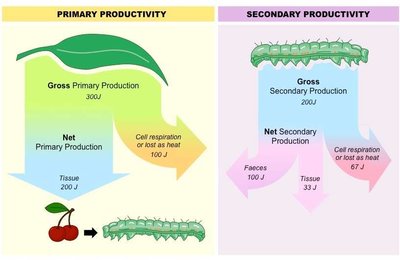
Gross Primary Production (GPP): Total energy captured by autotrophs.
Net Primary Production (NPP): Energy remaining after autotrophs' respiration; available to consumers.
Limiting Factors: Light, temperature, moisture, and nutrients (especially nitrogen and phosphorus) can limit primary production in different ecosystems.
Primary Production in Aquatic and Terrestrial Ecosystems
Different factors limit primary production in aquatic and terrestrial ecosystems.
Aquatic Ecosystems: Light penetration and nutrient availability (especially nitrogen, phosphorus, and sometimes iron) are key limiting factors. Eutrophication can result from nutrient enrichment, leading to algal blooms and oxygen depletion.
Terrestrial Ecosystems: Temperature, moisture, and soil nutrients (mainly nitrogen and phosphorus) are the main limiting factors. Adaptations such as mutualisms with nitrogen-fixing bacteria and mycorrhizal fungi help plants access limiting nutrients.
Effects of Climate Change on Production
Climate change alters temperature and precipitation patterns, affecting net primary production (NPP). It can shift ecosystems from carbon sinks (absorbing more CO2 than they release) to carbon sources (releasing more CO2).
Energy Transfer Between Trophic Levels
Production Efficiency and Trophic Efficiency
Energy transfer between trophic levels is inefficient, with only about 10% of energy passed to the next level. The rest is lost as heat, feces, or used for respiration.
Production Efficiency (PE): The percentage of energy stored in biomass for the next trophic level, excluding energy lost to respiration and feces.
Trophic Efficiency: The percentage of production transferred from one trophic level to the next, typically 5–20% (average ~10%).
Ecological Pyramids: Energy and biomass pyramids visually represent the loss of energy and biomass at each trophic level.
Biogeochemical Cycles
Biological and Geochemical Cycling of Nutrients and Water
Biogeochemical cycles describe the movement of essential elements and water through biotic (living) and abiotic (nonliving) components of ecosystems. Decomposers play a key role in recycling nutrients.
Water Cycle: Involves evaporation, condensation, precipitation, and flow through organisms and the environment.
Carbon Cycle: Involves photosynthesis, respiration, decomposition, and combustion of fossil fuels.
Nitrogen Cycle: Involves nitrogen fixation, nitrification, denitrification, and assimilation by organisms.
Phosphorus Cycle: Involves weathering of rocks, uptake by organisms, and return to the environment through decomposition.
Restoration Ecology
Restoring Degraded Ecosystems
Restoration ecology aims to return degraded ecosystems to a more natural state. Strategies include restoring physical structure, bioremediation (using organisms to detoxify environments), and biological augmentation (adding essential materials or organisms).
Bioremediation: Use of organisms to remove or neutralize pollutants.
Biological Augmentation: Addition of beneficial organisms or nutrients to restore ecosystem function.
Summary Table: Key Biogeochemical Cycles
Cycle | Biological Importance | Main Reservoirs | Key Processes |
|---|---|---|---|
Water | Essential for all life, influences production and decomposition | Oceans, ice caps, lakes, rivers, groundwater, atmosphere | Evaporation, condensation, precipitation, transpiration, flow |
Carbon | Framework of organic molecules | Fossil fuels, soils, oceans, atmosphere, organisms | Photosynthesis, respiration, combustion, decomposition |
Nitrogen | Amino acids, proteins, nucleic acids | Atmosphere, soils, water, organisms | Fixation, nitrification, denitrification, assimilation |
Phosphorus | ATP, nucleic acids, bones, teeth | Rocks, soil, oceans, organisms | Weathering, leaching, assimilation, decomposition |
