 Back
BackEcosystems and Global Ecology: Energy Flow, Productivity, and Nutrient Cycling
Study Guide - Smart Notes
 Tailored notes based on your materials, expanded with key definitions, examples, and context.
Ecosystems and Global Ecology
What is an Ecosystem?
An ecosystem consists of multiple biological communities (biotic components) living in a defined area, interacting with abiotic components such as air, water, climate, and soil. These components are linked by the flow of energy and cycling of nutrients.

Autotrophs: Primary Producers
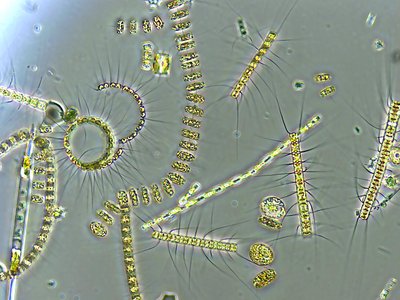
Autotrophs are organisms capable of synthesizing their own food from inorganic sources. They form the foundation of all ecosystems by converting solar energy into chemical energy stored in sugars through photosynthesis.
Primary producers include plants, algae, and some bacteria.
They support all other trophic levels by providing energy and organic matter.
Energy Flow Through Ecosystems
Gross and Net Primary Productivity
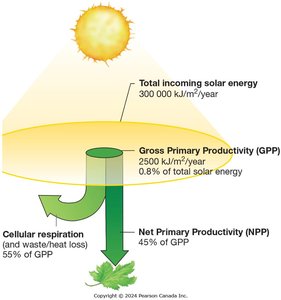
The total chemical energy produced by autotrophs in a given area and time is called gross primary productivity (GPP). However, not all of this energy is available to other organisms:
Cellular respiration: Some energy is used by producers for their own metabolic needs.
Net primary productivity (NPP): The energy remaining after respiration, available to consumers and decomposers as biomass.
The relationship is expressed as:
where is the energy used in cellular respiration.
Efficiency of Autotrophs
Autotrophs are relatively inefficient at capturing solar energy:
Only about 0.8% of incoming sunlight is captured by plants (compared to 22% by solar panels).
Of the GPP, only about 45% is converted into new biomass (NPP); the rest is used for respiration or lost as heat.
Why Are Autotrophs Inefficient?
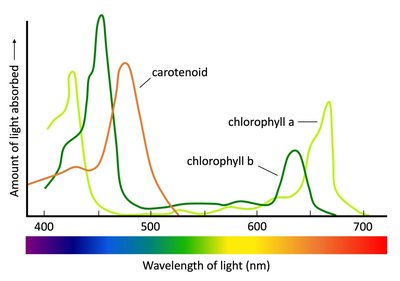
Pigment limitation: Photosynthetic pigments absorb only a fraction of available light wavelengths.
Seasonal variation: Photosynthetic rates drop in winter due to lower temperatures and light availability.
Water stress: In dry conditions, stomata close, reducing photosynthesis.
Energy Flow and Nutrient Cycling
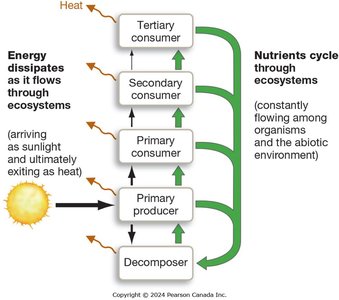
Energy flows through ecosystems in a one-way stream—from primary producers to various consumer levels—while nutrients are recycled.
Energy is lost as heat at each trophic transfer.
Nutrients cycle among organisms and the abiotic environment.
Energy Transfer Between Trophic Levels
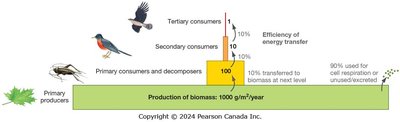
Productivity is measured as the rate of biomass production (g/m2/year). Efficiency is the fraction of biomass transferred from one trophic level to the next, typically around 10% (the "10 percent rule").
Most energy is lost as heat or used for metabolic processes.
Efficiency can vary depending on organism type and environmental conditions.
Variation in Energy Transfer Efficiency
The "10 percent rule" is an average; actual efficiency varies:
Ectotherms (e.g., reptiles, amphibians) are more efficient biomass producers than endotherms (e.g., birds, mammals) because they use less energy for maintaining body temperature.


Biomagnification
Definition and Process
Biomagnification is the process by which certain pollutants become more concentrated at higher trophic levels in a food web. This occurs with molecules that:
Do not break down quickly in the environment (persistent organic pollutants).
Are not easily digested or excreted by organisms.
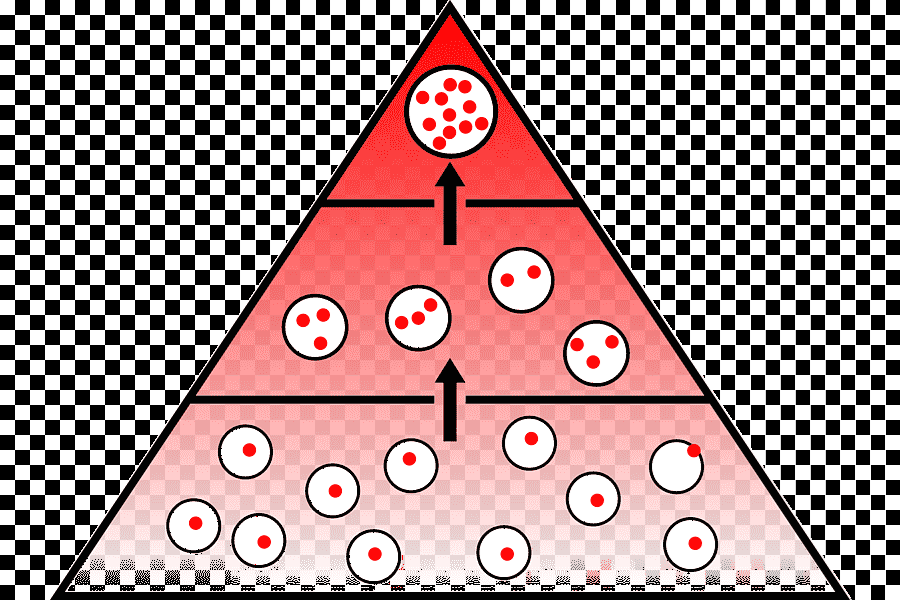
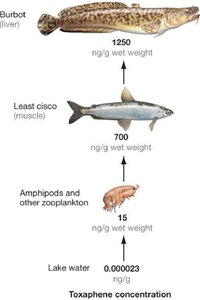
As these pollutants move up the food chain, their concentration increases, posing greater risks to top consumers.
Steps of Biomagnification
Pollutant is taken up by primary producers.
Primary consumers retain all the pollutant but only assimilate a fraction of the biomass, leading to a tenfold increase in concentration.
Secondary consumers repeat the process, further increasing concentration.
Each additional trophic level results in higher pollutant concentration.
Example: Toxaphene
Toxaphene is a persistent insecticide that was widely used in Canada until the 1970s. It remains in the environment and accumulates in food webs, even in regions where it was never applied, such as the Arctic. High concentrations are found in fish and mammals, impacting Inuit communities that rely on these animals for food.
Global Patterns in Productivity
Terrestrial vs. Marine Productivity
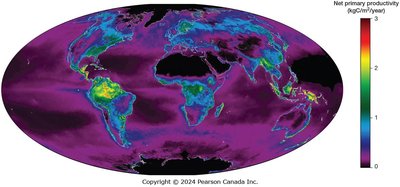
Net primary productivity (NPP) is generally higher on land than in the sea due to greater light availability. Water absorbs light rapidly, limiting photosynthesis in aquatic environments.
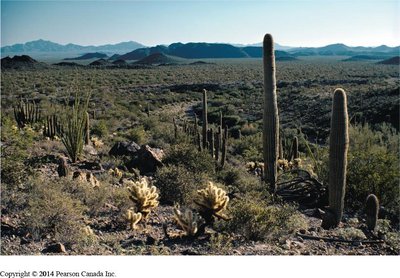
Highest terrestrial productivity is found in tropical regions.
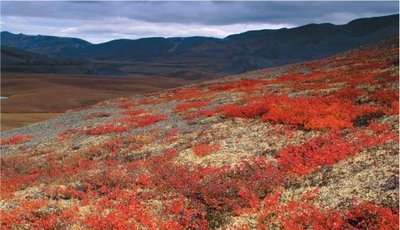
Productivity declines toward the poles and in deserts.
Marine productivity is highest along coastlines due to nutrient upwelling.
Limiting Factors for Productivity
Productivity is limited by any factor that restricts photosynthesis, including:
Temperature
Water availability
Sunlight
Nutrient availability
Different environments have different primary limiting factors.
Nutrient Cycling in Ecosystems
Biogeochemical Cycles
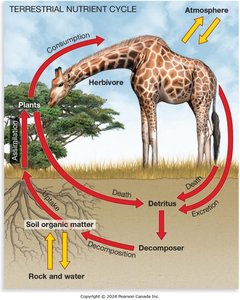
Nutrients move through ecosystems in biogeochemical cycles. Plants take up nutrients from the soil, which are then transferred to consumers and decomposers. Decomposers (bacteria, archaea, fungi) break down organic matter, returning nutrients to the environment.
Factors Controlling Nutrient Cycling Rate
Abiotic conditions: Oxygen availability, temperature, and precipitation affect decomposition rates.
Quality of detritus: The chemical composition of organic matter influences its suitability as a nutrient source for decomposers.
Abundance and diversity of detritivores: More detritivores increase the rate of nutrient cycling.
Decomposition in Boreal Forests
In cold environments like boreal forests, decomposition is slow due to low metabolic rates of decomposers, leading to accumulation of organic matter in the soil.
Miniature Ecosystems: Bromeliads
Bromeliads are epiphytic plants that collect water and nutrients in specialized leaf wells. These wells host complex food webs, including aquatic insects and larvae, which contribute to nutrient cycling within the plant.
Role of Predators in Nutrient Cycling
Predators can influence nutrient cycling by affecting the abundance and activity of detritivores. For example, in bromeliad ecosystems, the presence of predatory insects can increase the availability of nitrogen to the plant by altering the breakdown and movement of nutrients.
Summary Table: Key Concepts in Ecosystem Ecology
Concept | Definition | Example/Application |
|---|---|---|
Gross Primary Productivity (GPP) | Total chemical energy produced by autotrophs | Measured in kJ/m2/year |
Net Primary Productivity (NPP) | Energy available to consumers and decomposers | NPP = GPP - Respiration |
Energy Transfer Efficiency | Fraction of energy transferred between trophic levels | ~10% (varies by organism type) |
Biomagnification | Increase in pollutant concentration at higher trophic levels | Toxaphene in Arctic food webs |
Limiting Factor | Environmental variable that restricts productivity | Light, water, nutrients, temperature |
Biogeochemical Cycle | Cycling of nutrients through biotic and abiotic components | Carbon, nitrogen, phosphorus cycles |
