 Back
Energy and Life: Cellular Energy, Photosynthesis, and Respiration
Study Guide - Smart Notes
 Tailored notes based on your materials, expanded with key definitions, examples, and context.
Energy and Life
Basic Energy Concepts
Energy is fundamental to all biological processes, enabling organisms to perform work and maintain life. The principle of conservation of energy states that energy cannot be created or destroyed, only converted from one form to another. There are two main types of energy:
Kinetic energy: The energy of motion.
Potential energy: Stored energy, such as chemical energy in molecules.
All energy conversions generate some heat, increasing entropy, which is the measure of disorder in a system.
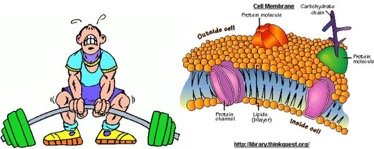
Chemical Energy and ATP
Chemical energy is released by the breakdown of organic molecules during cellular respiration, generating molecules of ATP (adenosine triphosphate) to power cellular work. Cells perform three main kinds of work:
Mechanical work: Movement and contraction.
Transport work: Moving substances across membranes.
Chemical work: Building and breaking down molecules.
ATP is the primary energy carrier in cells. When ATP is hydrolyzed to ADP (adenosine diphosphate) and a phosphate group, energy is released for cellular processes.

Energy Flow in Ecosystems
Producers and Consumers
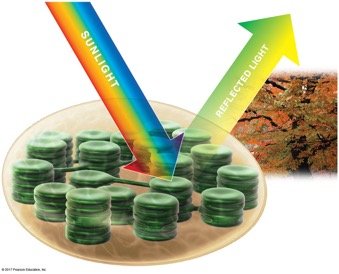
Energy flows through ecosystems via producers and consumers. Producers, or autotrophs, perform photosynthesis, absorbing sunlight and converting it to chemical energy stored in sugars and other organic molecules. Consumers, or heterotrophs, obtain energy by eating producers.
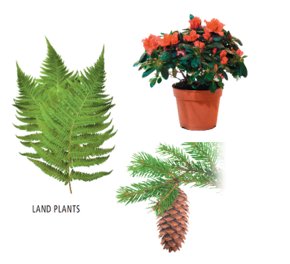
Producers: Plants, algae, and photosynthetic bacteria.
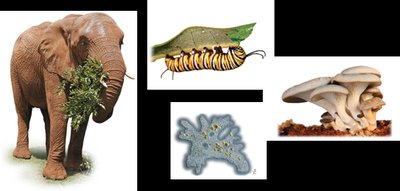
Consumers: Animals, fungi, and other organisms that feed on producers.
Examples of Producers
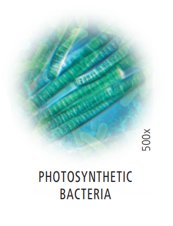
Photosynthetic bacteria: Cyanobacteria are important producers in aquatic environments.
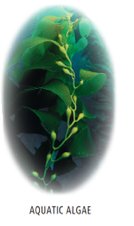
Aquatic algae: Algae contribute significantly to global photosynthesis.
Land plants: Ferns, flowering plants, and conifers are terrestrial producers.
Examples of Consumers
Animals (e.g., elephants, caterpillars)
Fungi (e.g., mushrooms)
Protists (e.g., amoebas)
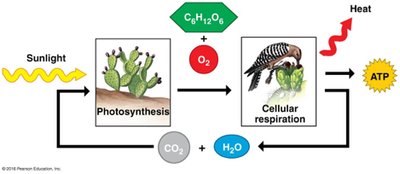
Note: Only producers perform photosynthesis, but both producers and consumers perform cellular respiration.
Cellular Power Stations: Chloroplasts and Mitochondria
Chloroplasts
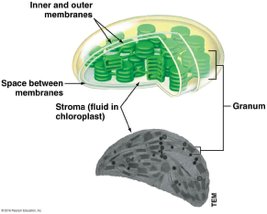
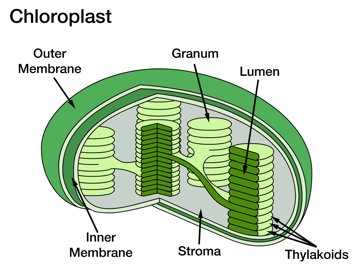
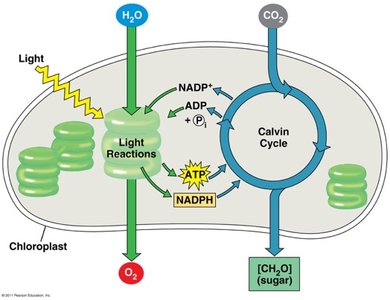
Chloroplasts are the site of photosynthesis in plant cells. They contain internal structures such as thylakoids, grana, and stroma, which are essential for the light reactions and the Calvin cycle.
Mitochondria
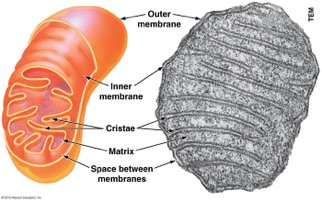
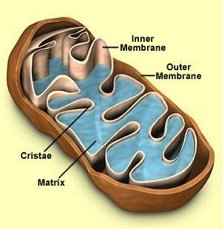
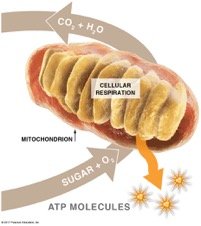
Mitochondria are the "powerhouses" of the cell, responsible for cellular respiration. They have an inner and outer membrane, cristae, and matrix, where different stages of respiration occur.
Photosynthesis
Overview and Equation
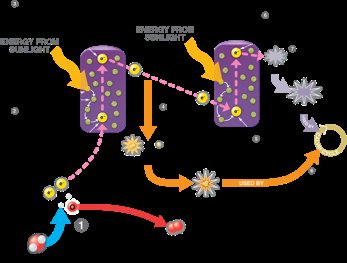
Photosynthesis is the process by which plants, algae, and some bacteria convert light energy, carbon dioxide, and water into glucose and oxygen. The overall equation is:
This is a redox reaction: water is split, and electrons (with hydrogen ions) are transferred to carbon dioxide to form sugar.
Photosynthesis Stages
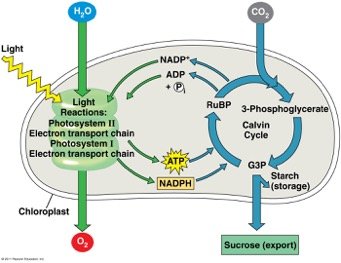
Light Reactions: Occur in the thylakoid membranes; convert light energy to chemical energy (ATP and NADPH).
Calvin Cycle: Occurs in the stroma; uses ATP and NADPH to convert CO2 to sugar (G3P).
Importance of Photosynthesis
Provides glucose for plant respiration and cellulose for structure.
Produces oxygen for global use.
Serves as the primary food source for most ecosystems.
Cellular Respiration
Overview and Equation
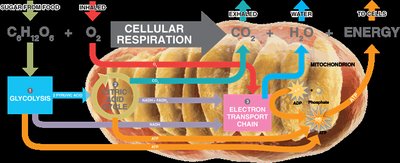
Cellular respiration is the process by which cells harvest energy from food molecules, primarily glucose, using oxygen. The overall equation is:
Stages of Cellular Respiration
Glycolysis: Occurs in the cytoplasm; breaks glucose into pyruvate.
Citric Acid Cycle: Occurs in the mitochondrial matrix; completes the breakdown of glucose.
Electron Transport Chain: Occurs in the inner mitochondrial membrane; produces most ATP.
Aerobic vs. Anaerobic Respiration
Aerobic respiration: Requires oxygen; produces more ATP.
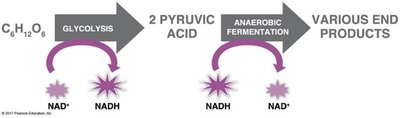
Anaerobic respiration (Fermentation): Occurs without oxygen; produces less ATP and various end products.
Lactic Acid Fermentation
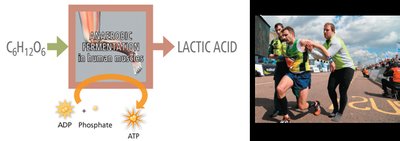
When cells cannot obtain oxygen, such as in human muscle during intense exercise, lactic acid fermentation occurs, producing lactic acid and ATP.
Alcohol Fermentation
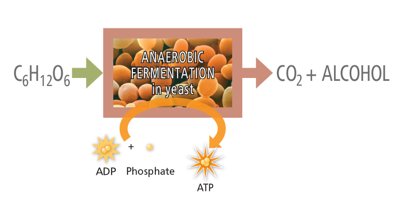
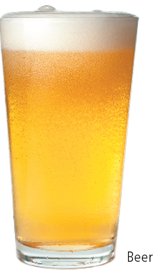
Yeast and some microorganisms perform alcohol fermentation, producing carbon dioxide and ethanol (alcohol).
Energy from Food Molecules
Sources of Energy
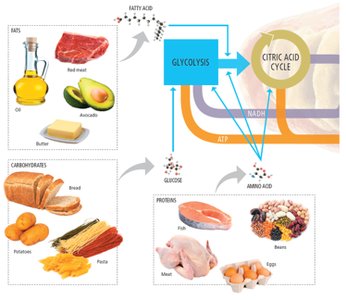
Cells can extract energy from various types of food molecules, including sugars, fats, carbohydrates, and proteins. These molecules feed into cellular respiration at different points.
Calories and Nutrition
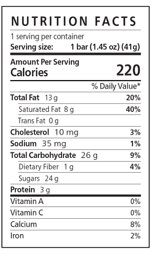
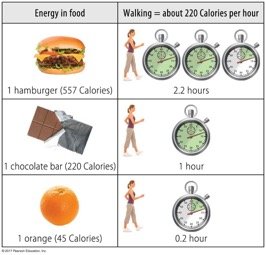
A Calorie is a unit of chemical energy stored in food. Nutrition labels show kilocalories (kcal), which are thousands of Calories. Weight gain or loss depends on the balance of calories consumed and burned.
Food | Calories | Walking Time (220 Cal/hr) |
|---|---|---|
Hamburger | 557 | 2.2 hours |
Chocolate bar | 220 | 1 hour |
Orange | 45 | 0.2 hour |
Example: Nutrition labels and energy expenditure help understand how food energy is used and stored in the body.
Additional info: The notes above expand on brief points with academic context, definitions, and examples to ensure completeness and clarity for General Biology students.
