 Back
Environmental Change and Human Impact in California: An Ecological and Evolutionary Perspective
Study Guide - Smart Notes
 Tailored notes based on your materials, expanded with key definitions, examples, and context.
Environmental Ethics and Human Impact in California
Introduction to Environmental Ethics
Environmental ethics explores the relationship between humans and the natural world, focusing on how cultural values, economic activities, and scientific understanding shape the use and conservation of biological resources. In California, these interactions have led to significant ecological changes, especially since the arrival of European settlers.
Pre-Colonial California: Biodiversity and Indigenous Stewardship
California's Prehistoric Ecosystems
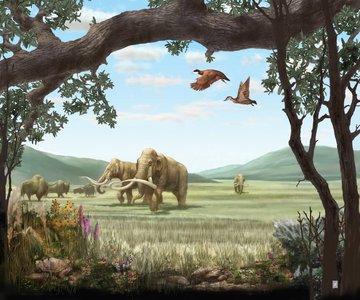
At the end of the last Ice Age, California's landscapes supported a diverse array of megafauna and rich ecosystems. These environments were shaped by both natural processes and the stewardship of Indigenous peoples.
Megafauna: Large mammals such as mammoths, mastodons, and saber-toothed cats roamed the region.
Wetlands and Grasslands: Supported abundant bird and fish populations, as well as herds of grazing animals.
Indigenous Peoples and Environmental Management
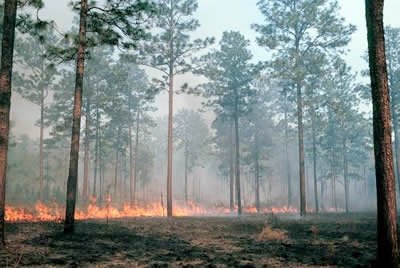
California was home to over 200 tribes, each with distinct languages, cultures, and ecological practices. Indigenous peoples actively managed the land through techniques such as controlled burning, which maintained biodiversity and ecosystem health.
Hunter-Cultivators: Indigenous groups practiced sustainable hunting, fishing, and gathering, often enhancing habitats for key species.
Cultural Burning: Controlled fires were used to clear undergrowth, promote new plant growth, and reduce the risk of large wildfires.
Indigenous Territories and Diversity
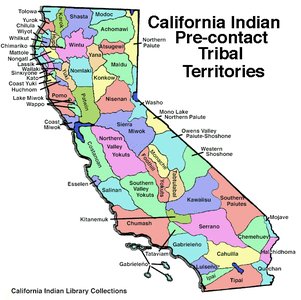
California's Indigenous peoples occupied a mosaic of tribal territories, each adapted to local ecological conditions. This diversity fostered a wide range of environmental knowledge and resource management strategies.
Linguistic Diversity: Over 100 mutually unintelligible languages were spoken.
Ecological Adaptation: Tribes developed specialized techniques for fishing, hunting, and plant cultivation.
Ecological Abundance Prior to European Settlement
Wildlife and Ecosystem Richness
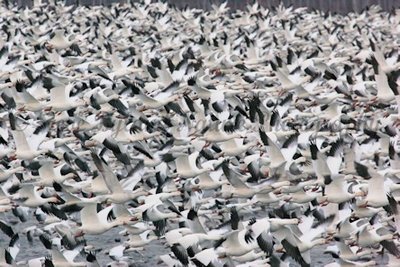
Early European explorers described California as an ecological "Eden," with abundant wildlife and productive ecosystems.
Birds: Millions of ducks and geese migrated through the Central Valley wetlands.
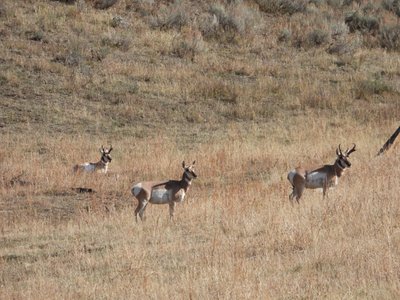
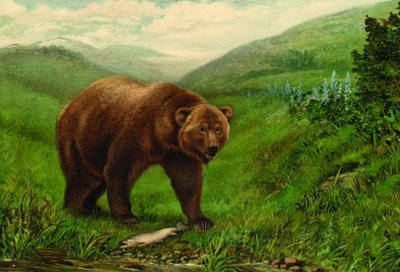
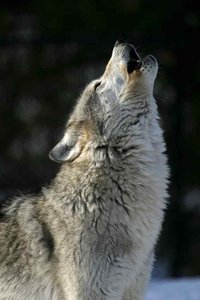
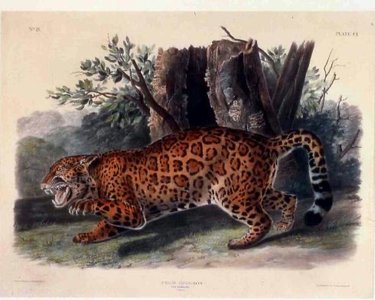
Mammals: Tule elk, pronghorn antelope, grizzly bears, wolves, and even jaguars were common.
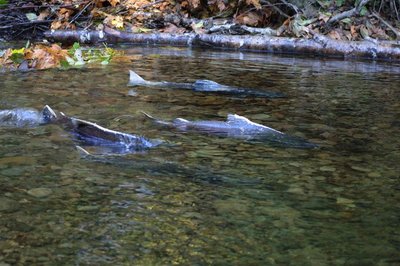
Fish: Salmon, steelhead, and sturgeon thrived in California's rivers.
Marine Life: Sea lions and whales were abundant along the coast.
Environmental Change: Colonization and Exploitation
Spanish and Mexican Periods
The arrival of Spanish colonists in the late 1700s marked the beginning of large-scale environmental change. The mission system and introduction of European agriculture and livestock transformed native ecosystems.
Cattle Grazing: Replacement of native perennial grasses with Mediterranean annuals altered soil and plant communities.
Resource Extraction: Overhunting and habitat conversion led to declines in native species.
American Settlement and the Gold Rush
The influx of American settlers in the 19th century accelerated environmental exploitation. Hydraulic mining, deforestation, and intensive agriculture caused widespread ecological disruption.
Hydraulic Mining: Released mercury and silt into rivers, poisoning aquatic life.
Deforestation: Logging of ancient forests reduced biodiversity and altered hydrology.
Wildlife Decline: Overhunting led to the extinction or near-extinction of species such as the California grizzly bear and tule elk.
Modern Environmental Ethics and Conservation
Preservation, Conservation, and Ecological Ethics
In response to environmental degradation, new ethical frameworks emerged in the late 19th and 20th centuries:
Preservation Ethic: Advocated by figures like John Muir, emphasizing the protection of wilderness for its intrinsic value.
Conservation Ethic: Promoted by Gifford Pinchot and Theodore Roosevelt, focusing on sustainable use of resources for the greatest good.
Ecological/Evolutionary Ethic: Advanced by Aldo Leopold and Rachel Carson, highlighting the interconnectedness of all living things and the importance of ecosystem health.
Cost/Benefit Ethic: Weighs economic benefits against environmental costs in decision-making.
Indigenous Knowledge and Modern Policy
There is growing recognition of the value of Indigenous knowledge in environmental management. Federal guidance now encourages the respectful inclusion of Indigenous perspectives in scientific and policy decisions.
Traditional Ecological Knowledge (TEK): A body of observations, practices, and beliefs developed through long-term interaction with the environment.
Cultural Burning: Modern fire management increasingly incorporates Indigenous burning practices to reduce wildfire risk and restore ecosystem function.
Climate Change and Biodiversity Loss
Greenhouse Gases and Global Warming
Human activities have dramatically increased atmospheric concentrations of greenhouse gases, leading to global warming and climate change.
Major Greenhouse Gases: Carbon dioxide (CO2), methane (CH4), and nitrous oxide (N2O).
CO2 Trends: Atmospheric CO2 has risen from about 280 ppm in 1880 to 425 ppm in 2024.
Temperature Rise: Average global temperature has increased by approximately 1°C since pre-industrial times.
Equation:
Where is the change in temperature, is climate sensitivity, and is radiative forcing (inferred from context).
Impacts of Climate Change
Extreme Weather: More intense droughts and storms.
Glacial Melting: Loss of glaciers and polar ice caps.
Sea Level Rise: Projected to rise 6 inches to 3 feet this century, threatening coastal habitats.
Biodiversity Threats: Increased risk of extinction for many species.
Coral Bleaching: Breakdown of symbiosis between coral and algae due to temperature stress.
Wildfire Frequency and Intensity
California now experiences year-round wildfire risk, driven by climate change, land development, and forest management practices.
Mitigation: Reducing greenhouse gas emissions (e.g., renewable energy, carbon capture).
Adaptation: Adjusting to new environmental realities (e.g., water management, ecosystem restoration).
Resilience: Building capacity to recover from environmental disturbances.
International and National Climate Policy
Paris Agreement (2015): 195 countries agreed to limit warming to 2°C above pre-industrial levels.
IPCC Reports: Provide scientific assessments of climate change, impacts, and mitigation strategies.
National Climate Assessments: Analyze effects of global change on the U.S. environment, economy, and society.
Biodiversity Crisis and Conservation
Global Biodiversity Declines
Recent assessments highlight unprecedented declines in global biodiversity, with 25% of species threatened with extinction and 75% of Earth's land surface significantly altered by human activity.
Drivers of Decline: Habitat loss, overexploitation, pollution, invasive species, and climate change.
Conservation Imperative: Protecting biodiversity is essential for ecosystem services, food security, and human well-being.
Key Conservation Principles
Preserve What We Love: Conservation is driven by understanding, appreciation, and education about the natural world.
Integrative Approaches: Combining scientific, economic, and Indigenous perspectives leads to more effective conservation outcomes.
Additional info: This summary integrates ecological, evolutionary, and conservation biology concepts relevant to the study of human impacts on California's environment, as well as broader themes in climate change and biodiversity loss.
