 Back
BackEnzymes and Cellular Energy: Thermodynamics, Function, and Regulation
Study Guide - Smart Notes
 Tailored notes based on your materials, expanded with key definitions, examples, and context.
Enzymes and Cellular Energy
Introduction to Enzymes
Enzymes are biological catalysts essential for accelerating chemical reactions in living cells. They are primarily composed of proteins and are highly specific to the reactions they catalyze.
Definition: Enzymes are protein molecules that lower the activation energy required for biochemical reactions, thereby increasing the reaction rate.
Structure: The three-dimensional structure of an enzyme determines its specificity for substrates.
Example: Digestive enzymes such as amylase and protease facilitate the breakdown of food molecules.
Thermodynamics in Biological Systems
The First Law of Thermodynamics
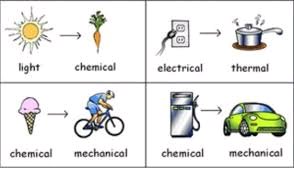
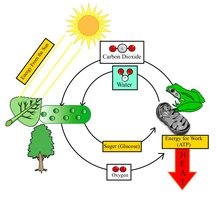
The first law, also known as the law of energy conservation, states that energy cannot be created or destroyed, only transferred or transformed. In biological systems, this means that cells must obtain energy from their environment and convert it into usable forms.
Application: Cells convert energy through processes such as photosynthesis and cellular respiration.
Potential vs. Kinetic Energy
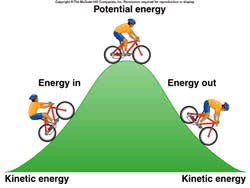
Energy exists in two main forms: potential (stored) and kinetic (motion). Biological systems constantly convert between these forms to perform work.
Potential Energy: Stored in chemical bonds or as positional energy.
Kinetic Energy: Energy of movement, such as molecules in motion.
Energy Conversion in Cells
Cells convert energy through metabolic pathways, including photosynthesis and cellular respiration, to sustain life.
Photosynthesis: Converts solar energy into chemical energy (glucose).
Cellular Respiration: Converts chemical energy from food into ATP, the energy currency of the cell.
The Second Law of Thermodynamics and Entropy
The Second Law of Thermodynamics
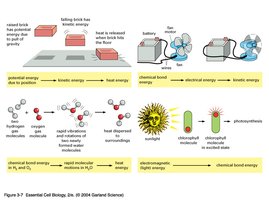
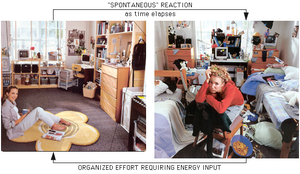
This law states that every energy transfer increases the entropy (disorder) of the universe. In biological systems, some energy is always lost as heat, making processes less efficient.
Entropy: A measure of disorder or randomness in a system.
Biological Implication: Cells must constantly obtain energy to maintain order and function.

Free Energy and Chemical Reactions
Exergonic and Endergonic Reactions
Chemical reactions in cells are classified based on their energy changes:
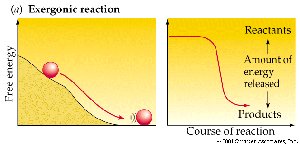
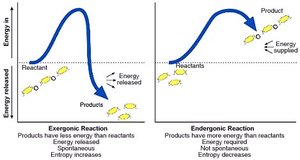
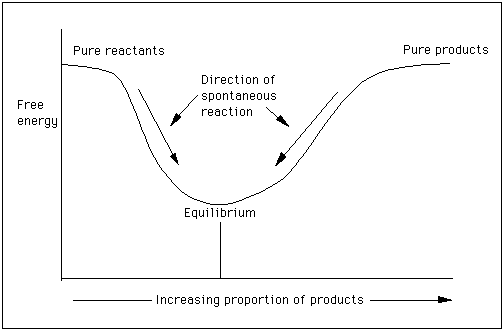
Exergonic Reactions: Release free energy (negative ΔG), occur spontaneously (e.g., cellular respiration).
Endergonic Reactions: Require input of energy (positive ΔG), do not occur spontaneously (e.g., photosynthesis).
Free Energy Change (ΔG)
The change in free energy determines whether a reaction is spontaneous. A negative ΔG indicates a spontaneous process, while a positive ΔG requires energy input.
Equilibrium: The state of maximum stability where no net change occurs in the system.
ATP: The Energy Currency of the Cell
Structure and Function of ATP
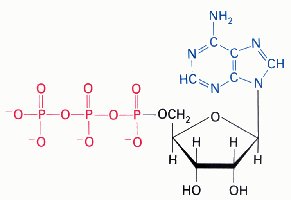
ATP (adenosine triphosphate) is the primary energy carrier in cells. It couples exergonic and endergonic reactions, allowing cells to perform work.
Structure: Composed of adenine, ribose, and three phosphate groups.
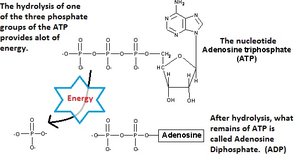
Hydrolysis: Breaking the terminal phosphate bond releases energy (about 7.3 kcal/mol).
ATP and Enzyme Function: Phosphorylation
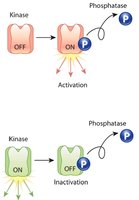
Enzymes use the energy from ATP hydrolysis to drive endergonic reactions. The transfer of a phosphate group from ATP to a protein (phosphorylation) acts as a molecular switch to regulate enzyme activity.
Phosphorylation: Addition of a phosphate group to a molecule, often activating or deactivating enzymes.
Enzyme Structure and Function
How Enzymes Work
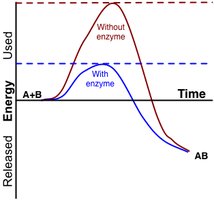
Enzymes lower the activation energy required for reactions, increasing the rate without being consumed in the process. They do not change the overall energy balance of the reaction.
Activation Energy: The energy barrier that must be overcome for a reaction to proceed.
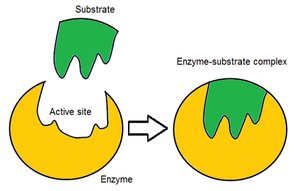
Specificity: Determined by the enzyme's three-dimensional structure and the shape of its active site.
Enzyme-Substrate Interaction
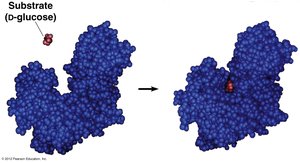
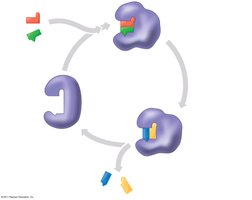
Enzymes bind substrates at their active sites, forming an enzyme-substrate complex. The induced-fit model describes how the enzyme changes shape to better fit the substrate.
Substrate: The specific reactant that an enzyme acts upon.
Induced Fit: The enzyme adjusts its shape to bind the substrate more effectively.
Factors Affecting Enzyme Activity
Temperature and pH
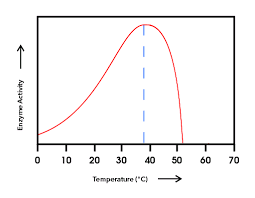
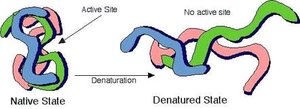
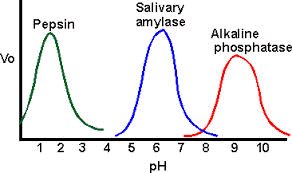
Enzyme activity is highly sensitive to environmental conditions. Each enzyme has an optimal temperature and pH at which it functions most efficiently. Deviations can lead to denaturation and loss of function.
Temperature: Low temperatures reduce molecular collisions; high temperatures can denature enzymes.
pH: Extreme pH values can disrupt the enzyme's structure and active site.
Effect of Heavy Metals
Heavy metals such as arsenic, cadmium, iron, lead, and mercury can bind to enzymes, altering their structure and inhibiting their activity. The higher the concentration, the greater the inhibition.
Mechanism: Heavy metals often bind to sulfhydryl groups, disrupting enzyme function.
Cofactors and Coenzymes
Role of Cofactors and Coenzymes
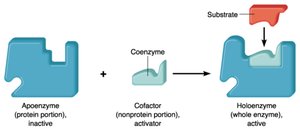
Many enzymes require non-protein helpers to function. Inorganic cofactors (e.g., Zn, Fe, Cu) and organic coenzymes (e.g., vitamins) assist in enzyme activity by stabilizing the active site or participating in the reaction.
Apoenzyme: The inactive protein portion of an enzyme.
Holoenzyme: The active enzyme with its cofactor or coenzyme bound.
Enzyme Inhibition
Types of Enzyme Inhibitors
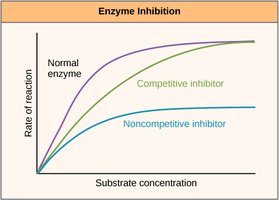
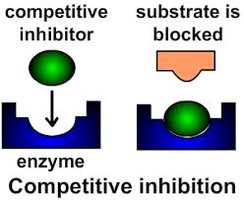
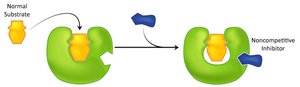
Enzyme inhibitors are chemicals that reduce or block enzyme activity. They can be classified as competitive or noncompetitive based on their mechanism of action.
Competitive Inhibitors: Bind to the active site, blocking substrate binding.
Noncompetitive Inhibitors: Bind to an allosteric site, changing the enzyme's shape and reducing activity.
Applications and Implications of Enzyme Inhibitors
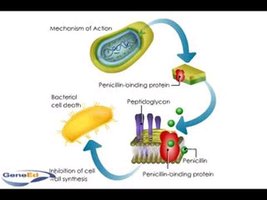
Many drugs, antibiotics, and pesticides act as enzyme inhibitors. While they can be beneficial (e.g., antibiotics targeting bacterial enzymes), they can also have harmful effects (e.g., pesticides causing irreversible inhibition in non-target organisms).
Antibiotics: Penicillin inhibits bacterial cell wall synthesis enzymes.
Pesticides: Irreversibly inhibit enzymes involved in nerve transmission in insects.
Drugs: Ibuprofen inhibits enzymes involved in inflammation.
Summary Table: Types of Enzyme Inhibition
Type | Binding Site | Effect on Enzyme | Reversibility | Example |
|---|---|---|---|---|
Competitive | Active site | Blocks substrate binding | Usually reversible | Methotrexate (cancer drug) |
Noncompetitive | Allosteric site | Changes enzyme shape | Can be reversible or irreversible | Heavy metals, some pesticides |
