 Back
Epigenetics and Eukaryotic Gene Regulation: Mechanisms, Environmental Influence, and Evolutionary Implications
Study Guide - Smart Notes
 Tailored notes based on your materials, expanded with key definitions, examples, and context.
An Introduction to Eukaryotic Gene Regulation & Epigenetics
Epigenetics: Definition and Core Concepts
Epigenetics is the study of heritable changes in phenotype or gene expression that do not involve alterations in the DNA nucleotide sequence. These changes are mediated by chemical modifications to DNA and histone proteins, affecting how genes are turned on or off without changing the underlying genetic code.
Epigenetic modifications include DNA methylation and histone modification.
Phenotype can be altered by epigenetic changes, even if the genotype remains unchanged.
Transgenerational inheritance of epigenetic marks is possible, meaning these changes can be passed to offspring.
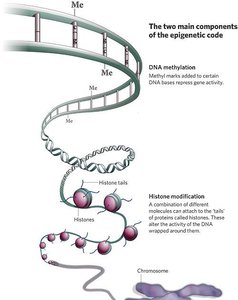
DNA Methylation: Mechanism and Consequences
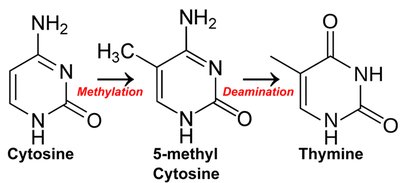
DNA methylation involves the addition of methyl groups to cytosine bases in DNA, typically at CpG sites. This modification can repress gene activity and is a key mechanism in epigenetic regulation.
5-methylcytosine can spontaneously deaminate to form thymine, potentially leading to genetic variation over time.
DNA methylation is often associated with gene silencing.
Histone Modification
Histone proteins, around which DNA is wrapped, can be chemically modified (e.g., acetylation, methylation). These modifications alter chromatin structure and influence gene expression.
Acetylation of histones generally activates gene expression.
Methylation of histones can either activate or repress gene expression, depending on the context.
Environmental Influence on Epigenetic Regulation
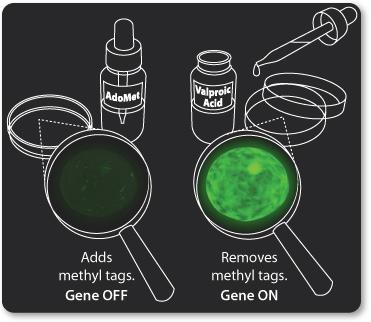
The environment can directly affect gene expression through epigenetic mechanisms. Experiments with Green Fluorescent Protein (GFP) genes in cultured cells demonstrate how compounds can modulate gene activity.
AdoMet (S-adenosylmethionine), a methyl donor, decreases GFP output by adding methyl tags and silencing genes.
Valproic acid, a mood stabilizer, increases GFP output by removing methyl tags and activating genes.
Diet and Epigenetic Regulation
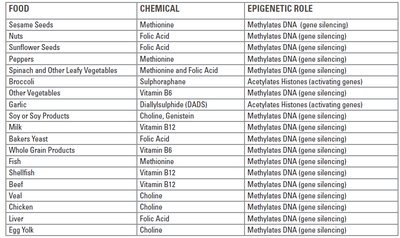
Dietary components can influence epigenetic marks, affecting gene expression and phenotype. Foods rich in methyl donors (e.g., folic acid, choline, methionine) can promote DNA methylation and gene silencing.
Epigenetic roles of food chemicals include methylating DNA or histones, leading to gene silencing or activation.
Dietary supplements can counteract environmental toxins (e.g., Bisphenol A) by restoring normal methylation patterns.
Food | Chemical | Epigenetic Role |
|---|---|---|
Sesame Seeds | Methionine | Methylates DNA (gene silencing) |
Nuts | Folic Acid | Methylates DNA (gene silencing) |
Sunflower Seeds | Folic Acid | Methylates DNA (gene silencing) |
Pappers | Methionine | Methylates DNA (gene silencing) |
Spinach and Other Leafy Vegetables | Methionine and Folic Acid | Methylates DNA (gene silencing) |
Broccoli | Sulphoraphane | Acetylates Histones (activating genes) |
Garlic | Diallylsulphide (DADS) | Acetylates Histones (activating genes) |
Other Vegetables | Vitamin B6 | Methylates DNA (gene silencing) |
Soy or Soy Products | Choline, Genistein | Methylates DNA (gene silencing) |
Milk | Vitamin B12 | Methylates DNA (gene silencing) |
Bakers Yeast | Folic Acid | Methylates DNA (gene silencing) |
Whole Grain Products | Folic Acid | Methylates DNA (gene silencing) |
Fish | Methionine | Methylates DNA (gene silencing) |
Shellfish | Vitamin B12 | Methylates DNA (gene silencing) |
Beef | Choline | Methylates DNA (gene silencing) |
Chicken | Choline | Methylates DNA (gene silencing) |
Liver | Folic Acid | Methylates DNA (gene silencing) |
Egg Yolk | Choline | Methylates DNA (gene silencing) |
Ecological Epigenetics and Evolution
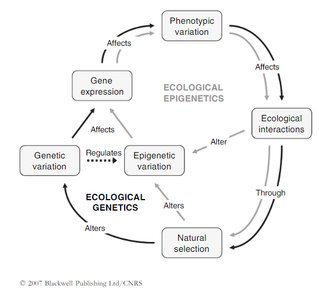
Epigenetic variation can be influenced by ecological interactions and may provide an accelerated pathway for evolutionary change. Epigenetic processes may act as a second inheritance system, allowing evolution by natural selection to operate on non-genetic variation.
Epigenetic marks can be altered by environmental factors, such as diet, stress, or toxins.
These changes can affect gene expression and phenotype, sometimes across generations.
Case Study: Dutch Hunger Winter
Prenatal exposure to famine during the Dutch Hunger Winter (1944-1945) resulted in lasting epigenetic differences in individuals conceived during this period. These individuals showed reduced methylation of the IGF2 gene, impaired glucose tolerance, raised blood pressure, and higher rates of obesity decades later.
Environmental stress during development can have lifelong epigenetic effects.
Epigenetic changes may contribute to disease susceptibility.

Epigenetics in Animal Development: Queen Bees
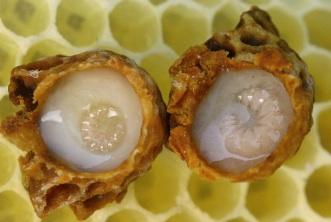
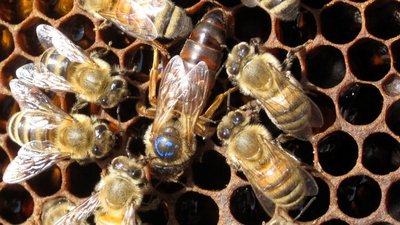
Queen bees and worker bees are genetically identical, but their development is determined by epigenetic regulation. Queen bees are raised in "Queen Cups" full of royal jelly, which silences the Dnmt3 gene, preventing genome-wide gene silencing and allowing queens to develop functional ovaries and larger abdomens.
Diet (royal jelly) silences a gene that would otherwise repress gene expression.
Epigenetic regulation determines caste differentiation in bees.
Epigenetic Regulation of Coat Color in Mice
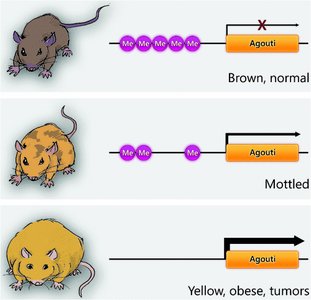
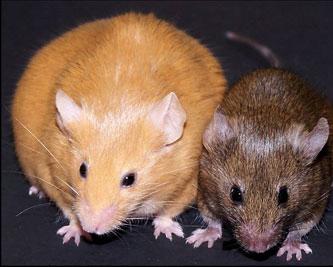
Differential methylation upstream of the agouti gene causes phenotypic variation in coat color in mice. This epigenetic variation is transgenerationally heritable.
High methylation silences the agouti gene, resulting in brown, normal mice.
Intermediate methylation leads to mottled coat color.
Low methylation activates the agouti gene, resulting in yellow, obese mice prone to tumors.
Effects of Bisphenol A (BPA) and Maternal Diet
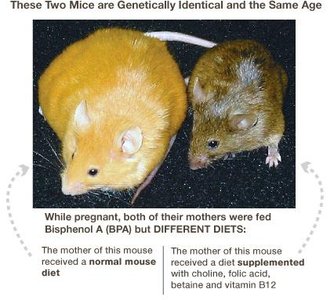
Maternal exposure to BPA decreases CpG methylation upstream of the agouti gene, causing a higher proportion of yellow, obese offspring. Dietary supplements high in methyl donors (choline, folic acid, betaine, vitamin B12) can negate the effects of BPA, restoring normal methylation and phenotype.
Epigenetic effects of environmental toxins can be mitigated by diet.
Genetically identical mice can have different phenotypes due to epigenetic regulation.
Epigenetics and Behavior
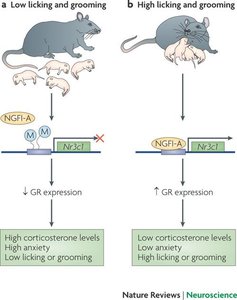
Epigenetic marks added to DNA through life experience may prepare an animal or its offspring for future events. For example, maternal care in rodents affects the methylation of genes involved in stress response, influencing behavior and physiology.
High maternal licking and grooming increases GR expression, lowers anxiety, and reduces stress hormone levels.
Low maternal care leads to reduced GR expression, higher anxiety, and elevated stress hormones.
Summary and Evolutionary Implications
The epigenome is a mechanism by which the environment interacts directly with genes to alter phenotypes. Epigenetic modifications may be transgenerationally heritable and can serve as a non-genetic substrate for evolution, providing additional pathways for adaptation and natural selection.
Epigenetic regulation bridges the gap between nature and nurture.
Environmental factors, diet, and behavior can all influence gene expression through epigenetic mechanisms.
Epigenetic variation can contribute to evolutionary change and disease susceptibility.
Key Equations
DNA methylation reaction:
Deamination reaction:
Additional info: Epigenetic mechanisms are increasingly recognized as important contributors to gene regulation, development, and evolution, and are a major focus of modern biological research.
