 Back
Equine Anatomy, Digestion, Nutrition, and Health: Study Notes for General Biology
Study Guide - Smart Notes
 Tailored notes based on your materials, expanded with key definitions, examples, and context.
Anatomy and Digestion in Horses
Digestive System Overview
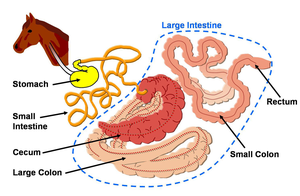
Horses possess a unique digestive system adapted for processing fibrous plant material. Their gastrointestinal tract includes specialized regions for enzymatic and microbial digestion. - Small Intestine: Site of protein and non-structural carbohydrate (CHO) digestion via enzymes. - Hindgut Fermentation: Occurs in the cecum and large colon, where structural CHOs are broken down by microbes. - Volatile Fatty Acid (VFA) Production: VFAs are produced during microbial fermentation and serve as a major energy source. - Gas Colic: Excess intake of non-structural CHOs can lead to gas accumulation and colic, a serious digestive upset. 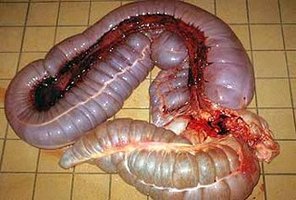
Microbial Fermentation
The hindgut is essential for fermenting structural carbohydrates (fiber), producing VFAs, and supporting overall health. - Structural CHOs: Includes cellulose and hemicellulose, digested by microbes. - Energy: VFAs are absorbed and used for energy.
Equine Nutrition
Dietary Components
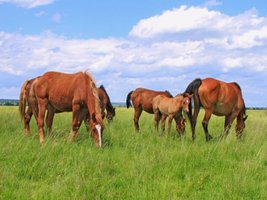
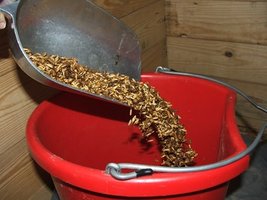
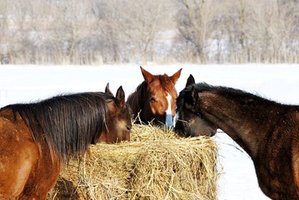
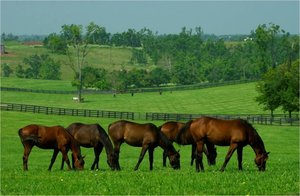
Horses require a balance of roughages and concentrates to maintain health and performance. - Roughages: Pasture and hay; high in fiber, low in protein. - Concentrates: Grains; high in starch and protein. Should not exceed 50% of diet or 1% of body weight (BW). 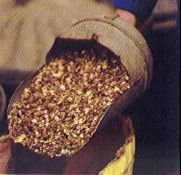
Nutrient Requirements
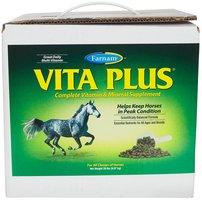
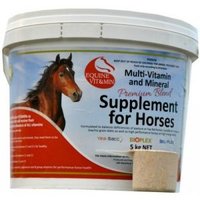
Horses at maintenance require total intake of about 2% BW per day. - Example: 1100 lbs horse = 22 lbs/day total feed. - Hard Keepers: May require up to 3% BW. - Roughage Minimum: At least 1% BW must be roughage. - Water: 10–12 gallons/day. - Carbohydrates: Main energy source; maintenance requires ~20 Mcal/day. - Protein: 8–10% of diet; increased for growth and lactation. Metabolically expensive for energy. - Fats: 3–4% of diet; horses lack a gall bladder, but fats are energy dense (2.25x more than CHOs). - Vitamins & Minerals: Generally sufficient with sunlight and green pasture; supplementation needed for high performance or stalled horses. 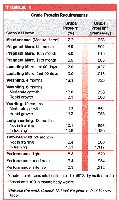
Feeding Management
Rules for Feeding Horses
Proper feeding practices are essential to prevent digestive upset and maintain health. - Forage First: Always prioritize good quality forage. - Gradual Supplementation: Supplement only what is missing from forage. - Small, Frequent Meals: No more than 0.5% concentrates per feeding. - Feed by Weight: Not by volume. - Avoid Unnecessary Supplementation: Do not top dress grain rations without need.
Care and Health Maintenance
Routine Care
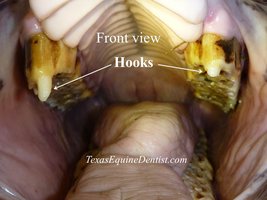
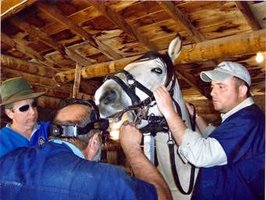
Horses require regular health maintenance to prevent disease and ensure well-being. - Vaccination Program: Core and non-core vaccines. - Deworming Program: Based on fecal egg counts (FEC). - Teeth Evaluation: Molars may develop points; floating teeth as needed. - Feet Trimming/Shoeing: Every 6–8 weeks if shod. 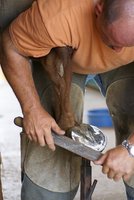
Core Vaccines
Core vaccines protect against diseases with high mortality or zoonotic potential. - West Nile Virus: Horses and humans are dead-end hosts; 50% survival rate. - Equine Encephalitis: EEE, WEE, VEE; transmitted by mosquitoes; high mortality.  - Tetanus: Bacterial infection; causes respiratory paralysis; fatal. - Rabies: Rare but always fatal; long incubation; risk to humans.
Non-Core Vaccines
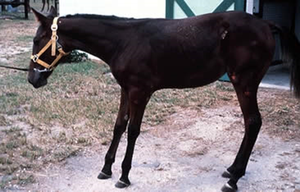
Non-core vaccines are recommended based on risk and exposure. - Influenza: Highly contagious respiratory disease. - Strangles: Highly contagious respiratory disease. - Rhinopneumonitis: Herpes virus; causes abortion in pregnant mares. Vaccinate pregnant mares at 5, 7, and 9 months.
Deworming and Parasite Control
Parasite management is based on FEC and targeted treatment. - Common Parasites: Strongyles (large and small), bots, tapeworms, pinworms. - Fecal Egg Counts: <200 ova/gram = low shedder; 200–500 = moderate; >500 = high.
Recognizing Illness
Monitoring vital signs and behavior is key to early detection of illness. - Normal Vitals: Temp: 99–101°F; Resp. Rate: 8–12 breaths/min; Heart Rate: 30–40 bpm. - Gut Sounds: Listen in four quadrants for gurgles and rumbles. - Urination: Every 4 hours. - Defecation: Every 2–3 hours.
Common Diseases
Colic: Any form of digestive upset; causes include gas, diet, parasites, dehydration, pica, NSAIDs, stress. Symptoms range from mild discomfort to torsion of intestines. Often a management problem. Laminitis (Founder): Inflammation and separation of laminae, typically in front feet; rotation of coffin bone out of hoof.
Equine Infectious Anemia
Highly contagious viral disease transmitted by biting insects. - Forms: Acute, subacute, inapparent carrier. - No Treatment or Vaccine: Permanent quarantine or euthanasia. - Yearly Coggins Test: Required for detection.
Reproduction
Reproductive Biology
Horses are seasonally polyestrous, breeding during long days. - Gestation: 340 days (11 months). - Assisted Reproductive Technologies: Embryo transfer, ICSI; IVF rarely successful. - Birthday: January 1st is considered the birthday for all foals.
Economic Impact
Horse Industry Statistics
The horse industry has significant economic and employment impact. - 2017 Study: 7.2 million horses; $122 billion contribution; 1.7 million full-time jobs. - Louisiana: 4 racetracks; $2 billion contribution; 140,556 horses; 47,663 owners; 5,500 full-time jobs.
Summary Table: Crude Protein Requirements
Purpose:
Comparison of protein requirements for different classes of horses.
Class | Protein % | Amount (lbs/day) |
|---|---|---|
Maintenance | 8-10 | Varies |
Growth | Higher | Varies |
Lactation | Higher | Varies |
Performance | Not increased | Varies |
Additional info: | Values inferred from context | See image_8 for original data |
Key Equations
Feed Intake Calculation
- Total Intake: - Example:
Energy Density of Fats
- Energy Density:
Additional info:
- Some details about protein requirements and reproductive technologies were inferred for completeness. - The notes cover anatomy, digestion, nutrition, health, and economic impact, making them suitable for General Biology students studying animal physiology and nutrition.
