 Back
Equine Anatomy, Digestion, Nutrition, and Health: Study Notes for General Biology
Study Guide - Smart Notes
 Tailored notes based on your materials, expanded with key definitions, examples, and context.
Anatomy and Digestion in Horses
Digestive System Overview
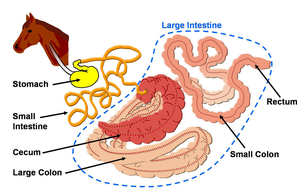
Horses possess a unique digestive system adapted for processing fibrous plant material. Their gastrointestinal tract includes specialized regions for enzymatic and microbial digestion. - Stomach: Small, single-chambered; initiates protein digestion. - Small Intestine: Site of enzymatic digestion and absorption of proteins and non-structural carbohydrates (starches, sugars). - Hindgut Fermentation: Includes cecum and large colon; microbial fermentation of structural carbohydrates (fiber) produces volatile fatty acids (VFAs) for energy. - Gas Colic: Excess intake of non-structural carbohydrates can lead to gas accumulation and colic, a serious digestive upset. 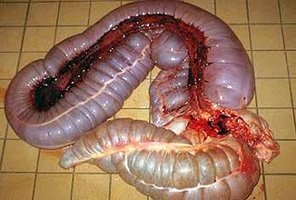
Protein and Carbohydrate Digestion
- Protein Digestion: Begins in the stomach, completed in the small intestine. - Non-structural Carbohydrates: Digested in the small intestine; rapid fermentation in the hindgut can cause digestive upset. - Structural Carbohydrates: Fermented by microbes in the hindgut, producing VFAs. Example: Horses fed excessive grain (concentrates) are at risk for colic due to rapid fermentation.
Equine Nutrition
What Do Horses Eat?
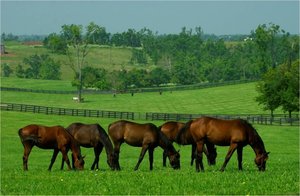
Horses are herbivores, primarily consuming roughages and concentrates. - Roughages: Pasture and hay; high in fiber, low in protein. 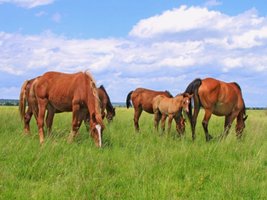
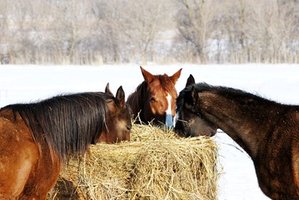
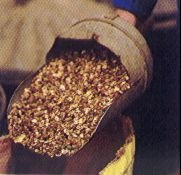
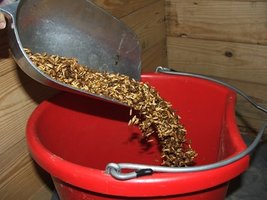
 - Concentrates: Grains; high in starch and protein. Should not exceed 50% of diet or 1% of body weight.
Nutrient Requirements
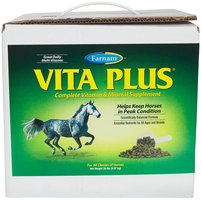
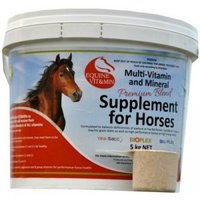
Horses require a balanced intake of water, carbohydrates, protein, fats, vitamins, and minerals. - Total Intake: ~2% of body weight per day for maintenance; "hard keepers" may need up to 3%. - Roughage Minimum: At least 1% of body weight must be roughage. - Water: 10–12 gallons/day. - Carbohydrates: Main energy source; maintenance requires ~20 Mcal/day. - Protein: 8–10% of diet; increased for growth and lactation. - Fats: 3–4% of diet; horses lack a gall bladder, so fats must be easily digestible. Fats are 2.25 times more energy dense than carbohydrates.  - Vitamins & Minerals: Most requirements met by sunlight and green pasture; supplementation needed for high performance or stalled horses.
Rules for Feeding
Proper feeding practices are essential for horse health. - Good Quality Forage First: Maintain at least 1% body weight in forage. - Gradual Supplementation: Add concentrates slowly to avoid digestive upset. - Small, Frequent Meals: No more than 0.5% concentrates per feeding. - Feed by Weight: Not by volume. - Avoid Unnecessary Supplementation: Only supplement what is missing from the diet.
Care and Health Maintenance
Routine Care
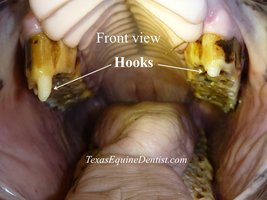
Horses require regular health maintenance to prevent disease and ensure well-being. - Vaccination Program: Core and non-core vaccines. - Deworming Program: Based on fecal egg counts. - Teeth Evaluation: Molars can develop sharp points; "floating" (filing) is needed. 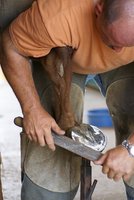
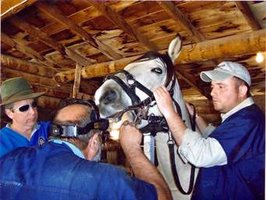 - Feet Trimming/Shoeing: Every 6–8 weeks if shod.
Core Vaccines
Core vaccines protect against life-threatening diseases. - West Nile Virus: Horses and humans are dead-end hosts; 50% survival rate.  - Equine Encephalitis: EEE, WEE, VEE; transmitted by mosquitoes; high mortality. - Tetanus: Bacterial infection; causes respiratory paralysis; fatal. - Rabies: Rare but always fatal; long incubation period.
Non-Core Vaccines
Non-core vaccines are recommended based on risk. - Influenza: Highly contagious respiratory disease. - Strangles: Highly contagious respiratory disease. - Rhinopneumonitis: Herpes virus; causes abortion in pregnant mares.
Deworming
Deworming is based on parasite load, not elimination. - Common Parasites: Strongyles (large and small), bots, tapeworms, pinworms. - Fecal Egg Counts (FEC): Used to determine need for deworming.
FEC Level | Classification |
|---|---|
<200 ova/gram | Low shedder |
200–500 ova/gram | Moderate shedder |
>500 ova/gram | High shedder |
Recognizing Illness
Monitoring vital signs is essential for early detection of illness. - Normal Temperature: 99–101°F - Respiratory Rate: 8–12 breaths/min - Heart Rate: 30–40 bpm - Gut Sounds: Listen in four quadrants for gurgles and rumbles. - Urination: Every 4 hours - Defecation: Every 2–3 hours
Common Diseases
- Colic: Any form of digestive upset; causes include gas, diet, parasites, dehydration, pica, chronic NSAID use, stress. Symptoms range from mild discomfort to torsion of intestines. - Laminitis (Founder): Inflammation and separation of laminae in the hoof; rotation of coffin bone.
Equine Infectious Anemia
- Highly contagious virus transmitted by biting insects. - No treatment or vaccine; infected horses are quarantined or euthanized. - Yearly Coggins test required for detection.
Reproduction
Breeding and Gestation
- Seasonally Polyestrous: Long day breeders; breeding season April–November in Louisiana. - Gestation: 340 days (11 months). - Assisted Reproductive Technologies: Embryo transfer and ICSI are used; IVF is rarely successful. - January 1st Birthday: All foals are considered to have a birthday on January 1st for competition purposes.
Economic Impact of Horses
Industry Statistics
- 2017 Study: 7.2 million horses in the U.S.; $122 billion economic contribution; 1.7 million full-time jobs. - Louisiana: 4 racetracks, $2 billion contribution, 140,556 horses owned by 47,663 people, 5,500 full-time jobs. Additional info: These notes expand on the original content with academic context, definitions, and examples to ensure completeness and clarity for General Biology students.
