 Back
Evolution: Historical Context, Mechanisms, and Evidence
Study Guide - Smart Notes
 Tailored notes based on your materials, expanded with key definitions, examples, and context.
Evolution: Historical Context, Mechanisms, and Evidence
Introduction to Evolution
Evolution is a central concept in biology, explaining the diversity and unity of life. This chapter explores the historical development of evolutionary theory, the mechanisms driving evolutionary change, and the evidence supporting evolution.
Historical Foundations of Evolutionary Thought
Contributions of Early Thinkers
Georges Cuvier: Founder of paleontology, Cuvier established extinction as a scientific fact and argued that the history of life was marked by catastrophic events.
James Hutton & Charles Lyell: Geologists who proposed that Earth's features developed gradually over long periods (gradualism and uniformitarianism). Lyell's work influenced Darwin's thinking about slow, cumulative processes in nature.
Jean-Baptiste Lamarck: Proposed that organisms change over time through use and disuse of body parts and inheritance of acquired characteristics. Although incorrect, his ideas stimulated further discussion about mechanisms of evolution.
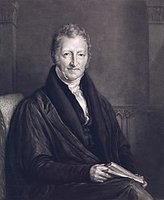
Thomas Malthus: Economist who argued that populations grow faster than resources, leading to competition and struggle for survival. Darwin applied this concept to natural populations.
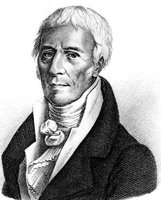
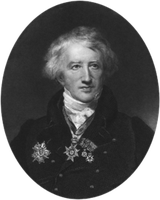
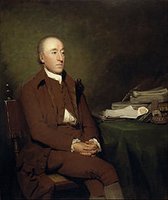
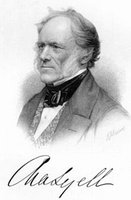
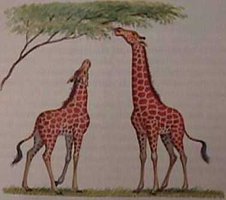
Lamarck's Theory of Evolution
Use and Disuse: Organs used extensively become larger and stronger; those not used deteriorate.
Inheritance of Acquired Characteristics: Traits acquired during an organism's lifetime are passed to offspring.
Example: Lamarck suggested giraffes' long necks evolved because ancestors stretched their necks to reach leaves, and this trait was inherited by descendants.
Darwin's Theory of Evolution by Natural Selection
The Voyage of the Beagle
Charles Darwin's observations during his voyage on HMS Beagle (1831–1836) provided crucial evidence for evolution. He noted the diversity of species and their adaptations to different environments, especially in the Galápagos Islands.
Natural Selection
Natural selection is the process by which individuals with favorable traits are more likely to survive and reproduce, passing those traits to the next generation. This mechanism explains how populations adapt to their environments over time.
Variation: Individuals in a population vary in their traits.
Heritability: Some of these traits are heritable.
Differential Reproductive Success: Individuals with advantageous traits leave more offspring.
Result: Over generations, favorable traits become more common in the population.
Artificial Selection
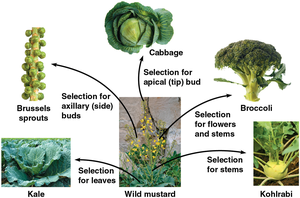
Artificial selection is the human-directed breeding of organisms to enhance desirable traits, providing a model for understanding natural selection.
Example: Selective breeding of wild mustard has produced diverse vegetables such as cabbage, broccoli, kale, and Brussels sprouts.
Microevolution vs. Macroevolution
Microevolution: Evolutionary changes within a population or species, typically involving changes in allele frequencies.
Macroevolution: Evolutionary changes that result in the formation of new species or groups, including speciation and mass extinctions.
Evidence Supporting Evolution
1. Direct Observations of Evolutionary Change
Example: Soapberry bugs in Florida have evolved different beak lengths in response to changes in available food sources (balloon vines vs. goldenrain trees).
2. Homology
Comparative Anatomy: Homologous structures are anatomical features in different species that are similar due to shared ancestry (e.g., mammalian forelimbs).
Comparative Embryology: Embryos of related species show similar developmental patterns, reflecting common ancestry.
Molecular Homology: Similarities in DNA and protein sequences among different organisms indicate evolutionary relationships.
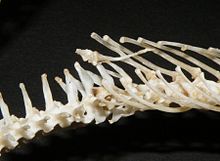
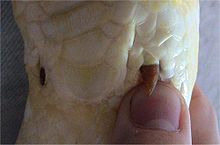
Vestigial Structures: Remnants of features that served important functions in ancestors but are now reduced or nonfunctional (e.g., pelvic bones in whales, hind limb bones in snakes).
3. The Fossil Record
Fossils provide evidence of extinct species and document the transitions between major groups of organisms.
Transitional fossils illustrate evolutionary changes (e.g., the transition from land mammals to whales).
4. Biogeography
Biogeography is the study of the geographic distribution of species.
Patterns of distribution reflect evolutionary history and continental drift (e.g., similar species on continents that were once connected).
Example: Freshwater fish in the family Galaxiidae are found in both South America and Australia, reflecting ancient connections between continents.
Summary of Key Concepts
Evolution explains the unity and diversity of life and the adaptation of organisms to their environments.
Natural selection is the primary mechanism of evolutionary change, but other mechanisms also contribute (to be discussed in later chapters).
Multiple lines of evidence, including direct observation, homology, the fossil record, and biogeography, support the theory of evolution.
