 Back
BackEvolution: Mechanisms, Variation, and Speciation
Study Guide - Smart Notes
 Tailored notes based on your materials, expanded with key definitions, examples, and context.
Evolution: Mechanisms, Variation, and Speciation
Introduction to Evolution
Evolution is the process by which the heritable characteristics of biological populations change over successive generations. It is a central concept in biology, explaining the diversity of life and the adaptation of organisms to their environments.
Evolution is defined as the change in the heritable characteristics of biological populations over time.
Evolution occurs at the population level, not in individuals.
Extinction is the process by which a species dies out.
Homeostasis is not evolution; it refers to maintaining internal stability.
Mechanisms of Evolution
Evolution occurs through several mechanisms, including natural selection, genetic drift, gene flow, and mutation.
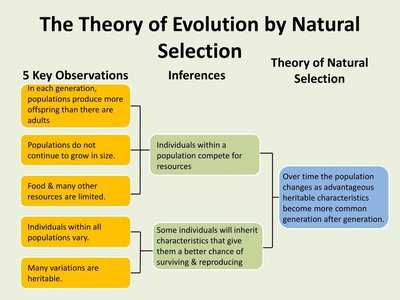
Natural Selection: The process by which individuals with advantageous traits survive and reproduce more successfully, increasing the frequency of those traits in the population.
Genetic Drift: Random changes in allele frequencies, especially in small populations.
Gene Flow: The movement of genes between populations through migration.
Mutation: Random changes in DNA that can introduce new genetic variation.
Natural Selection and Adaptation
Natural selection leads to adaptation, where populations become better suited to their environments over generations.
Adaptation: An evolutionary process in which a population becomes better suited to its habitat through natural selection.
Traits that provide a survival or reproductive advantage increase in frequency.
"Survival of the fittest" refers to the increased reproductive success of individuals with advantageous traits.
Genetic and Phenotypic Variation
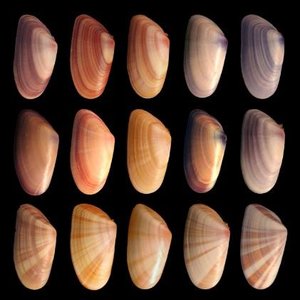
Variation is essential for evolution. It arises from genetic diversity and is expressed as phenotypic differences among individuals.
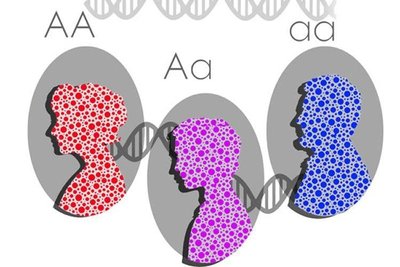
Genetic Diversity: The total number of genetic characteristics in the genetic makeup of a population.
Phenotypic Variation: Observable differences in physical and physiological traits among individuals.
Variation can be structural, functional, or behavioral.
Types of Variation
Structural Variation: Differences in physical features (e.g., limb structure).
Functional Variation: Differences in biochemical or physiological functions (e.g., enzyme activity, venom production).
Behavioral Variation: Differences in behavior that affect survival and reproduction (e.g., mating dances, foraging strategies).
Sources of Variation
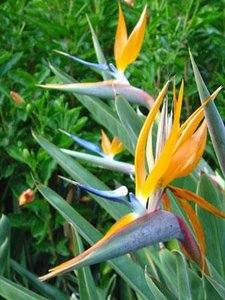
Variation arises through mutation and sexual reproduction.
Mutation: Random changes in DNA that can create new alleles. Not all mutations are beneficial or significant.
Sexual Reproduction: Shuffles alleles and creates new combinations, increasing genetic diversity.

Sexual Selection
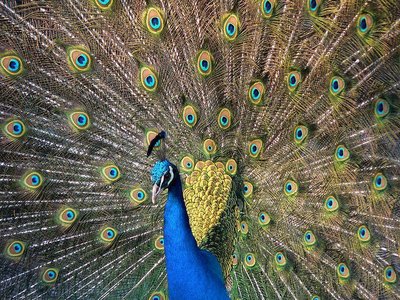
Sexual selection is a form of natural selection where traits are favored because they enhance an individual's chances of mating and reproducing.
Leads to sexual dimorphism: differences in form, size, color, or behavior between males and females.
Examples: Peacock feathers, bird dances, giraffe necking.
Genetic Bottlenecks and Reduced Variation
Endangered species often have reduced genetic variation due to population bottlenecks, making them less adaptable to environmental changes.
Bottleneck Effect: A sharp reduction in population size leads to loss of genetic diversity.
Low genetic variation reduces the ability to adapt and recover from environmental changes or disease.
Speciation and Reproductive Barriers
Speciation is the process by which one species splits into two or more distinct species. This often occurs when populations are reproductively isolated.
Biological Species Concept: Species are groups of interbreeding natural populations that are reproductively isolated from other such groups.
Reproductive Barriers:
Prezygotic Barriers: Prevent mating or fertilization (habitat, behavioral, temporal, mechanical, gametic isolation).
Postzygotic Barriers: Prevent hybrid offspring from developing into fertile adults (hybrid sterility, inviability).
Geographic Isolation: Physical separation of populations can lead to speciation (e.g., Galapagos Islands).
Tempo of Speciation
Speciation can occur at different rates, described by two main models:
Gradualism: Species evolve through a slow and steady accumulation of small changes.
Punctuated Equilibrium: Long periods of little change are interrupted by brief periods of rapid change.
Phylogeny and Classification
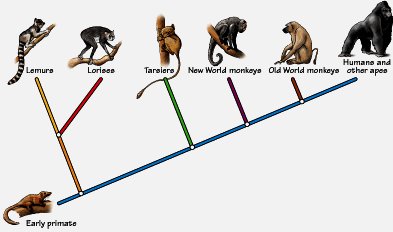
Phylogeny is the evolutionary history of a species or group of species. Classification organizes species based on evolutionary relationships.
Cladogram: A diagram showing evolutionary relationships among species.
Phylogenetic Tree: A branching diagram representing evolutionary relationships.
Taxonomy: The science of classifying organisms.
Binomial Nomenclature: The two-part scientific naming system (Genus species).
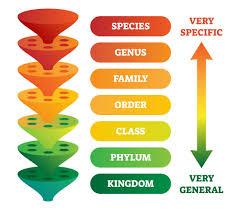
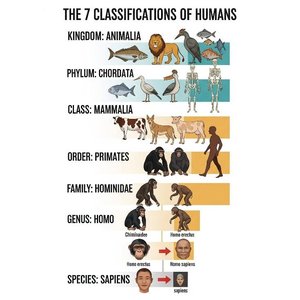
Taxonomic Hierarchy
Level | Example (Human) |
|---|---|
Kingdom | Animalia |
Phylum | Chordata |
Class | Mammalia |
Order | Primates |
Family | Hominidae |
Genus | Homo |
Species | sapiens |
Summary Table: Mechanisms of Evolution
Mechanism | Description | Effect on Population |
|---|---|---|
Natural Selection | Favors advantageous traits | Increases adaptation |
Genetic Drift | Random allele frequency changes | Reduces genetic variation |
Gene Flow | Movement of alleles between populations | Increases genetic variation |
Mutation | Random changes in DNA | Introduces new alleles |
Additional info: This guide covers core concepts from chapters on evolution, speciation, and classification, integrating definitions, examples, and diagrams for comprehensive understanding.
