 Back
BackExtending Mendelian Genetics: Beyond Simple Inheritance Patterns
Study Guide - Smart Notes
 Tailored notes based on your materials, expanded with key definitions, examples, and context.
Extending Mendelian Genetics
Monohybrid and Dihybrid Crosses
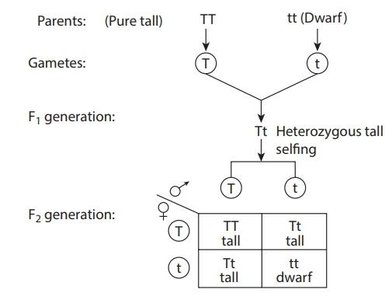
Mendelian genetics describes how traits are inherited through discrete units called genes. A monohybrid cross examines the inheritance of a single trait, while a dihybrid cross investigates two traits simultaneously. In a monohybrid cross, organisms are heterozygous for one gene; in a dihybrid cross, they are heterozygous for two genes.
Monohybrid cross: Involves one gene (e.g., Tt x Tt for plant height).
Dihybrid cross: Involves two genes (e.g., RrYy x RrYy for seed shape and color).
Phenotypic ratios: Monohybrid (3:1), Dihybrid (9:3:3:1).
Deviations from Simple Mendelian Patterns
Not all inheritance patterns follow Mendel's laws strictly. Several phenomena can alter expected ratios:
Incomplete dominance: Heterozygotes show an intermediate phenotype.
Codominance: Both alleles are fully expressed in heterozygotes.
Lethal alleles: Certain allele combinations can be fatal, altering expected ratios.
Multiple alleles: More than two alleles exist for some genes (e.g., rabbit coat color, ABO blood groups).
Pleiotropy: One gene affects multiple phenotypic traits.
Degree of Dominance
Dominance describes the relationship between alleles. Complete dominance means one allele masks the other, while incomplete and codominance allow for intermediate or dual expression.
Complete dominance: Only the dominant phenotype is observed in heterozygotes.
Incomplete dominance: Heterozygotes have a phenotype between the two homozygotes.
Codominance: Both phenotypes are expressed equally.
The Relation Between Dominance and Phenotype
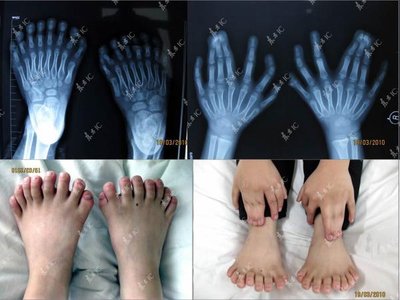
Dominant alleles are not always more common in populations. For example, polydactyly (extra digits) is a dominant trait but is rare in humans.
Dominant does not mean common: Frequency depends on evolutionary and population factors.
Example: Polydactyly is dominant but uncommon.
Lethal Alleles
Lethal alleles cause death when present in certain genotypes, often altering Mendelian ratios. They can be recessive or dominant.
Recessive lethal: Homozygous recessive individuals die (e.g., cc in maize).
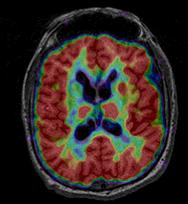
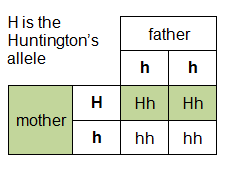
Dominant lethal: One copy is enough to cause death (e.g., Huntington's disease).
Multiple Alleles
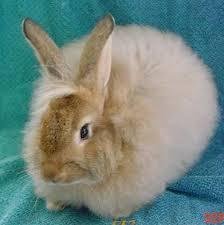
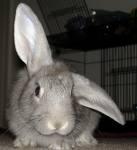
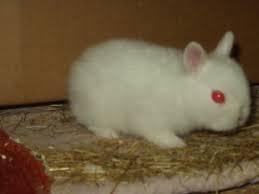
Some genes have more than two alleles, increasing genetic diversity. For example, rabbit coat color is determined by multiple alleles with a dominance hierarchy.
Alleles: c+ (agouti) > cch (chinchilla) > ch (himalayan) > c (albino).
Genotypes: Ten possible combinations yield four phenotypes.
Blood Groups: Multiple Alleles and Codominance
The ABO blood group system is controlled by three alleles (IA, IB, i) and exhibits both multiple allelism and codominance.
IA: Adds galactosamine (A antigen)
IB: Adds galactose (B antigen)
i: No antigen added (O type)
Genotypes and phenotypes: IAIA or IAi = A, IBIB or IBi = B, IAIB = AB, ii = O
Genotype | Phenotype (Blood Group) |
|---|---|
IAIA, IAi | A |
IBIB, IBi | B |
IAIB | AB |
ii | O |
Pleiotropy
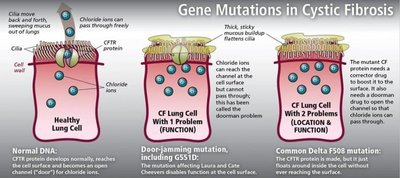
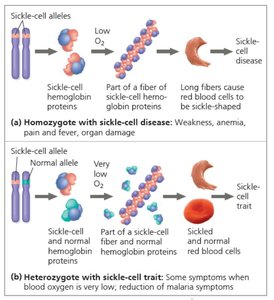
Pleiotropy occurs when one gene influences multiple phenotypic traits. This is common in many genetic disorders.
Cystic fibrosis: Affects lungs, pancreas, and other organs due to a single gene mutation.
Sickle-cell disease: Alters hemoglobin, causing multiple symptoms.
Extending Mendelian Genetics for Two or More Genes
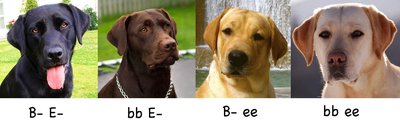
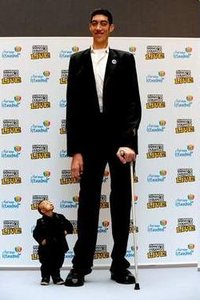
Some traits are influenced by two or more genes, leading to complex inheritance patterns such as epistasis and polygenic inheritance.
Epistasis: One gene masks or modifies the effect of another gene (e.g., coat color in Labrador retrievers).
Polygenic inheritance: Multiple genes independently affect a single trait (e.g., human skin color, height).
Environmental Impact on Phenotype
Phenotype is influenced by both genotype and environment. Factors such as nutrition, exercise, and exposure to sunlight can modify the expression of genetic traits.
Examples: Height, skin color, intelligence, and disease susceptibility are all influenced by environmental factors.
Pedigree Analysis
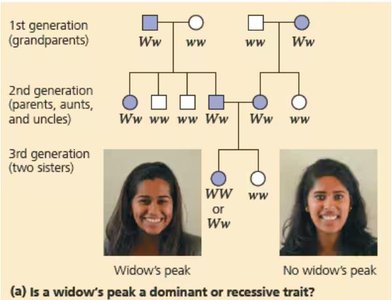
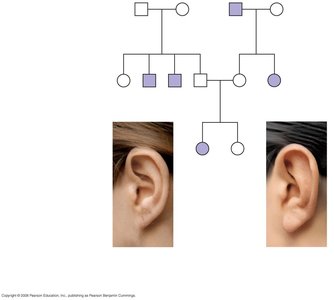
Pedigrees are family trees that track the inheritance of traits across generations. They are useful for studying human genetics, where controlled crosses are not possible.
Symbols: Squares (males), circles (females), shaded (affected), unshaded (unaffected).
Applications: Predicting inheritance patterns, identifying carriers, and assessing risk for genetic disorders.
Recessively and Dominantly Inherited Disorders
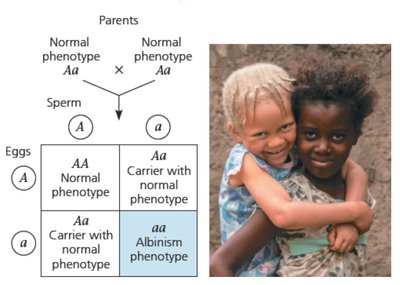
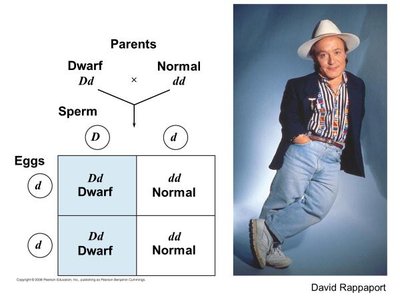
Genetic disorders can be inherited in a recessive or dominant manner. Recessive disorders require two copies of the mutant allele, while dominant disorders require only one.
Recessive: Albinism, cystic fibrosis, sickle-cell disease.
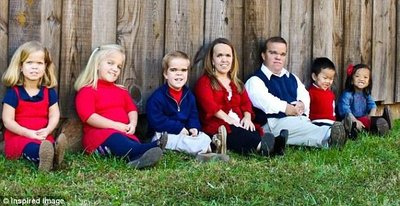
Dominant: Huntington's disease, achondroplasia (dwarfism).
Multifactorial Disorders
Many common diseases are influenced by multiple genes and environmental factors. These are called multifactorial disorders.
Examples: Heart disease, diabetes, cancer, alcoholism, schizophrenia, bipolar disorder.
The Chromosomal Basis of Inheritance
Genes and Chromosomes
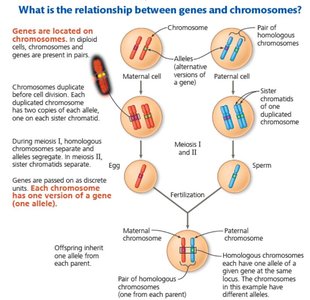
Genes are located on chromosomes, which segregate and assort independently during meiosis. This forms the basis for Mendel's laws at the chromosomal level.
Sex Determination Systems
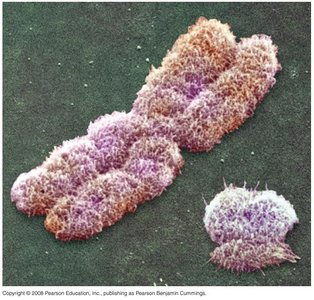
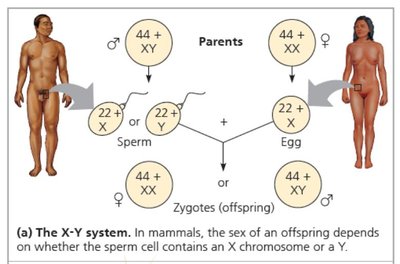
Sex is determined by specific chromosomes in many organisms. Different systems exist:
X-Y system: Mammals (XX = female, XY = male).
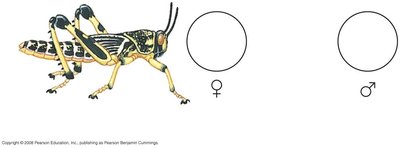
X-0 system: Grasshoppers (XX = female, X = male).
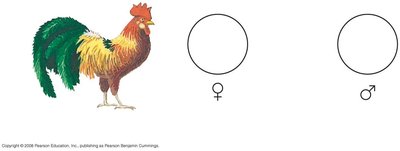
Z-W system: Birds (ZW = female, ZZ = male).
Haplo-diploid system: Bees (diploid = female, haploid = male).
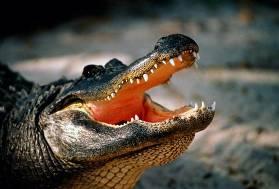
Environmental: Some reptiles (e.g., crocodiles) use temperature-dependent sex determination.
Sex-Linked Genes
Genes located on sex chromosomes exhibit unique inheritance patterns. X-linked recessive traits are more common in males, as they have only one X chromosome.
Examples: Color blindness, hemophilia, Duchenne muscular dystrophy.
Inheritance: Females need two copies of the allele; males need only one.
Changes in Chromosome Number: Aneuploidy and Polyploidy
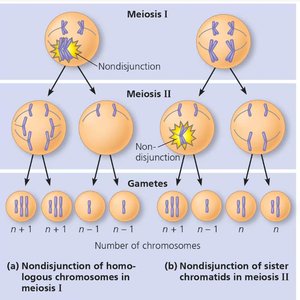
Abnormal chromosome numbers can result from nondisjunction during meiosis.
Polyploidy: More than two sets of chromosomes (e.g., triploid 3n, tetraploid 4n).
Aneuploidy: One or more chromosomes extra or missing (e.g., trisomy 21 = Down syndrome).
Alterations of Chromosome Structure
Chromosome breakage can lead to structural changes:
Deletion: Loss of a segment.
Duplication: Repetition of a segment.
Inversion: Reversal of a segment.
Translocation: Segment moves to another chromosome.
Sex-Linked Inheritance in Drosophila
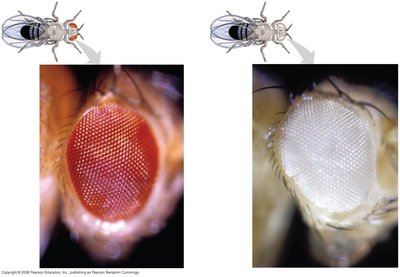
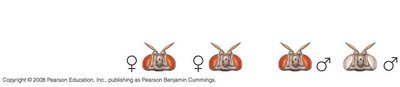
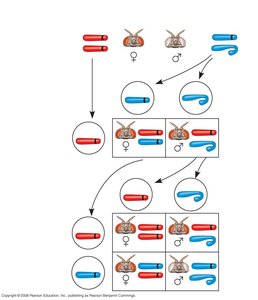
Thomas Hunt Morgan's experiments with fruit flies provided evidence that genes are located on chromosomes. He discovered sex-linked inheritance of eye color in Drosophila melanogaster.
Wild type: Red eyes (dominant)
Mutant: White eyes (recessive, X-linked)
Inheritance pattern: White-eyed trait appears more frequently in males.
 *Additional info: Some images and tables were inferred to clarify genetic concepts and inheritance patterns as described in the source material.*
