 Back
Extensions to Mendelian Patterns of Inheritance and Chromosomal Aberrations
Study Guide - Smart Notes
 Tailored notes based on your materials, expanded with key definitions, examples, and context.
Extensions to Mendelian Patterns of Inheritance
Introduction to Non-Mendelian Inheritance
Mendelian genetics describes inheritance patterns based on dominant and recessive alleles, but many traits deviate from these simple patterns. Extensions to Mendelian inheritance include incomplete dominance, codominance, multiple alleles, epistasis, pleiotropy, and environmental effects on phenotype.
Alleles and Dominance
Alleles are alternative forms of a gene found at the same locus on homologous chromosomes.
Dominance refers to the relationship between alleles, where the phenotype of one allele masks the other in heterozygotes.
Complete dominance: The phenotype of the heterozygote is identical to the dominant homozygote.
Dominant alleles often encode functional proteins, while recessive alleles may result in nonfunctional or absent proteins.
Incomplete Dominance
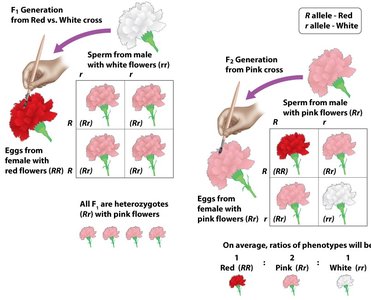
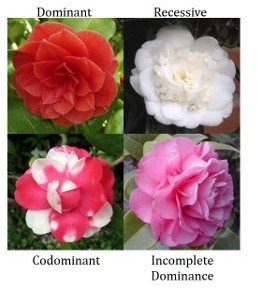
In incomplete dominance, the heterozygote displays a phenotype intermediate between the two homozygotes. This does not support the blending hypothesis, as parental traits reappear in the F2 generation, confirming particulate inheritance.
Example: In carnations, crossing red (RR) and white (rr) flowers produces pink (Rr) offspring.
Codominance
In codominance, both alleles in a heterozygote are fully expressed, resulting in a phenotype that shows aspects of both alleles.
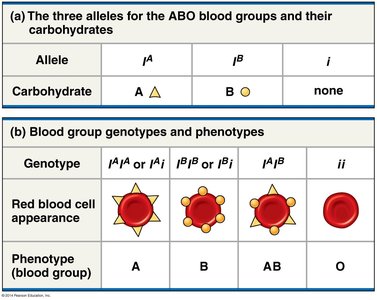
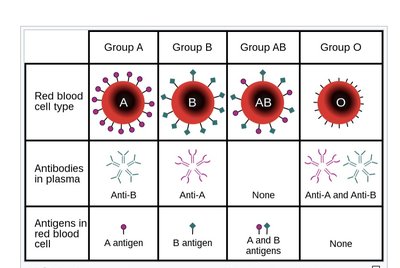
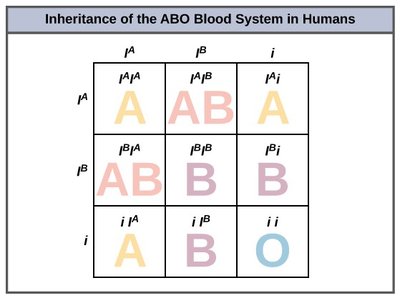
Example: The ABO blood group system in humans is regulated by the I gene, which has three alleles: IA, IB, and i. IA and IB are codominant, while i is recessive.
Multiple Alleles
Some genes have more than two alleles in the population, though any individual can only carry two alleles for each gene.
Example: Coat color in rabbits is determined by a gene with four alleles, showing a hierarchy of dominance.
Distinguishing Dominance Types
Incomplete dominance: Heterozygote has an intermediate phenotype.
Codominance: Heterozygote expresses both phenotypes distinctly.
Dominant vs. Recessive Alleles in Populations
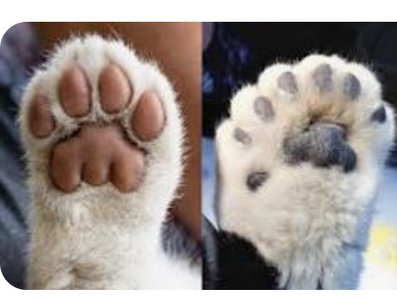
Dominant alleles are not always the most common or the 'wild type' in a population.
Example: Polydactyly (extra fingers or toes) is a dominant trait but is rare in the population.
Lethal Alleles and Altered Ratios
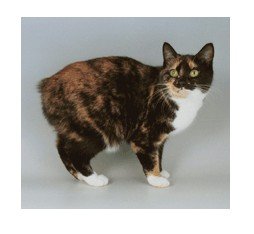
Some dominant alleles are lethal when homozygous, altering expected Mendelian ratios.
Example: The Manx cat's short tail is due to a dominant allele that is lethal in the homozygous state.
Epistasis
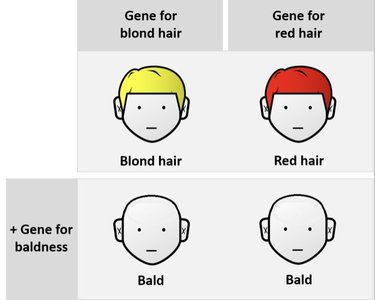
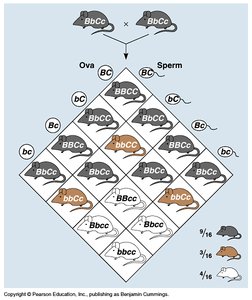
Epistasis occurs when one gene affects the phenotypic expression of another gene at a different locus. This can modify expected Mendelian ratios in dihybrid crosses.
Example: In mice, one gene determines pigment color (black or brown), while another gene determines whether pigment is deposited. Homozygosity for the recessive allele at the second gene results in albinism, regardless of the first gene's genotype.
Pleiotropy
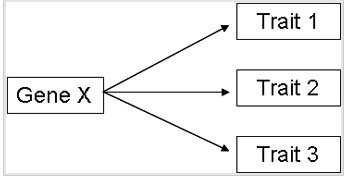
Pleiotropy describes a single gene affecting multiple phenotypic traits.
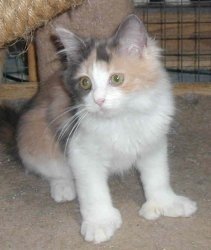
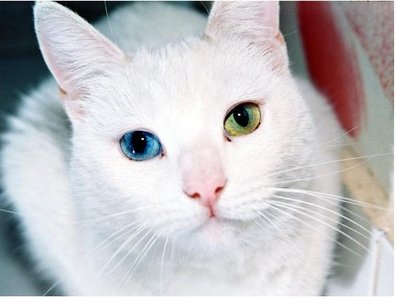
Example: The gene responsible for white fur and blue eyes in cats also causes deafness, as it affects both pigmentation and ear development.
Environmental Effects on Phenotype
The environment can influence the expression of genetic traits, leading to phenotypic variation even among individuals with the same genotype.
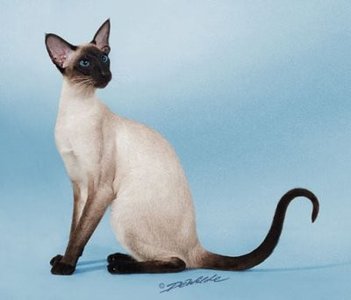
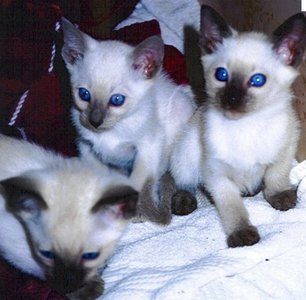
Example: The coat color of Siamese cats is temperature-dependent due to a mutation in the tyrosinase enzyme, which is only active at cooler temperatures found in the extremities.
Chromosomal Aberrations and Abnormalities
Introduction to Chromosomal Abnormalities
Chromosomal abnormalities can be numerical (aneuploidy) or structural (deletions, duplications, inversions, translocations). Aneuploidy is the presence of an abnormal number of chromosomes and is a leading cause of miscarriage and congenital disorders.
Nondisjunction and Aneuploidy
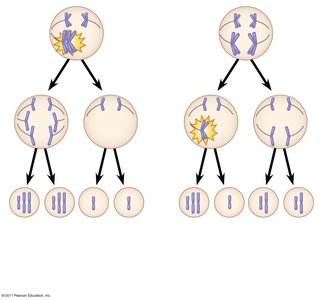
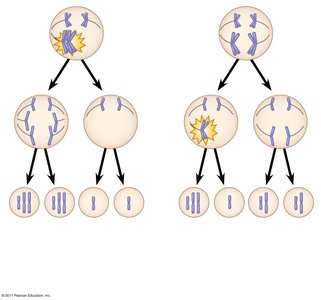
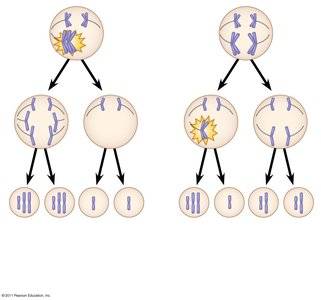
Nondisjunction is the failure of homologous chromosomes or sister chromatids to separate properly during meiosis or mitosis, resulting in gametes with abnormal chromosome numbers. Fertilization involving such gametes leads to aneuploid offspring.
Monosomy: Missing one chromosome (2n-1).
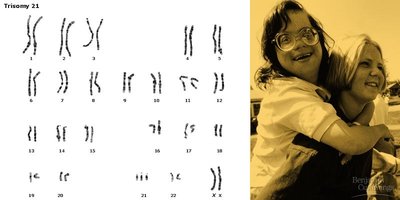
Trisomy: Having one extra chromosome (2n+1).
Consequences of Aneuploidy
Gene dosage imbalance can disrupt normal development.
Unmasking of recessive alleles can lead to expression of harmful traits.
Pairing problems during meiosis can cause sterility.
Human Disorders Due to Aneuploidy
Down syndrome (Trisomy 21): Caused by an extra copy of chromosome 21, leading to intellectual and developmental delays. The risk increases with maternal age.
Detection of Chromosomal Abnormalities
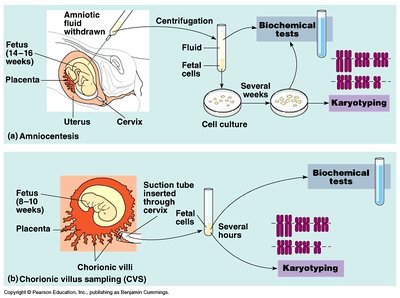
High-risk pregnancies may be screened for chromosomal abnormalities using procedures such as amniocentesis or chorionic villus sampling, followed by karyotyping and biochemical tests.
Summary Table: Key Extensions to Mendelian Inheritance
Pattern | Description | Example |
|---|---|---|
Incomplete Dominance | Heterozygote phenotype is intermediate | Pink carnations (Rr) |
Codominance | Both alleles expressed in heterozygote | ABO blood groups (IAIB) |
Multiple Alleles | More than two alleles in population | Rabbit coat color |
Epistasis | One gene affects expression of another | Mouse coat color |
Pleiotropy | One gene affects multiple traits | White fur and deafness in cats |
Environmental Effects | Phenotype influenced by environment | Siamese cat coat color |
Additional info: These notes integrate foundational concepts from Mendelian genetics with modern understandings of gene interaction, chromosomal abnormalities, and the impact of environment on phenotype, as covered in college-level biology courses.
