 Back
Fish Diversity and Early Vertebrate Evolution
Study Guide - Smart Notes
 Tailored notes based on your materials, expanded with key definitions, examples, and context.
Fish Diversity and Early Vertebrate Evolution
Introduction to Fish Diversity
Fish represent a highly diverse group of vertebrates, occupying a wide range of aquatic habitats. Their evolutionary history is marked by significant adaptations, including the development of jaws, vertebrae, and specialized sensory systems. Understanding fish diversity provides insight into the origins and evolution of vertebrates.
Phylum Chordata: Key Characteristics
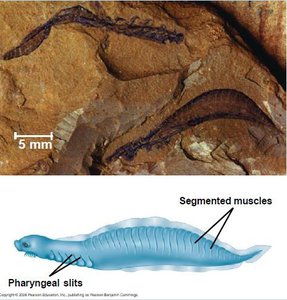
Chordates are defined by four primary characteristics present at some stage in their life cycle:
Notochord: A flexible, rod-shaped structure that provides support.
Dorsal nerve cord: A hollow cord located dorsally, which develops into the central nervous system.
Pharyngeal slits: Openings in the pharynx that function in filter-feeding or respiration.
Post-anal tail: An extension of the body past the anal opening.
These features are foundational for the evolution of vertebrates.
Early Chordates and Craniates
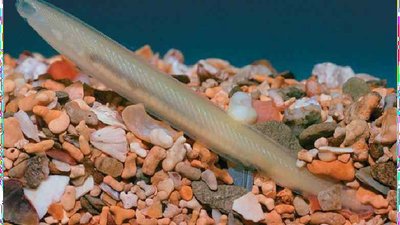
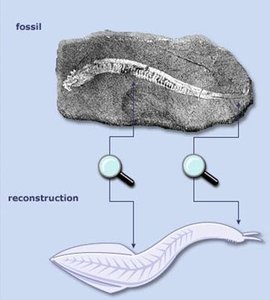
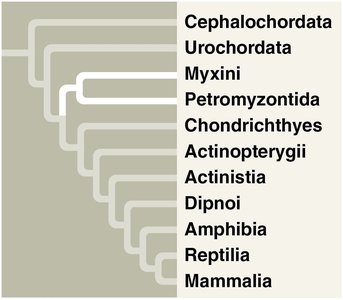
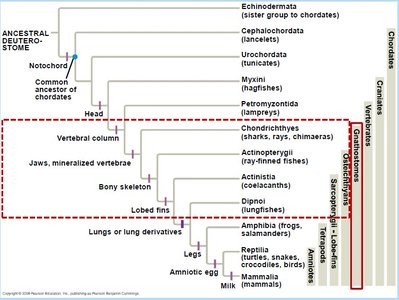
The earliest chordates include cephalochordates (lancelets) and urochordates (tunicates). Craniates are chordates with a distinct head, including a braincase made of cartilage or bone. The transition from simple chordates to craniates marks a major evolutionary step.
Cephalochordata: Lancelets, retain all chordate features throughout life.
Urochordata: Tunicates, lose most chordate features as adults.
Craniates: Possess a skull and brain, but early forms lacked a true backbone.
Evolution of Vertebrae
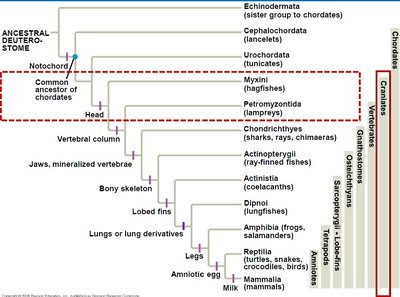
The development of vertebrae was a critical innovation in vertebrate evolution. Vertebrae provide structural support, protect the nerve cord, and serve as attachment points for muscles.
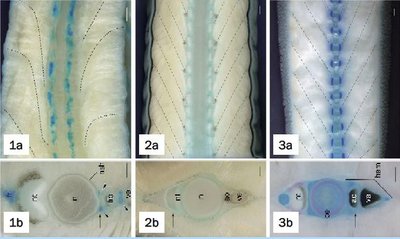
Flexible notochord: Present in lancelets and tunicates.
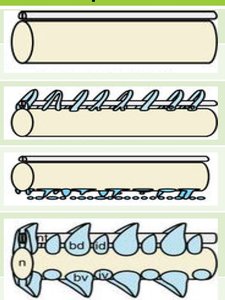
Cartilaginous vertebrae-like structures: Found in lampreys and hagfish.
Mineralized vertebrae: Present in cartilaginous and bony fish.
Vertebrae enabled greater mobility and complexity in body structure.
Class Agnatha: Jawless Fishes
Jawless fishes, or Agnatha, include hagfish (Myxini) and lampreys (Petromyzontida). These are the most basal vertebrates, lacking jaws and possessing rudimentary vertebrae.
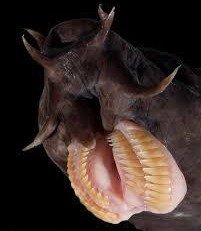
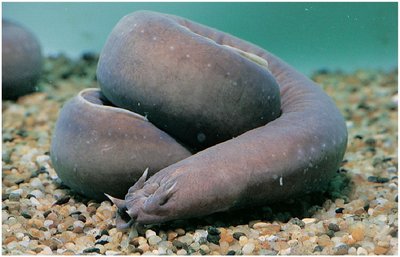
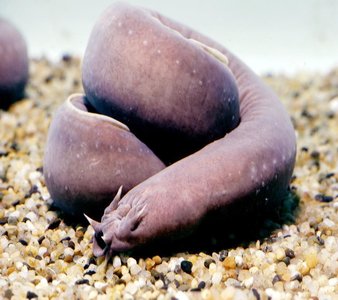
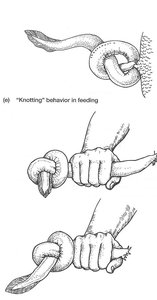
Hagfish (Myxini): Marine scavengers with tooth-like keratin structures, slime glands, and knotting behavior for feeding and escape.
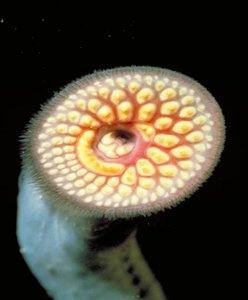
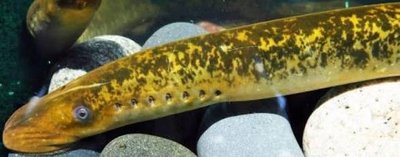
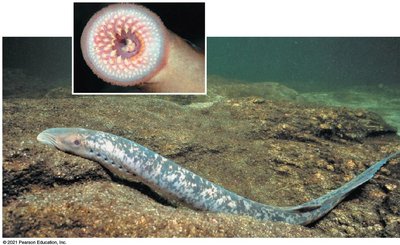
Lampreys (Petromyzontida): Parasitic or free-living, possess a round suction-cup mouth with teeth, and feed by rasping through skin.
Gnathostomes: Jawed Vertebrates
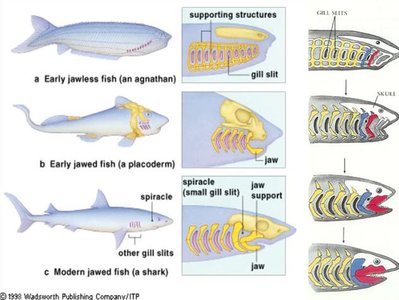
The evolution of jaws from gill arches (~450 mya) allowed vertebrates to exploit new feeding strategies and habitats. Jawed vertebrates, or Gnathostomes, include cartilaginous and bony fishes.
Chondrichthyes: Cartilaginous fishes (sharks, rays, skates) with mineralized cartilage skeletons.
Osteichthyes: Bony fishes with calcium phosphate skeletons.
Jaws enabled predation, defense, and competition for resources.
Fish Radiation and Adaptations
Fish have radiated into diverse habitats, adapting to varying water pressures, salinity, and oxygen levels. Key adaptations include:
Swim bladder: Provides buoyancy control.
Lateral line: Sensory system for detecting water movement.
Electroreceptors: Detect electrical fields for navigation and hunting.
Lung-like sacs: Allow some fish to gulp air and survive in low-oxygen environments.
These adaptations have contributed to the vast diversity of fish species.
Bony Fish: Class Osteichthyes
Bony fish are the most diverse vertebrate group, characterized by a bony endoskeleton, paired fins, and advanced respiratory systems.
Ray-finned fish (Actinopterygii): Fins supported by bony rays, highly diverse, occupy nearly every aquatic habitat.
Lobe-finned fish (Sarcopterygii): Fins with bones surrounded by muscle, include coelacanths and lungfish, some capable of "walking" underwater.
Bony fish have evolved mechanisms for respiration, buoyancy, and movement.
Evolutionary Significance
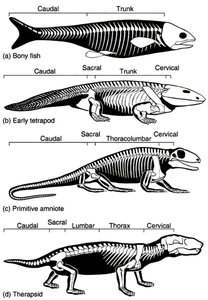
The evolution of vertebrates from early chordates to jawed fishes represents a major transition in animal life. Key innovations such as the vertebral column, jaws, and specialized sensory systems have enabled vertebrates to diversify and dominate aquatic environments.
Vertebral column: Replaces the notochord, provides structural support.
Jaws: Allow for varied feeding strategies.
Lungs and swim bladders: Adaptations for respiration and buoyancy.
These evolutionary steps paved the way for the emergence of tetrapods and the invasion of land.
Summary Table: Evolution of Vertebrate Endoskeletons
Group | State of Endoskeleton | Skeletal Representation |
|---|---|---|
Lancelet | Flexible notochord | Notochord only |
Tunicate | Flexible notochord | Notochord only |
Lamprey | Cartilaginous vertebrae-like structures (no collagen) | Rudimentary vertebrae |
Hagfish | Cartilaginous vertebrae-like structures (with collagen) | Rudimentary vertebrae |
Cartilaginous fish | Mineralised cartilaginous vertebrae | Vertebral column |
Bony fish | Mineralised bony vertebrae | Vertebral column |
Conclusion
The study of fish diversity and early vertebrate evolution highlights the major innovations that have shaped the vertebrate lineage. From the notochord to the development of jaws and specialized sensory systems, these adaptations have enabled vertebrates to thrive in aquatic environments and eventually transition to land.
