 Back
BackFlowering Control, Fruit Ripening, and Senescence in Plants
Study Guide - Smart Notes
 Tailored notes based on your materials, expanded with key definitions, examples, and context.
Flowering Control in Plants
Initiation of Flowering
Flowering in plants is a complex process regulated by both internal developmental cues and external environmental factors. Plants must first undergo a phase change to become competent to flower, after which signals such as light, temperature, and hormones determine the timing of flower production.
Phase Change: The transition from juvenile to adult phase is necessary for reproductive competence. This change can be subtle or morphologically obvious.
Environmental and Internal Signals: Light (photoperiod), temperature, and hormonal signals (promotive and inhibitory) interact to regulate flowering.
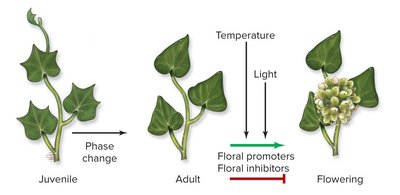
Phase Change
Phase change refers to the internal developmental changes that allow a plant to respond to signals that trigger flower formation. These changes may be visible (e.g., leaf shape or size) or subtle at the cellular level.
Juvenile Phase: Plant is not yet competent to flower.
Adult Phase: Plant can respond to flowering signals.
Genetic Pathways to Flowering
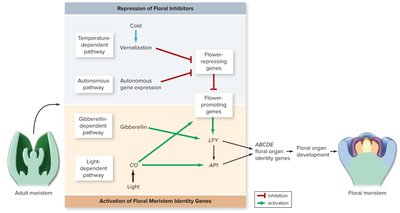
There are four main genetically regulated pathways that control flowering in plants. While a plant may rely primarily on one, all four can be present and interact:
Light-dependent pathway (Photoperiodic): Responds to changes in day length.
Temperature-dependent pathway: Responds to temperature cues, such as vernalization (exposure to cold).
Gibberellin-dependent pathway: Involves the plant hormone gibberellin, which promotes flowering in some species.
Autonomous pathway: Relies on internal signals and basic nutrition, independent of environmental cues.
Meristem Transition
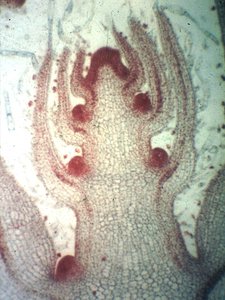
The transition from a vegetative meristem to a floral meristem is a key developmental step in flowering. This transition is regulated by the integration of signals from the four flowering pathways.
Light-Dependent Pathway (Photoperiodism)
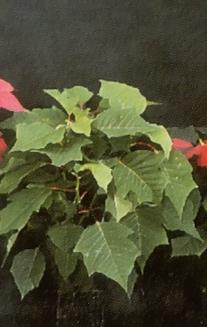
The photoperiodic pathway is regulated by the relative lengths of day and night. Plants are classified based on their flowering response to photoperiod:
Short-day plants: Flower when the day length is shorter than a critical value.
Long-day plants: Flower when the day length is longer than a critical value.
Day-neutral plants: Flowering is not affected by day length.
The critical factor is often the length of uninterrupted darkness (night length), not the day length itself.
Temperature-Dependent Pathway (Vernalization)
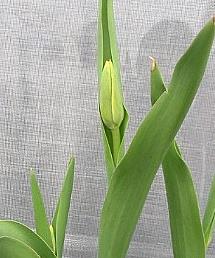
Some plants require exposure to a period of cold (vernalization) to induce flowering. This ensures that flowering occurs in favorable seasons, such as spring.
Vernalization: The process by which prolonged exposure to cold induces flowering.
Gibberellin-Dependent Pathway
Gibberellins are plant hormones that can promote flowering in some species. Decreased gibberellin levels can delay flowering. Gibberellin acts by increasing the expression of floral meristem identity genes such as LFY.
LFY gene: A key gene that promotes the transition to flowering.
Autonomous Pathway
The autonomous pathway regulates flowering independently of environmental cues, relying on internal signals and the plant's nutritional status. It balances floral promoting and inhibiting signals to determine flowering time.
Integration of Flowering Pathways
All four pathways converge to regulate the expression of floral meristem identity genes, such as LFY and AP1. These genes activate floral organ identity genes, which specify the development of sepals, petals, stamens, and carpels.
Fruit Ripening and Ethylene
Ethylene: The Gas Hormone
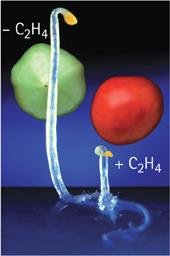
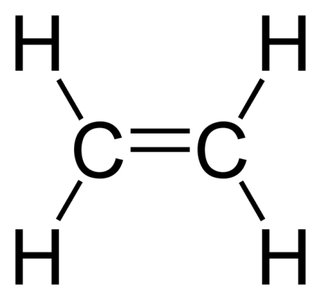
Ethylene is a gaseous plant hormone that plays a central role in fruit ripening, leaf abscission, and the regulation of senescence. It induces the 'triple response' in seedlings and is involved in the ripening of climacteric fruits.
Triple response: Reduced stem elongation, increased lateral growth, and horizontal growth in seedlings exposed to ethylene.
Climacteric and Non-Climacteric Fruits
Fruits are classified based on their ripening behavior:
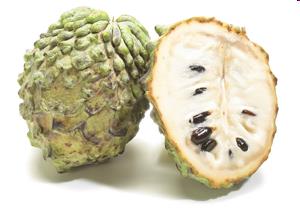
Climacteric fruits: Show a significant increase in respiration and ethylene production during ripening (e.g., tomato, banana, apple).
Non-climacteric fruits: Do not show a dramatic rise in respiration or ethylene production during ripening (e.g., grape, citrus).
Control of Fruit Ripening
Ripening can be controlled by manipulating ethylene levels or its action. Methods include:
Reducing oxygen concentration
Lowering temperature
Increasing CO2 concentration
Using inhibitors such as 1-MCP or STS to block ethylene action
Removing ethylene and O2 from storage environments
Senescence and Abscission
Senescence
Senescence is the regulated process leading to the death of plant organs or the whole plant. It is distinct from aging, which refers to unprogrammed changes over time. Senescence involves the breakdown of cellular components and is often associated with the end of the functional life of leaves, flowers, or fruits.
Leaf senescence: Loss of photosynthetic capacity, chlorophyll, proteins, nucleic acids, and other macromolecules.
Programmed cell death (PCD): Senescence can lead to PCD, a genetically controlled process.
Leaf Abscission
Abscission is the process by which plants shed leaves, flowers, or fruits. It involves the formation of an abscission zone at the base of the organ, where cell separation occurs due to enzymatic breakdown of the middle lamella (mainly by cellulase and pectinases).
Protective layer: Suberin-impregnated cells on the stem side prevent water loss and pathogen entry.
Separation layer: Swollen, gelatinous cells on the organ side facilitate detachment.
Color Change During Leaf Abscission
As leaves senesce, chlorophyll breaks down, revealing yellow and orange carotenoids. Red and blue pigments (anthocyanins and betacyanins) may also accumulate, resulting in the vibrant colors of autumn foliage.
Process | Description |
|---|---|
Senescence | Regulated process leading to organ or plant death, involving macromolecule breakdown and PCD |
Aging | Unprogrammed changes occurring with time |
Abscission | Shedding of leaves, flowers, or fruits via enzymatic cell separation in the abscission zone |
