 Back
Food Safety & Consumer Concerns: Biological, Chemical, and Physical Hazards
Study Guide - Smart Notes
 Tailored notes based on your materials, expanded with key definitions, examples, and context.
Food Safety: Foundations and Principles
Definition and Scope
Food safety refers to the set of conditions and practices used to prevent food from causing illness or injury. It encompasses handling, preparation, storage, sanitation, and process controls. While quality and safety often overlap, a food can appear normal and still be unsafe due to invisible hazards.
Key Point: Safe food is not necessarily risk-free or perfect; it is food where hazards are controlled.
Key Point: Food safety decisions occur daily, from choosing ingredients to cooking and storing food.

Foodborne Illness and Outbreaks
Definition and Causes
Foodborne illness is caused by consuming food contaminated with harmful biological, chemical, or physical agents. Symptoms and severity depend on the hazard, dose, and individual susceptibility. Not all foodborne illnesses are caused by toxins; some result from infection.
Key Point: An outbreak is defined as two or more people experiencing a similar illness after eating a common food.
Key Point: Isolated cases are harder to trace to a source compared to outbreaks.
Food Safety Hazards
Categories and Examples
Hazards are agents that can cause illness or injury if not controlled. They are classified as biological, chemical, or physical.
Biological Hazards: Bacteria, viruses, parasites
Chemical Hazards: Toxins, allergens, pesticides, cleaning agents
Physical Hazards: Foreign objects such as metal, glass, stones


Hazard vs. Undesirable Condition
Hazard: Can cause illness or injury (e.g., metal fragment, undeclared allergen).
Undesirable Condition: Affects quality or acceptability but may not pose a direct safety risk (e.g., hair, spoilage odor).
Biological Hazards
Bacteria: Infection vs. Intoxication
Intoxication: Toxin formed in food is consumed.
Infection: Live bacteria are consumed and grow or act in the body.
Prevention: Strategies depend on whether the concern is growth, survival, or toxin formation.
Conditions Favoring Bacterial Growth
Food and moisture
Favorable acidity
Time and temperature
Oxygen requirements (vary by organism)
Viruses in Food
Do not multiply in food; transferred by infected people, contaminated water, or surfaces.
Food may appear normal; personal hygiene and safe sources are critical controls.
Parasites
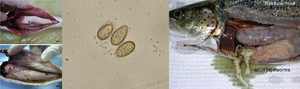
Require a host; include worms and protozoa.
Risk is higher with raw/undercooked foods or contaminated water.
Cooking and validated freezing are key controls.
Chemical Hazards
Types and Sources
Naturally Occurring: Marine toxins, mycotoxins, heavy metals
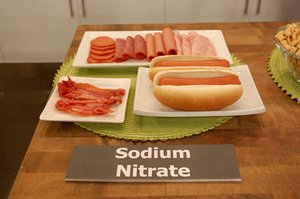
Intentionally Added: Preservatives, colors, nutrients
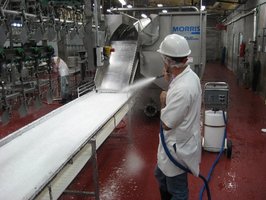
Unintentionally Introduced: Cleaners, lubricants, pesticides
Allergens: Ingredients causing reactions in sensitive consumers

How Chemicals Enter Food
Source or environment
Formulation or ingredient addition
Cleaning and maintenance activities
Cross-contact or incorrect labeling
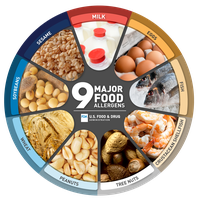
Major Food Allergens in the U.S.
Milk
Egg
Fish
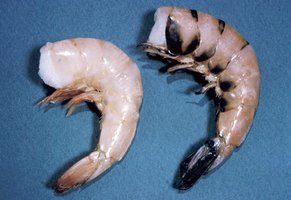
Crustacean shellfish
Tree nuts
Peanuts
Wheat
Soybeans
Sesame

Allergens: Hidden Sources and Labeling
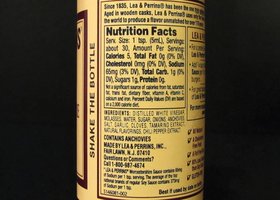
Allergens may be present in sauces, seasonings, breading, and marinades.
Example: Worcestershire sauce may contain fish ingredients.
Always check ingredient and allergen statements, not just product names.
Physical Hazards
Definition and Examples
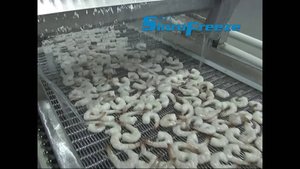
Physical hazards are foreign materials that can cause injury. They may arrive with raw materials or be introduced during processing.
Examples: Metal, glass, hard plastic, stones, bone fragments

Controlling Physical Hazards
Inspect equipment for wear or breakage
Maintain glass and brittle-plastic controls
Use screens, magnets, metal detection, or X-ray
Investigate findings and correct the source
Prevention Strategies
From Hazards to Prevention
Prevent contamination
Prevent growth or toxin formation
Reduce or eliminate hazards with effective controls
Verify that controls worked
Preventing Cross-Contamination
Keep raw foods away from ready-to-eat foods
Use clean hands, utensils, and surfaces
Store foods to prevent drips and spills
Cleaning removes soil; sanitizing reduces microorganisms
Four Key Consumer Actions
CLEAN: Wash hands and surfaces
SEPARATE: Keep raw foods apart from ready-to-eat foods
COOK: Use a food thermometer
CHILL: Refrigerate perishable foods promptly
Time and Temperature: The "Danger Zone"
Bacteria grow fastest in the temperature range where food is held at unsafe temperatures. Limiting time in this range and using a thermometer are essential.
Cooking Temperatures
Whole cuts of beef, pork, lamb, veal: 145°F (63°C) + 3-minute rest
Ground meats: 160°F (71°C)
Poultry: 165°F (74°C)
Reheated leftovers/casseroles: 165°F (74°C)
Chilling and Thawing
Refrigerate perishable foods promptly
Thaw in refrigerator, cold water, or microwave
Cook promptly after thawing
Marinate foods in refrigerator
Summary Table: Food Safety Hazard Categories
Hazard Category | Examples | Control Strategies |
|---|---|---|
Biological | Bacteria, viruses, parasites | Cooking, hygiene, safe sources |
Chemical | Toxins, allergens, pesticides | Labeling, correct use, storage |
Physical | Metal, glass, stones | Inspection, detection, equipment maintenance |
Key Concepts for Exam Preparation
Hazard Categories: Biological, Chemical, Physical
Infection vs. Intoxication: Infection is caused by live organisms growing in the body; intoxication is caused by toxins formed in food and consumed.
Preventing Contamination: Example: Washing hands and surfaces
Controlling Growth: Example: Refrigerating foods promptly
Example Scenario
A student prepares chicken, salad, and rice for friends.
Biological Hazard: Undercooked chicken (control: cook to 165°F)
Chemical Hazard: Allergen in salad dressing (control: check label)
Physical Hazard: Bone fragment in chicken (control: inspect and remove)
Equations and Formulas
Temperature Conversion:
Additional info:
Food safety is a multidisciplinary topic relevant to biology, chemistry, and public health. Understanding hazard categories and control strategies is essential for preventing foodborne illness and ensuring consumer safety.
