 Back
BackForests, Forest Management, and Protected Areas: Structure, Function, and Conservation
Study Guide - Smart Notes
 Tailored notes based on your materials, expanded with key definitions, examples, and context.
Forests: Structure, Types, and Importance
Definition and Global Distribution
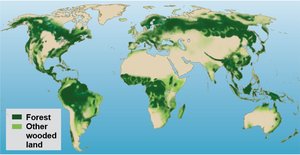
Forests are complex ecosystems dominated by trees and are found in various biomes such as boreal forests, tropical rainforests, and temperate deciduous forests. Forest types are often classified based on the dominant tree species, for example, beech-maple or spruce-fir forests. Covering approximately 31% of the Earth's land surface, forests are structurally complex and provide numerous ecological niches for diverse organisms.
Forest Biomes: Major types include boreal, temperate, and tropical forests.
Classification: Based on dominant tree species and geographic location.
Ecological Complexity: Multiple layers (canopy, understory, forest floor) support biodiversity.
Forest Structure
Forests are characterized by their vertical and horizontal structure, which influences light availability, species composition, and ecological processes. The structure includes the canopy, understory, shrub layer, and forest floor, each providing unique habitats and resources.
Canopy: Uppermost layer formed by mature tree crowns.
Understory: Layer beneath the canopy, consisting of smaller trees and shrubs.
Forest Floor: Ground layer rich in decomposing organic matter.
Resources and Ecosystem Services Provided by Forests
Forests offer a wide range of ecosystem services essential for environmental stability and human well-being.
Soil Conservation: Roots hold soil in place, preventing erosion and runoff.
Nutrient Cycling: Trees bring minerals from deeper soil layers and return organic matter to the surface.
Water Regulation: Forests filter pollutants and regulate water cycles.
Carbon Sequestration: Forests absorb and store atmospheric carbon dioxide, mitigating climate change.
Habitat Provision: Forests provide homes for countless species.
Human Benefits: Supply wood, recreation, and other products.
Loss of Forests and Deforestation
Deforestation: Causes and Consequences
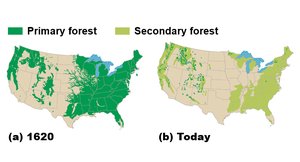
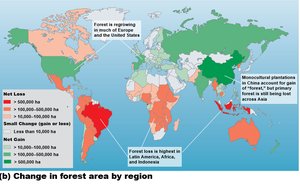
Deforestation is the removal of forests, often for timber harvest or to clear land for agriculture and development. This process can lead to soil degradation, desertification, and loss of biodiversity. Globally, about 7.6 million hectares of forest are lost annually, with only half of that area undergoing regrowth. Most remaining forests are secondary (regrown after previous harvest), with very little primary (virgin, never-cut) forest left.
Primary Forest: Untouched, original forest ecosystems.
Secondary Forest: Regrown after disturbance or harvest.
Environmental Impact: Soil erosion, loss of habitat, and reduced carbon storage.
Forest Loss in Developing Countries
Many developing countries still possess significant areas of primary forest but are experiencing rapid deforestation due to population growth and economic pressures. The loss is particularly severe in tropical regions, leading to dramatic declines in biodiversity. Much of the harvested wood is exported to wealthier nations. Strategies such as payments for ecosystem services and debt-for-nature swaps are being used to incentivize forest conservation.
Drivers: Economic development, agriculture (e.g., oil palm plantations), and timber export.
Conservation Strategies: International payments, debt-for-nature swaps.
Forest Management
History and Practices in the United States
Forest management in the US began in the late 1800s, with the establishment of the US Forest Service in 1905. The "wise use" philosophy, promoted by Gifford Pinchot, emphasizes sustainable resource use. The National Forest Management Act of 1976 mandates multiple-use management. Most timber harvest occurs on private lands, and the industry often uses plantation forestry, which results in even-aged stands with lower biodiversity and higher susceptibility to pests.
Even-aged Stands: Trees of similar age, less structural diversity.
Multiple-use Management: Balances timber production, recreation, and conservation.
Harvest Strategies
Different logging methods impact forest structure and regeneration:
Clear Cutting: All trees in an area are removed at once, leading to even-aged stands.
Seed-tree and Shelterwood: Some mature trees are left to provide seeds or shelter for regeneration; also result in even-aged stands.
Selection Cut: Only certain trees are harvested, creating uneven-aged stands and maintaining greater biodiversity.
Prescribed Fire and Wildlife
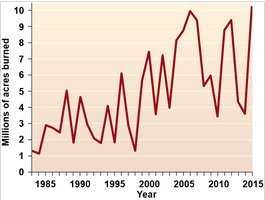
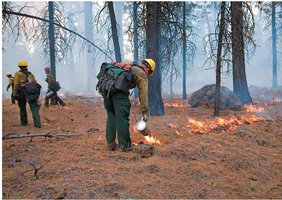
Fire is a natural part of many forest ecosystems. Decades of fire suppression have led to fuel buildup, increasing the intensity of wildfires. Prescribed fire, or controlled burning, is intentionally set to reduce fuel loads, recycle nutrients, and promote the regeneration of fire-adapted species.
Wildfire: Naturally occurring, often from lightning strikes.
Prescribed Fire: Managed burns to maintain ecosystem health.
Benefits: Reduces risk of severe wildfires, supports fire-dependent species.
Sustainable Forestry
Principles and Certification
Sustainable forestry aims to minimize environmental impacts and conserve resources for future generations. Practices include reducing soil and water disturbance, protecting wildlife, and maintaining forest productivity. Certification by organizations such as the Forest Stewardship Council (FSC) indicates adherence to sustainable practices, though these methods are often more costly and depend on consumer demand for certified products.
Soil and Water Protection: Minimize erosion and pollution.
Wildlife Conservation: Maintain habitat diversity.
Certification: FSC label for sustainably produced timber.
Protected Areas
Types and Importance
Protected areas are designated to conserve biodiversity, ecosystem services, and natural heritage. About 13% of the world's land area is under some form of protection.
National Parks: Large areas set aside for conservation and recreation (e.g., Yellowstone, established 1872).
National Wildlife Refuges: Areas managed for the protection of wildlife (e.g., Pelican Island, Florida).
National Forests: Managed for multiple uses, including timber, recreation, and conservation.
Wilderness Areas: Off-limits to development, allowing only minimal human impact.
State and Local Parks: Managed by state and local governments and land trusts.
Climate change poses challenges to the effectiveness of reserves, as shifting habitats may require new conservation strategies.
International Protected Areas
International efforts to protect biodiversity include biosphere reserves, World Heritage Sites, and marine reserves.
Biosphere Reserves: Areas of exceptional biodiversity managed for sustainable development, often with core, buffer, and transition zones.
World Heritage Sites: Protected for their natural or cultural value, often involving multiple nations.
Marine Reserves: Protect ocean and coastal ecosystems; currently, 1.6% of oceans and 7.2% of coastal waters are protected.
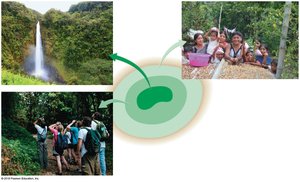
Table: Comparison of Forest Harvest Strategies
Strategy | Description | Resulting Stand Structure | Biodiversity Impact |
|---|---|---|---|
Clear Cutting | All trees removed at once | Even-aged | Low |
Seed-tree | Few mature trees left for reseeding | Even-aged | Low to moderate |
Shelterwood | Some mature trees left for shelter | Even-aged | Moderate |
Selection Cut | Only selected trees harvested | Uneven-aged | High |
