 Back
Foundations of Biology: Emergent Properties, Cell Theory, and Evolution
Study Guide - Smart Notes
 Tailored notes based on your materials, expanded with key definitions, examples, and context.
Foundations of Biology
What is Biology? What is Life?
Biology is the scientific study of life and living organisms. Life is characterized by a high degree of order and organization, which is evident at multiple structural levels. Understanding biology requires examining these levels, from atoms to ecosystems, and recognizing the emergent properties that arise at each stage.
Emergent Properties: New characteristics that arise at each level of biological organization, not present in the preceding level.
Hierarchy of Structural Levels: Atoms → Molecules → Organelles → Cells → Tissues → Organs → Organ Systems → Organisms → Populations → Communities → Ecosystems.
Order: Life’s basic characteristic is a high degree of order, with each level building upon the previous.
Biological Organization: From Molecules to Ecosystems
Each level of biological organization is built upon the previous, with increasing complexity and emergent properties.
Atoms: The smallest units of matter, forming molecules.
Molecules: Groups of atoms bonded together, forming the basis of biological structures.
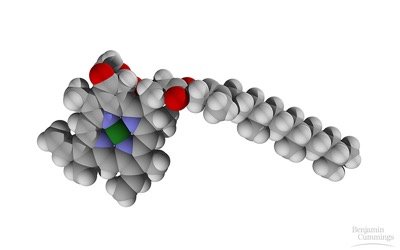
Organelles: Specialized structures within cells that perform distinct functions.
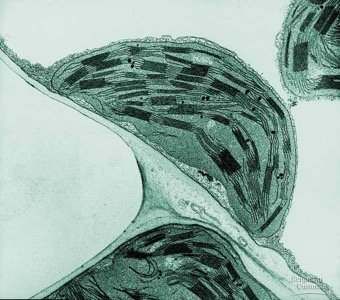
Cells: The basic unit of life; can be unicellular or multicellular.
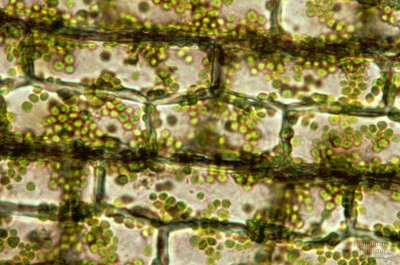
Tissues: Groups of similar cells working together.
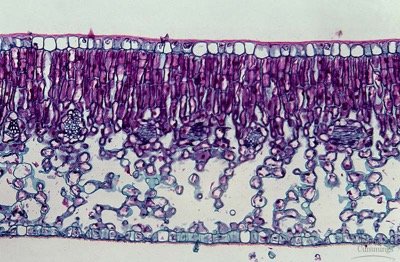
Organs: Structures composed of multiple tissues performing specific functions.

Organisms: Individual living entities.

Populations: Groups of organisms of the same species in a given area.
Communities: Populations of different species living together in an area.
Ecosystems: Communities interacting with their physical environment.
Cells: The Basic Unit of Structure and Function
The cell is the lowest level of structure capable of performing all activities of life. The discovery and study of cells led to the development of cell theory, a fundamental concept in biology.
Cell Theory:
All living things consist of cells.
All cells come from other cells.
All cells are enclosed by a membrane regulating material passage.
All cells contain DNA at some point.
Historical Figures: Robert Hooke (first observed cells), Anton van Leeuwenhoek (observed single-celled organisms), Schleiden & Schwann (formulated cell theory).
Types of Cells: Prokaryotic vs. Eukaryotic
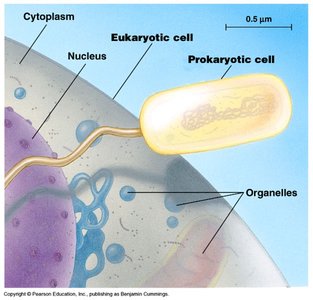
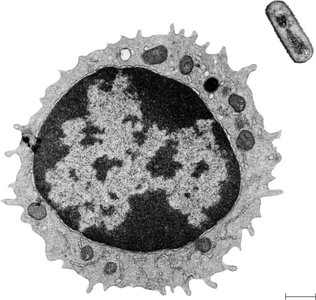
Cells are classified into two major types based on structural organization: prokaryotic and eukaryotic.
Prokaryotic Cells: Lack a nucleus and membrane-bound organelles; found in Bacteria and Archaea.
Eukaryotic Cells: Have a nucleus and membrane-bound organelles; found in Protista, Plantae, Fungi, and Animalia.
Heritable Information: DNA and Genes
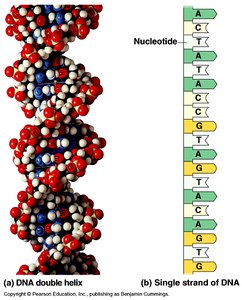
Life’s continuity is based on heritable information encoded in DNA. DNA is the substance of genes, which transmit information from parents to offspring.
DNA (Deoxyribonucleic Acid): The molecule that stores genetic information.
Genes: Units of inheritance that direct cellular activities.
Energy and Interaction with the Environment
Organisms are open systems, constantly exchanging energy and matter with their environment. Energy transformation is essential for life, with ordered energy brought in and unordered energy released.
Energy Exchange: Organisms transform energy from one form to another (e.g., photosynthesis, cellular respiration).
Open Systems: Continuous interaction with surroundings.
Regulatory Mechanisms: Feedback in Biological Systems
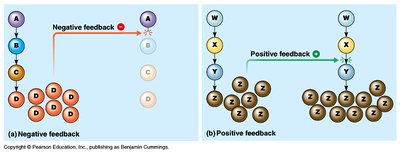
Biological processes are regulated to maintain balance. Enzymes catalyze reactions, and feedback mechanisms control the rate and outcome of processes.
Enzymes: Proteins that catalyze chemical reactions.
Negative Feedback: Output slows or stops the process.
Positive Feedback: Output speeds up the process.
Evolution, Unity, and Diversity
Evolution: The Core Theme of Biology
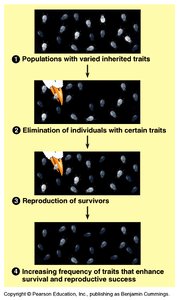
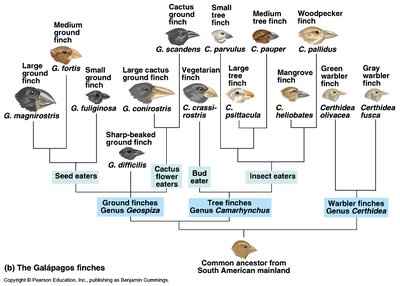
Evolution explains both the unity and diversity of life. Charles Darwin’s theory of evolution by natural selection is central to understanding biological diversity.
Descent with Modification: Contemporary species arise from ancestors through evolutionary change.
Natural Selection: Mechanism by which evolution occurs, based on variation and differential survival.
Taxonomy: Categorizing Life
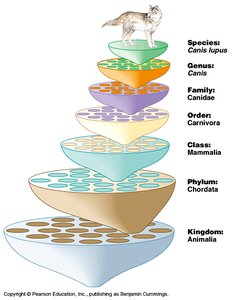
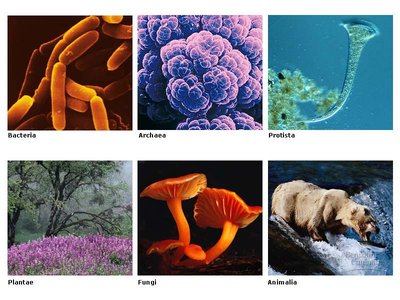
Taxonomy is the branch of biology that names and classifies species into a hierarchical order. The three domains of life are Bacteria, Archaea, and Eukarya, with Eukarya further divided into kingdoms.
Domains: Bacteria, Archaea (both prokaryotic), Eukarya (includes Protista, Plantae, Fungi, Animalia).
Hierarchical Classification: Kingdom → Phylum → Class → Order → Family → Genus → Species.
Scientific Inquiry and Process
Science as Inquiry: Observations and Hypotheses
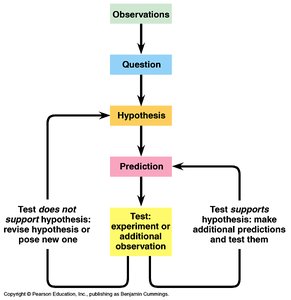
Science is a process of inquiry involving repeatable observations and testable hypotheses. Experiments are designed to test predictions derived from hypotheses.
Variables:
Independent: What is changed in the experiment.
Dependent: What is measured.
Standardized: What is held constant.
Control: The baseline for comparison.
Theory vs. Hypothesis: A hypothesis is a testable explanation; a theory is a broader, well-supported explanation.
Reductionism and Emergent Properties
Reductionism is the approach of breaking down complex systems into simpler components. While powerful, it must be balanced with the understanding of emergent properties that arise from the interaction of parts.
Reductionism: Analyzing parts to understand the whole.
Emergent Properties: New characteristics that arise from the arrangement and interaction of parts.
Conclusion
The study of biology is rooted in understanding the structural hierarchy of life, the cell theory, the role of DNA, energy transformation, regulatory mechanisms, and the evolutionary processes that drive diversity and unity. Scientific inquiry and classification provide frameworks for exploring and explaining the complexity of living systems.
