 Back
BackFoundations of General Biology: Cells, Genetics, and the Diversity of Life
Study Guide - Smart Notes
 Tailored notes based on your materials, expanded with key definitions, examples, and context.
Introduction to Biology and Scientific Inquiry
The Nature of Scientific Inquiry
Biology is the scientific study of life, encompassing a wide range of topics from the molecular basis of life to the diversity of organisms. Scientific inquiry in biology relies on observation, experimentation, and data analysis to understand living systems.
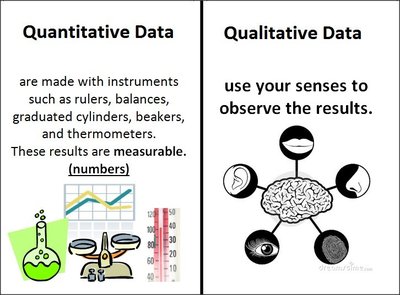
Quantitative Data: Data that are measurable and expressed in numbers, often collected using scientific instruments such as rulers, balances, and thermometers.
Qualitative Data: Data that are descriptive and collected using the senses, such as color, texture, or smell.
The Unity and Diversity of Life
Classification of Life Forms
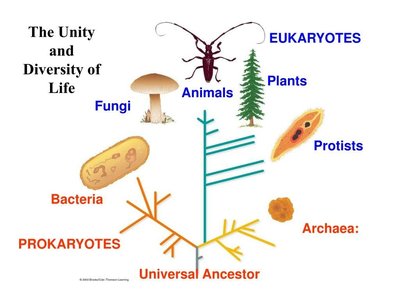
All living organisms share certain characteristics, but they also exhibit remarkable diversity. Life is classified into three domains: Bacteria, Archaea, and Eukarya. Eukarya includes protists, fungi, plants, and animals.
Prokaryotes: Organisms without a nucleus (Bacteria and Archaea).
Eukaryotes: Organisms with a nucleus (Protists, Fungi, Plants, Animals).
Universal Ancestor: All life shares a common ancestor, as depicted in phylogenetic trees.
Cell Structure and Function
Prokaryotic vs. Eukaryotic Cells
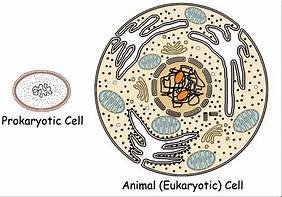
Cells are the basic units of life. They are classified as prokaryotic or eukaryotic based on their internal structure.
Prokaryotic Cells: Lack a nucleus and membrane-bound organelles. DNA is located in the nucleoid region.
Eukaryotic Cells: Have a nucleus and various membrane-bound organelles. Found in animals, plants, fungi, and protists.
Structure of a Typical Prokaryotic Cell
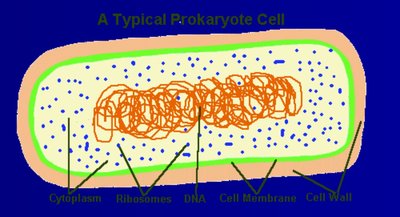
Cytoplasm: Gel-like substance inside the cell membrane.
Ribosomes: Sites of protein synthesis.
DNA: Genetic material, usually a single circular chromosome.
Cell Membrane: Regulates entry and exit of substances.
Cell Wall: Provides structural support and protection.
Genetic Material and Organization
DNA, Genes, and Chromosomes
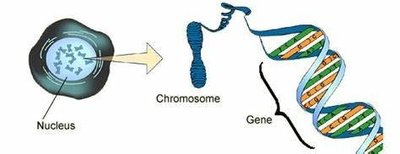
Genetic information is stored in DNA, which is organized into genes and chromosomes within the cell.
DNA (Deoxyribonucleic Acid): The molecule that carries genetic instructions for life.
Gene: A segment of DNA that codes for a specific protein or function.
Chromosome: A structure composed of DNA and proteins that contains many genes.
Nucleus: The organelle in eukaryotic cells where chromosomes are located.
Structure of DNA
DNA is a double helix composed of two strands of nucleotides. The sequence of bases (adenine, thymine, cytosine, guanine) encodes genetic information.
Double Helix: The shape of DNA, consisting of two intertwined strands.
Base Pairing: Adenine pairs with thymine, and cytosine pairs with guanine.
Major Groups of Eukaryotes
Overview of Eukaryotic Diversity
Eukaryotes include a wide variety of organisms, classified into major groups such as animals, plants, fungi, and protists. Each group exhibits unique characteristics and adaptations.
Animals: Multicellular, heterotrophic organisms.
Plants: Multicellular, autotrophic organisms that perform photosynthesis.
Fungi: Mostly multicellular, heterotrophic organisms that decompose organic material.
Protists: Mostly unicellular eukaryotes with diverse lifestyles.
Examples of Eukaryotic Organisms
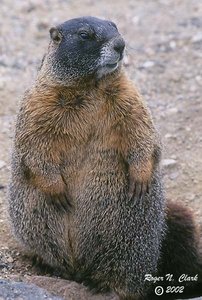
Animals: Birds (e.g., pelican), mammals (e.g., groundhog).
Plants: Flowering plants (e.g., bluebonnets).
Fungi: Mushrooms (e.g., Amanita species).



Summary Table: Prokaryotes vs. Eukaryotes
Feature | Prokaryotes | Eukaryotes |
|---|---|---|
Nucleus | No | Yes |
Membrane-bound Organelles | No | Yes |
DNA Structure | Circular | Linear (in chromosomes) |
Examples | Bacteria, Archaea | Animals, Plants, Fungi, Protists |
Conclusion
Understanding the structure and function of cells, the organization of genetic material, and the diversity of life forms is fundamental to the study of biology. These concepts provide the foundation for exploring more complex biological processes and systems.
