 Back
Functional Groups in Biomolecules: Structure, Properties, and Biological Relevance
Study Guide - Smart Notes
 Tailored notes based on your materials, expanded with key definitions, examples, and context.
Biomolecules and Functional Groups
Introduction to Functional Groups
Functional groups are specific groups of atoms within molecules that have characteristic properties and chemical reactivity. They play a crucial role in the structure and function of biomolecules, influencing their behavior in biological systems. Understanding functional groups is essential for studying the chemistry of life, as they determine the properties of organic molecules found in living organisms.
Major Functional Groups in Biology
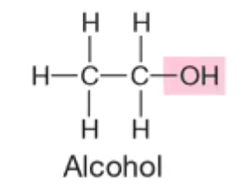
Hydroxyl Group
The hydroxyl group consists of an oxygen atom bonded to a hydrogen atom (-OH). Compounds containing hydroxyl groups are known as alcohols. This group is commonly found in carbohydrates and some lipids.
Structure: -OH
Name of Compounds: Alcohols
Found in: Carbohydrates, some lipids
Properties: Polar, forms hydrogen bonds, increases solubility in water
Example: Ethanol (C2H5OH)
Carbonyl Group
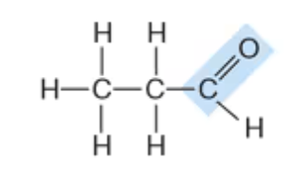
The carbonyl group features a carbon atom double-bonded to an oxygen atom (C=O). It is found in two main types of compounds: aldehydes (when at the end of a carbon chain) and ketones (when within the chain). Carbonyl groups are present in carbohydrates and play a role in their reactivity.
Structure: C=O
Name of Compounds: Aldehydes and Ketones
Found in: Carbohydrates
Properties: Polar, increases reactivity, can participate in hydrogen bonding
Example: Acetaldehyde (CH3CHO)
Carboxyl Group
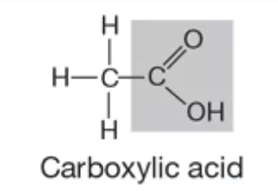
The carboxyl group is composed of a carbonyl and a hydroxyl group attached to the same carbon (-COOH). Compounds with this group are called carboxylic acids. This group is found in amino acids, fatty acids, and proteins.
Structure: -COOH
Name of Compounds: Carboxylic acids
Found in: Amino acids, fatty acids, proteins
Properties: Acidic (can donate H+), polar, forms hydrogen bonds
Example: Acetic acid (CH3COOH)
Amino Group
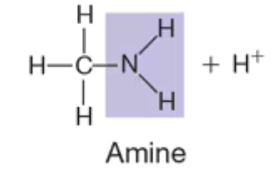
The amino group consists of a nitrogen atom bonded to two hydrogen atoms (-NH2). Compounds containing this group are called amines. Amino groups are found in amino acids and proteins, where they act as bases.
Structure: -NH2
Name of Compounds: Amines
Found in: Amino acids, proteins
Properties: Basic (can accept H+), polar
Example: Glycine (NH2CH2COOH)
Phosphate Group
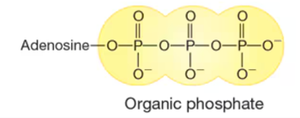
The phosphate group contains a phosphorus atom bonded to four oxygen atoms (-PO42-). Compounds with this group are called organic phosphates. Phosphate groups are essential in nucleic acids (DNA, RNA) and energy transfer molecules like ATP.
Structure: -PO42-
Name of Compounds: Organic phosphates
Found in: Nucleic acids, ATP
Properties: Negatively charged, involved in energy transfer
Example: Adenosine triphosphate (ATP)
Methyl Group
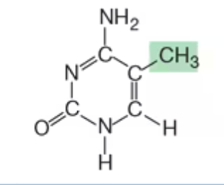
The methyl group consists of a carbon atom bonded to three hydrogen atoms (-CH3). Compounds with methyl groups are called alkanes or methylated compounds. Methyl groups are found in lipids, DNA, and proteins, where they can affect gene expression and molecular interactions.
Structure: -CH3
Name of Compounds: Alkanes, methylated compounds
Found in: Lipids, DNA, proteins
Properties: Nonpolar, hydrophobic, can affect gene expression (methylation)
Example: 5-methylcytosine (a methylated DNA base)
Summary Table: Functional Groups in Biomolecules
Functional Group | Structure | Name of Compounds | Found in Biomolecules | Key Properties |
|---|---|---|---|---|
Hydroxyl | -OH | Alcohols | Carbohydrates, some lipids | Polar, forms H-bonds |
Carbonyl | C=O | Aldehydes, Ketones | Carbohydrates | Polar, reactive |
Carboxyl | -COOH | Carboxylic acids | Amino acids, fatty acids, proteins | Acidic, polar |
Amino | -NH2 | Amines | Amino acids, proteins | Basic, polar |
Phosphate | -PO42- | Organic phosphates | Nucleic acids, ATP | Negative charge, energy transfer |
Methyl | -CH3 | Alkanes, methylated compounds | Lipids, DNA, proteins | Nonpolar, hydrophobic |
Conclusion
Functional groups are fundamental to the structure and function of biomolecules. Their presence determines the chemical properties and biological roles of organic molecules, making them essential for understanding biochemistry and molecular biology.
