 Back
BackFundamental Concepts in General Biology: Atoms, Biomolecules, and Chemical Bonds CHP 3
Study Guide - Smart Notes
 Tailored notes based on your materials, expanded with key definitions, examples, and context.
Class 2 Recap and Objectives
Defining Life and Its Components
Biology seeks to understand the characteristics and requirements of living organisms. The definition of "living" can vary, but in this course, life is defined by the presence of cells, biomolecules, and the ability to carry out essential functions.
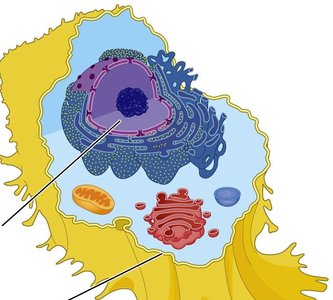
Cells are the basic units of life.
There are different types of cells, which can be compared based on structure and function.
Biomolecules—lipids, nucleic acids, proteins, and carbohydrates—are essential for supporting life.
Biomolecules and Their Roles
Biomolecules are organic compounds that play critical roles in cellular structure and function.
Lipids: Found in cell membranes and used for energy storage.
Nucleic Acids: DNA and RNA, responsible for genetic information storage and transmission.
Proteins: Serve as enzymes, structural components, and signaling molecules.
Carbohydrates: Provide energy and structural support.
Atoms and Elements in Biology
Basic Structure of Matter
All matter is composed of elements, which are made up of atoms. Atoms consist of a nucleus (containing protons and neutrons) and electrons that orbit the nucleus in shells.
Atomic number: Number of protons in the nucleus; defines the element.
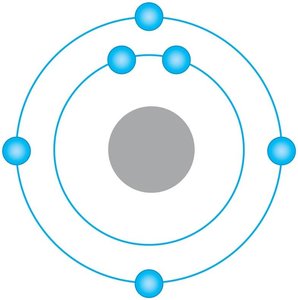
Electron shells: Electrons occupy specific energy levels or shells around the nucleus.
Atoms are most stable when their outer (valence) shell is full.
Elements Essential for Life
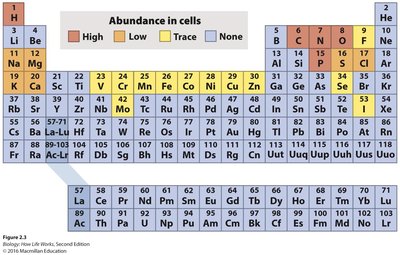
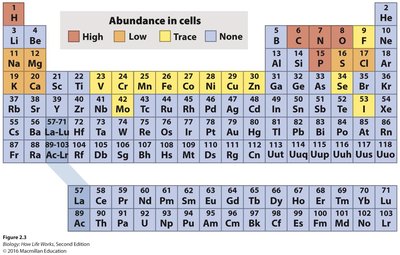
Only a subset of elements are abundant in living cells. These include:
Carbon (C)
Hydrogen (H)
Oxygen (O)
Nitrogen (N)
Phosphorus (P)
Sulfur (S)
Electron Shells and Stability
Atoms strive for stability by filling their electron shells. The first shell holds up to 2 electrons, the second up to 8. Atoms with incomplete shells tend to interact with other atoms to achieve stability.
Atoms can share, donate, or receive electrons to complete their valence shell.
These interactions result in chemical bonds.
Chemical Bonds and Interactions
Covalent Bonds
Covalent bonds involve the sharing of electron pairs between atoms. This type of bond is common in biological molecules.
Non-polar covalent bonds: Electrons are shared equally between atoms.
Polar covalent bonds: Electrons are shared unequally, resulting in partial charges (δ+ and δ-).


Ionic Bonds
Ionic bonds occur when electrons are transferred from one atom to another, creating ions with opposite charges that attract each other.
Example: Sodium (Na) donates an electron to Chlorine (Cl), forming Na+ and Cl-.
Electronegativity and Bond Type
Electronegativity is the ability of an atom to attract shared electrons. The difference in electronegativity between two atoms determines the type of bond formed:
Small difference: Non-polar covalent bond
Moderate difference: Polar covalent bond
Large difference: Ionic bond

Biomolecular Structure and Function
Polarity in Biomolecules
Biomolecules often exhibit polarity due to differences in electronegativity among their constituent atoms. This polarity affects their structure and function in cells.
Polar molecules interact well with water (hydrophilic).
Non-polar molecules do not interact well with water (hydrophobic).
Summary Table: Types of Chemical Bonds
The following table summarizes the main types of chemical bonds found in biological molecules:
Bond Type | Electron Interaction | Charge Distribution | Example |
|---|---|---|---|
Non-polar Covalent | Equal sharing | No charge difference | H2, C-H |
Polar Covalent | Unequal sharing | Partial charges (δ+ and δ-) | H2O, N-H |
Ionic | Electron transfer | Full charges | NaCl |
Key Concepts for Exam Preparation
Atoms interact via bonds to form molecules.
Bonds are important for the structure and function of biomolecules.
Biomolecules have polarity due to differences in electronegativity.
Chemical properties of biomolecules impart functional capabilities.
Additional info:
Understanding the periodic table and the abundance of elements in cells is foundational for studying biochemistry and cell biology.
Practice identifying bond types based on electronegativity values and molecular structure.
