 Back
Fundamental Concepts of Life and Cell Types: General Biology Study Notes
Study Guide - Smart Notes
 Tailored notes based on your materials, expanded with key definitions, examples, and context.
Introduction to Biology
The Science of Life
Biology is the scientific study of life and its processes. It seeks to understand how living organisms function, interact, and evolve. The definition of life has been debated by scientists and philosophers, but several key properties are widely accepted as fundamental to living systems.
Life is a self-sustained chemical system capable of undergoing Darwinian evolution.
Life is a self-replicating, evolving system based on organic chemistry.
Life distinguishes a vital and functional being from a dead body.
Properties of Life
Essential Characteristics
All living organisms share several essential properties that define life. These properties are supported by biomolecules and cellular structures.
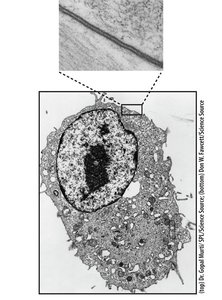
Membrane delimited: Life is enclosed by membranes, which separate internal environments from external surroundings.
Cellular organization: Life is made up of cells, the basic unit of structure and function.
Information storage and transmission: Life stores genetic information and follows instructions encoded in nucleic acids.
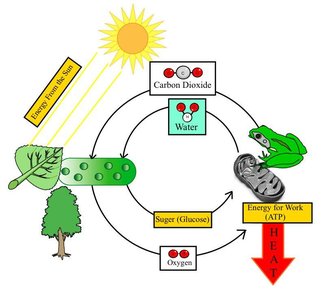
Energy transformation: Life stores and uses energy to perform work.
Self-replication: Life can reproduce and make copies of itself.
Response to environment: Life controls its functions and responds to external stimuli.
Evolution: Life evolves over generations through changes in heritable traits.
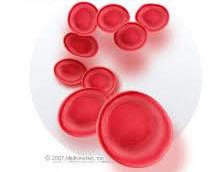
Example: Mature Red Blood Cell
Mature red blood cells lack DNA, mitochondria, and the ability to divide, illustrating exceptions to some properties of life.
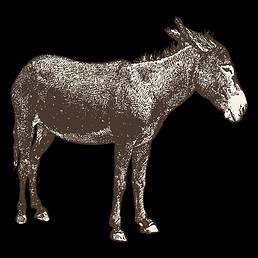
Example: Mule
The mule is a hybrid animal that cannot reproduce, showing that not all living things meet every property perfectly.
Biomolecules Supporting Life
Main Classes of Biomolecules
Four major biomolecules are essential for life, each supporting different properties:
Lipids: Form membranes, provide energy, and insulation.
Carbohydrates: Store and provide energy.
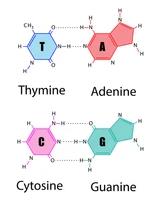
Nucleic Acids: Store and transmit genetic information (DNA, RNA).
Proteins: Catalyze reactions, provide structure, and facilitate response to environment.
Nucleic Acids: Information Storage and Transmission
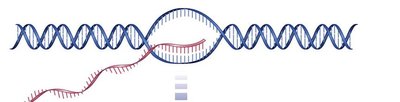
Nucleic acids such as DNA and RNA are responsible for storing and transmitting genetic information. DNA encodes instructions for life, while RNA plays roles in protein synthesis and regulation.
DNA: Deoxyribonucleic acid, stores genetic information.
mRNA: Messenger RNA, carries instructions from DNA to ribosomes.
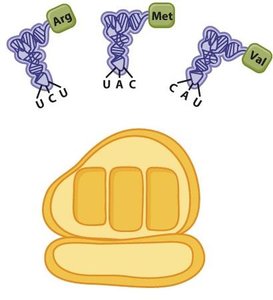
tRNA: Transfer RNA, brings amino acids to ribosomes during translation.
rRNA: Ribosomal RNA, forms part of the ribosome structure.
Self-Replication
All biomolecules facilitate the process of self-replication, allowing cells and organisms to reproduce and pass on genetic information.
Membrane Delimitation: Lipids
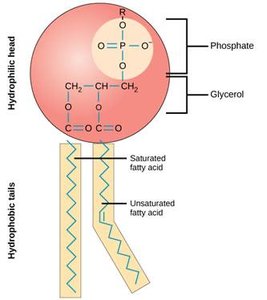
Lipids are crucial for forming cell membranes, which provide compartmentation and selective permeability. Membranes allow cells to maintain internal environments distinct from their surroundings.
Phospholipids: Main component of cell membranes, with hydrophilic heads and hydrophobic tails.
Functions: Compartmentation, energy storage, insulation.
Energy Storage and Use
Cells convert energy from sunlight or organic compounds into ATP, the universal energy currency. ATP is a nucleic acid used by cells to perform work.
Sources: Sunlight (photosynthesis), organic compounds (cellular respiration).
ATP: Adenosine triphosphate, stores energy for cellular processes.
Monomers to Polymers
Biomolecules are often built from smaller units (monomers) that form larger structures (polymers):
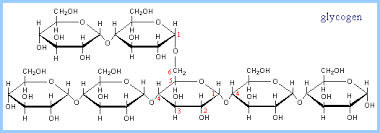
Carbohydrates: Monosaccharides (e.g., glucose) form polysaccharides (e.g., glycogen).
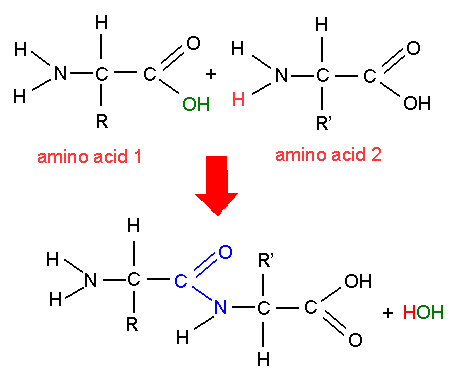
Amino acids: Monomers that form proteins (polypeptides).
Control and Response: Proteins
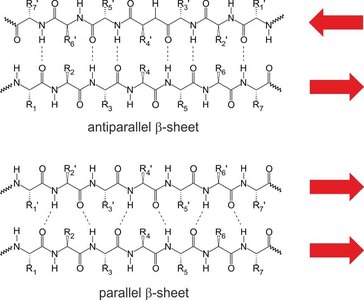
Proteins facilitate cellular control and response to environmental changes. They act as enzymes, receptors, and structural components.
Evolution
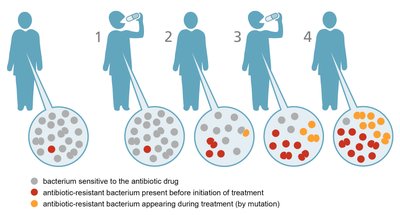
Evolution is the change in heritable characteristics of biological populations over successive generations. It is a fundamental property of life, driven by genetic variation and natural selection.
The Cell: The Basic Unit of Life
Cellular Organization
The cell is the smallest unit that meets all properties of life. Organisms may be unicellular or multicellular, but all are composed of cells.
Types of Cells
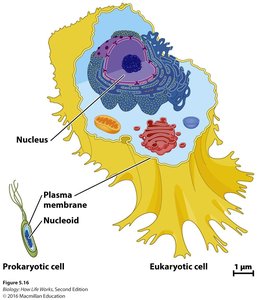
Cells are classified into two main types: prokaryotic and eukaryotic.
Prokaryotic Cells: Archaea and Bacteria. No nucleus, circular DNA, small size (0.1-5 microns), often lack membrane-bound organelles, fast replication.
Eukaryotic Cells: Protozoa, Fungi, Plants, Animals. Nucleus and membrane-bound organelles, linear DNA (chromosomes), larger size (1-100 microns).

Are Viruses Alive?
Viruses exhibit some properties of life, such as storing and following instructions, evolving, and responding to the environment. However, they lack independent energy storage and self-replication outside host cells, making their status as living entities debatable.
Summary Table: Properties of Life and Biomolecules
Property of Life | Biomolecule(s) Supporting | Example |
|---|---|---|
Membrane delimited | Lipids | Cell membrane |
Information storage/transmission | Nucleic Acids | DNA, RNA |
Energy storage/use | Carbohydrates, Lipids, Proteins, ATP | Glucose, ATP |
Self-replication | All biomolecules | Cell division |
Control/response | Proteins | Enzymes, receptors |
Evolution | Nucleic Acids | Genetic variation |
Class Recap/Objectives
Practice designing controls in experiments
Understand that the definition of "living" can vary
Set up course definition of life
Introduce biomolecules and their roles in supporting life
Know that cells are the units of life
Know types of cells and compare them
