 Back
BackFundamental Properties of Life and Biomolecules: Introduction to Cells CHP 2
Study Guide - Smart Notes
 Tailored notes based on your materials, expanded with key definitions, examples, and context.
Introduction to Biology
What Is Biology?
Biology is the scientific study of life, encompassing the structure, function, growth, origin, evolution, and distribution of living organisms. It seeks to understand how life works at all levels, from molecules to ecosystems.
Definitions of Life
Scientists and philosophers have proposed several definitions of life, focusing on its self-sustaining, replicating, and evolving nature:
Self-sustained chemical system capable of undergoing Darwinian evolution (Joyce 1995, NASA definition)
Self-replicating, evolving system based on organic chemistry (Page 2001)
Vital quality distinguishing living from non-living (medical definition)
Fundamental Properties of Life
Core Characteristics
All living things share several essential properties:
Membrane delimited: Surrounded by a selectively permeable membrane
Cellular organization: Composed of one or more cells
Information storage and transmission: Genetic instructions stored and followed
Energy storage and use: Ability to store and utilize energy
Self-replication: Capable of reproducing
Response to environment: Regulates internal functions and adapts to external changes
Evolution: Changes in heritable traits over generations
Biomolecules Supporting Life
Four main classes of biomolecules facilitate these properties:
Lipids: Form membranes, store energy
Carbohydrates: Provide energy, structural support
Nucleic Acids: Store and transmit genetic information
Proteins: Catalyze reactions, provide structure, regulate functions
Biomolecules and Their Functions
Lipids: Membrane Formation
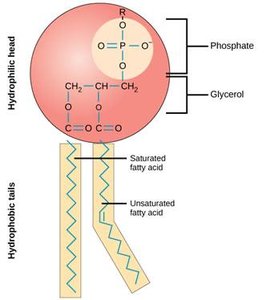
Lipids are hydrophobic molecules that form the selectively permeable barriers of cells, enabling compartmentalization and protection.
Phospholipids: Major component of cell membranes, with hydrophilic heads and hydrophobic tails
Function: Create a boundary, regulate transport, and maintain cellular integrity
Nucleic Acids: Information Storage and Transmission
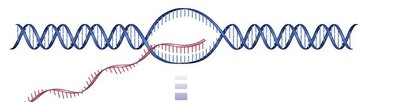
Nucleic acids, such as DNA and RNA, are polymers of nucleotides that store and transmit genetic information essential for life.
DNA: Stores genetic instructions
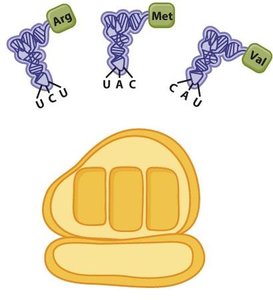
RNA: Transmits instructions and facilitates protein synthesis
Carbohydrates: Energy Storage and Structure
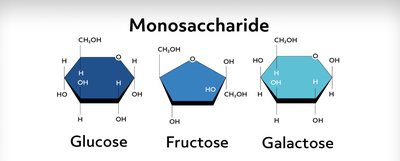
Carbohydrates are organic molecules composed of monosaccharides, which serve as energy sources and structural components.
Monosaccharides: Simple sugars (e.g., glucose, fructose, galactose)
Polysaccharides: Complex carbohydrates (e.g., starch, cellulose)
Proteins: Function and Response
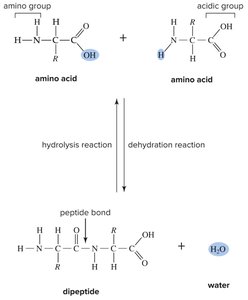
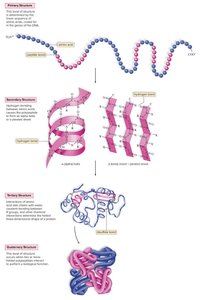
Proteins are polymers of amino acids that perform a wide range of functions, including catalysis, structure, signaling, and response to environmental changes.
Enzymes: Catalyze biochemical reactions
Structural proteins: Provide support and shape
Regulatory proteins: Control cellular processes
Energy in Biological Systems
ATP: Cellular Energy Currency
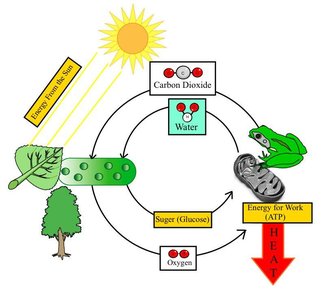
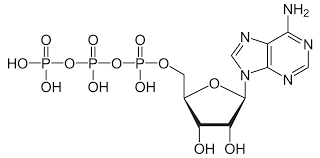
Cells convert energy from sunlight or organic compounds into ATP, a nucleotide that powers cellular work.
ATP (Adenosine Triphosphate): Stores and releases energy for cellular processes
Energy sources: Sunlight (photosynthesis), organic compounds (cellular respiration)
Evolution: Change Over Generations
Definition and Importance
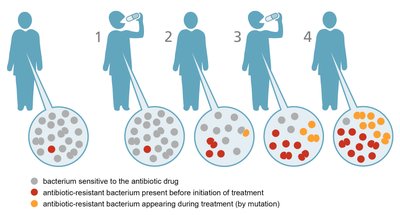
Evolution is the change in heritable characteristics of biological populations over successive generations, driven by mechanisms such as mutation, selection, and genetic drift.
Heritable traits: Passed from parent to offspring
Population change: Leads to adaptation and diversity
Cells: The Fundamental Unit of Life
Cell Theory and Essential Features
Cells are the smallest units that exhibit all properties of life. All organisms are composed of one or more cells, which carry out essential functions.
Cell theory: All living things are made of cells; cells are the basic unit of life; all cells arise from pre-existing cells
Types of cells: Prokaryotic and eukaryotic
Prokaryotic Cells: Archaea and Bacteria
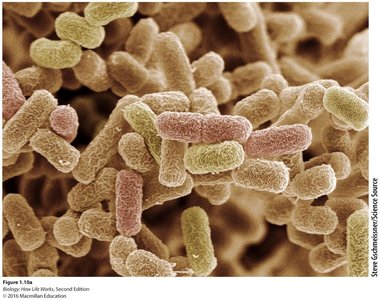
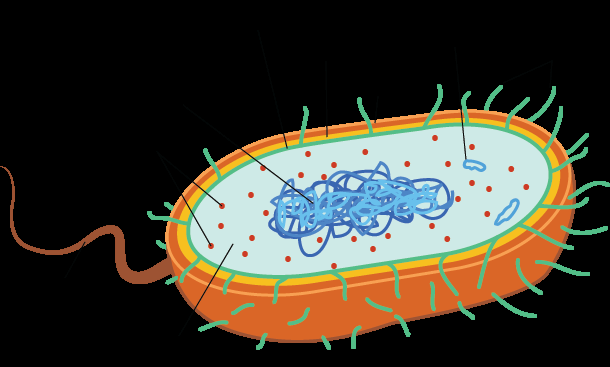
Prokaryotic cells lack a nucleus and membrane-bound organelles. They are typically small, with circular DNA and rapid replication.
No nucleus: DNA is free in the cytoplasm
Small size: 0.1–5 microns
Fast replication: Efficient reproduction
Eukaryotic Cells: Membrane-Bound Nucleus and Organelles
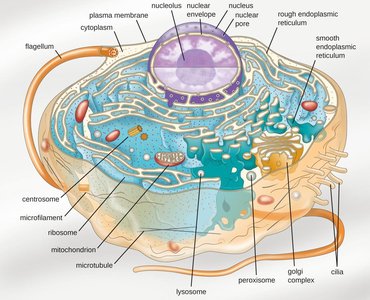
Eukaryotic cells possess a nucleus and various membrane-bound organelles, allowing compartmentalization and specialization of functions.
Nucleus: Contains genetic material
Organelles: Specialized structures (e.g., mitochondria, endoplasmic reticulum)
Summary Table: Biomolecules and Properties of Life
Biomolecule | Main Function | Property of Life Supported |
|---|---|---|
Lipids | Membrane formation, energy storage | Membrane delimited, energy use |
Carbohydrates | Energy source, structure | Energy storage and use |
Nucleic Acids | Information storage and transmission | Instruction storage, replication, evolution |
Proteins | Catalysis, structure, regulation | Function control, response, replication |
Class Recap/Objectives
Practice designing controlled experiments
Understand varying definitions of "living"
Set up course definition of life
Introduce biomolecules and their roles
Recognize cells as the units of life
Compare types of cells: prokaryotic vs. eukaryotic
