 Back
BackFundamental Properties of Life and Cellular Organization
Study Guide - Smart Notes
 Tailored notes based on your materials, expanded with key definitions, examples, and context.
Introduction to Biology
The Science of Life
Biology is the scientific study of life, encompassing the structure, function, growth, origin, evolution, and distribution of living organisms. Scientists and philosophers have defined life in various ways, but most agree that life is characterized by self-sustaining chemical systems capable of Darwinian evolution, self-replication, and responsiveness to the environment.
Life is membrane delimited: All living things are separated from their environment by a membrane.
Life is made up of cells: The cell is the fundamental unit of life.
Life stores and follows instructions: Genetic information is stored and transmitted.
Life stores and uses energy: Energy is required for cellular processes.
Life is self-replicating: Organisms reproduce themselves.
Life controls its functions and responds to the environment: Regulation and adaptation are essential.
Life is evolving: Populations change over generations.
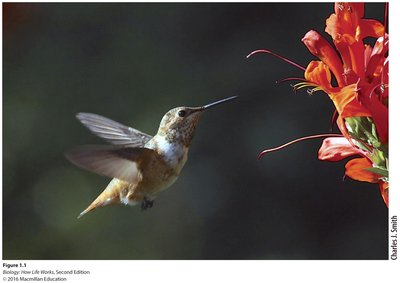
Properties and Criteria of Life
Defining Life
The essential properties of life include cellular organization, information storage and transmission, energy transformation, replication, and evolution. These properties are supported by key biomolecules.
Cellular Organization: All living things are composed of cells, which are membrane-bound units.
Information Storage and Transmission: Genetic material (DNA, RNA) carries instructions for life processes.
Energy Transformation: Cells convert energy from sunlight or organic compounds into usable forms (e.g., ATP).
Replication: Life forms reproduce, passing genetic information to offspring.
Evolution: Populations of organisms change over time through heritable variation.
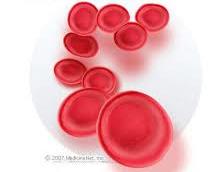
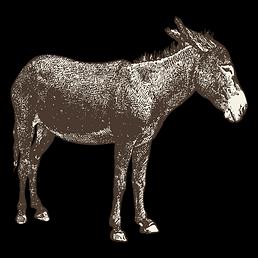
Biomolecules Supporting Life
Main Classes of Biomolecules
Four major biomolecules are essential for life: lipids, carbohydrates, nucleic acids, and proteins. Each plays a distinct role in supporting the properties of life.
Lipids: Form cell membranes, provide energy storage, and insulation.
Carbohydrates: Serve as energy sources and structural components.
Nucleic Acids: Store and transmit genetic information (DNA, RNA).
Proteins: Catalyze biochemical reactions, provide structure, and regulate cellular functions.
Nucleic Acids: Information Storage and Transmission
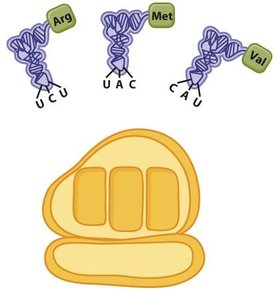
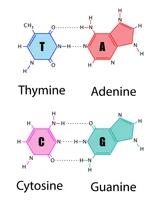
Nucleic acids, such as DNA and RNA, are responsible for storing and transmitting genetic information. DNA encodes instructions for building proteins, while RNA plays roles in protein synthesis and regulation. 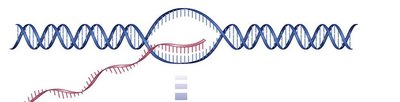
Self-Replication
All biomolecules contribute to the process of self-replication, enabling organisms to reproduce and pass on genetic information. 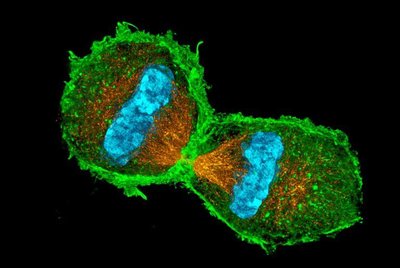
Membrane Delimitation: Lipids
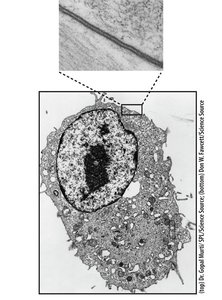
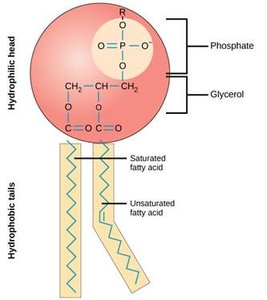
Lipids are crucial for forming cell membranes, which create compartments and regulate the movement of substances. Their hydrophobic and hydrophilic properties make them ideal for this function.
Compartmentation: Membranes separate internal cellular environments from the external surroundings.
Selective Permeability: Lipid bilayers allow selective transport of molecules.
Energy Storage: Lipids can be metabolized for energy.
Energy Storage and Use
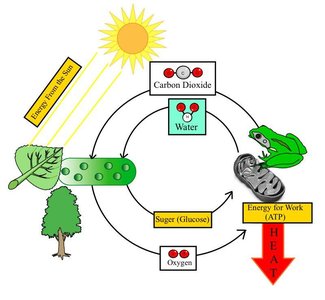
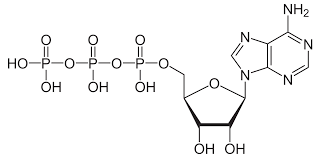
Cells convert energy from sunlight or organic compounds into ATP, the universal energy currency.
ATP (Adenosine Triphosphate): Stores energy for cellular work.
Energy Sources: Sunlight (photosynthesis) or organic molecules (cellular respiration).
Monomers and Polymers
Biomolecules are often built from smaller units (monomers) that form larger structures (polymers).
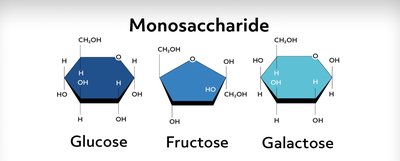
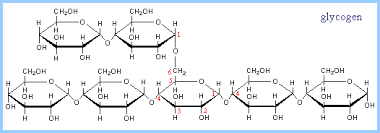
Carbohydrates: Monosaccharides (e.g., glucose) form polysaccharides (e.g., glycogen).
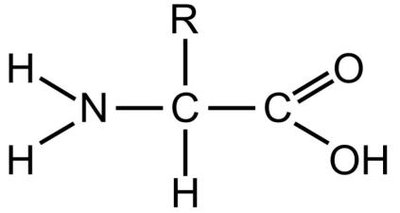
Amino Acids: Monomers that form proteins (polypeptides).
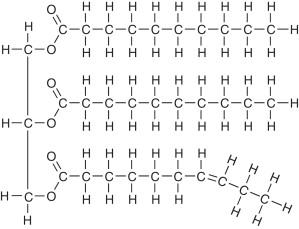
Lipids: Fatty acids and glycerol form triglycerides and phospholipids.
Cellular Organization
Cells: The Fundamental Unit of Life
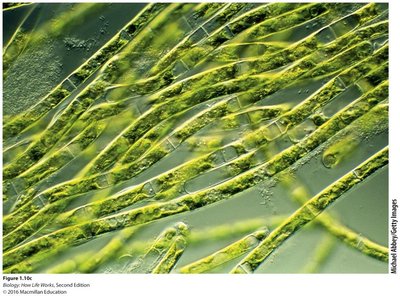
Cells are the smallest units that exhibit all properties of life. Organisms may be unicellular or multicellular, but all are composed of cells.
Cell Types: Prokaryotic and eukaryotic cells.
Essential Features: Membrane, genetic material, energy transformation, self-replication, responsiveness, and evolution.
Types of Cells
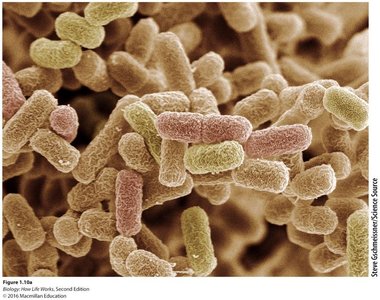
Prokaryotic Cells: Found in bacteria and archaea. Characterized by lack of nucleus, circular DNA, small size, and rapid replication.
Eukaryotic Cells: Found in protozoa, fungi, plants, and animals. Characterized by nucleus, linear DNA, larger size, and membrane-bound organelles.
Feature | Prokaryotic Cells | Eukaryotic Cells |
|---|---|---|
Nucleus | No | Yes |
DNA Form | Circular | Linear (chromosomes) |
Size | 0.1-5 microns | 1-100 microns |
Organelles | Rarely membrane-bound | Membrane-bound |
Replication | Fast | Slower |
Are Viruses Alive?
Viruses and the Properties of Life
Viruses exhibit some but not all properties of life. They are membrane delimited only when inside a host cell, store and follow instructions (genetic material), use energy from the host, and evolve. However, they do not independently store energy or self-replicate without a host.
Membrane Delimited: Only within host cells.
Information Storage: Yes (DNA or RNA).
Energy Use: Yes, but only from host.
Self-Replication: Only within host.
Evolution: Yes.
Summary and Objectives
Class Recap
Practice designing controls in experiments.
Understand that the definition of "living" can vary.
Set up a course definition of life based on essential properties.
Introduce biomolecules and their roles in supporting life.
Recognize cells as the units of life.
Know types of cells and compare their features.
Table: Biomolecules and Their Functions
Biomolecule | Main Function |
|---|---|
Lipids | Membrane formation, energy storage, insulation |
Carbohydrates | Energy source, structural support |
Nucleic Acids | Information storage and transmission |
Proteins | Catalysis, structure, regulation, response |
Additional info:
Definitions and examples of biomolecules were expanded for clarity.
Cell types and their features were compared in tabular form for academic completeness.
Virus properties were discussed to address the question of "Are viruses alive?"
