 Back
Fundamentals of Biology I: Properties of Life, Biomolecules, and Cell Types
Study Guide - Smart Notes
 Tailored notes based on your materials, expanded with key definitions, examples, and context.
Introduction to Biology
What Is Biology?
Biology is the scientific study of life and living organisms. It seeks to understand the mechanisms by which life operates, from the molecular to the ecosystem level. Scientists and philosophers have defined life in various ways, but common themes include self-sustained chemical systems, self-replication, evolution, and the ability to respond to the environment.
Definition of Life: Life is a self-sustained chemical system capable of undergoing Darwinian evolution (Joyce 1995, NASA definition).
Alternative Definition: Life is a self-replicating, evolving system based on organic chemistry (Page 2001).
Medical Definition: The quality that distinguishes a vital and functional being from a dead body.
Fundamental Properties of Life
All living things share several essential properties that distinguish them from non-living matter. These properties are facilitated by biomolecules and are best exemplified by cells, the basic unit of life.
Membrane delimited: Life is separated from its environment by a selectively permeable membrane.
Cellular organization: Life is made up of cells or is itself a cell.
Information storage and transmission: Life stores and follows instructions, typically in the form of DNA.
Energy storage and use: Life stores energy and uses it to perform work.
Self-replication: Life can reproduce itself.
Control and response: Life controls its functions and responds to environmental changes.
Evolution: Life evolves over generations.
Biomolecules: The Chemical Basis of Life
Main Biomolecules Supporting Life
Biomolecules are organic compounds that play critical roles in the structure and function of living cells. The four main classes are lipids, carbohydrates, nucleic acids, and proteins.
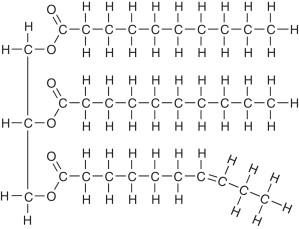
Lipids: Form membranes and store energy.
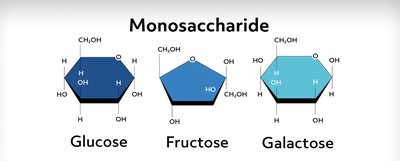
Carbohydrates: Provide energy and structural support.
Nucleic Acids: Store and transmit genetic information (DNA, RNA).
Proteins: Catalyze reactions, provide structure, and facilitate cellular responses.
Nucleic Acids: Information Storage and Transmission
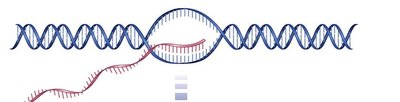
Nucleic acids are polymers of nucleotides that store and transmit genetic information. DNA and RNA are the primary nucleic acids in cells.
DNA: Stores genetic instructions for the development and functioning of living organisms.
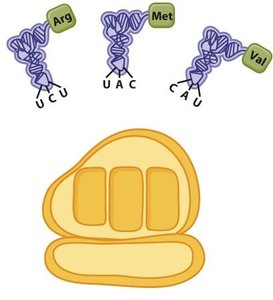
RNA: Transmits genetic information and is involved in protein synthesis (mRNA, tRNA, rRNA).
Lipids: Membrane Formation
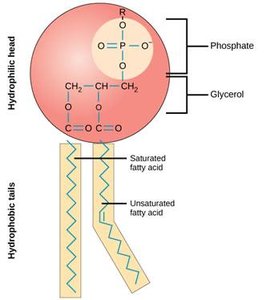
Lipids are hydrophobic molecules that form the selectively permeable barriers of cells. The lipid bilayer is essential for compartmentalization and protection.
Phospholipids: Major component of cell membranes, with hydrophilic heads and hydrophobic tails.
Function: Provide a barrier that regulates the movement of substances in and out of the cell.
Energy Storage and Use: ATP and Carbohydrates
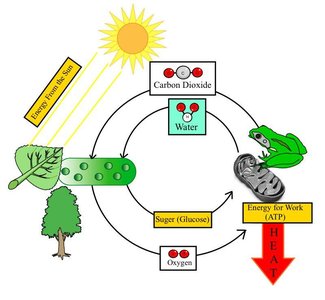
Cells store energy in molecules like carbohydrates and use it by converting it into ATP, the universal energy currency.
Carbohydrates: Monosaccharides and disaccharides are used for energy.
ATP: Adenosine triphosphate is used by cells to perform work.
Energy Sources: Sunlight (photosynthesis) or organic compounds (cellular respiration).
Proteins: Structure and Function
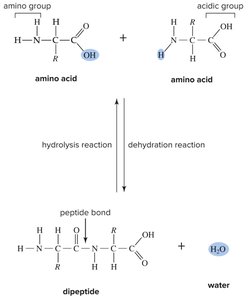
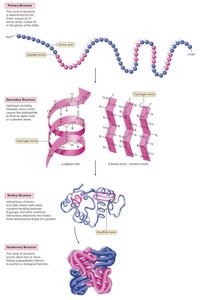
Proteins are polymers of amino acids that perform a wide variety of functions in cells, including catalysis, structure, and response to environmental signals.
Enzymes: Catalyze biochemical reactions.
Structural proteins: Provide support and shape to cells.
Signal proteins: Facilitate communication and response to stimuli.
Cells: The Basic Unit of Life
Essential Features of Cells
Cells are the smallest units that exhibit all the properties of life. All organisms are composed of either a single cell or multiple cells.
Cell membrane: Separates the cell from its environment.
Genetic material: DNA stores instructions for cellular function.
Metabolism: Cells store and use energy.
Self-replication: Cells reproduce themselves.
Response: Cells control their functions and respond to environmental changes.
Types of Cells: Prokaryotic vs. Eukaryotic
Cells are classified into two main types: prokaryotic and eukaryotic. Each type has distinct structural and functional characteristics.
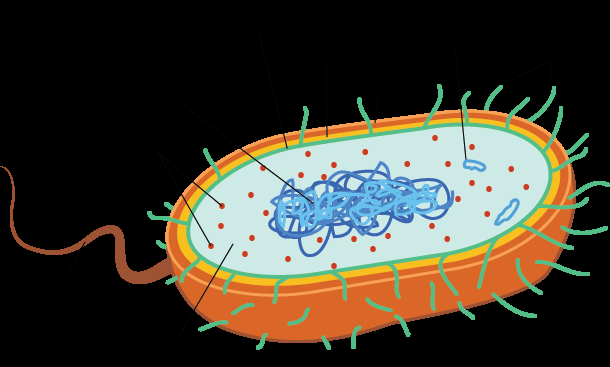
Prokaryotic Cells: Include bacteria and archaea. They lack a nucleus and membrane-bound organelles, have circular DNA, are small (0.1-5 microns), and replicate quickly.
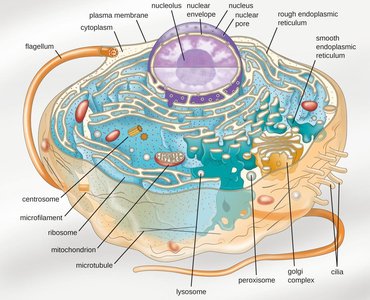
Eukaryotic Cells: Include plants, animals, fungi, and protists. They have a membrane-bound nucleus and organelles, linear DNA, and are generally larger.
Feature | Prokaryotic Cells | Eukaryotic Cells |
|---|---|---|
Nucleus | No | Yes |
DNA | Circular | Linear |
Size | 0.1-5 microns | 10-100 microns |
Organelles | No membrane-bound organelles | Membrane-bound organelles |
Replication | Fast | Slower |
Evolution: The Dynamic Nature of Life
Evolution as a Fundamental Concept
Evolution is the change in heritable characteristics of biological populations over successive generations. It is a central concept in biology, explaining the diversity and adaptation of life.
Heritable variation: Genetic differences are passed from one generation to the next.
Natural selection: Traits that enhance survival and reproduction become more common.
Population change: Over time, populations evolve.
Summary Table: Properties of Life and Biomolecules
Property of Life | Biomolecule(s) Supporting Property |
|---|---|
Membrane delimited | Lipids |
Information storage/transmission | Nucleic Acids |
Energy storage/use | Carbohydrates, ATP (Nucleic Acid) |
Self-replication | All biomolecules |
Control/response | Proteins |
Evolution | Nucleic Acids, Proteins |
Class Recap/Objectives
Practice designing controlled experiments
Understand that the definition of "living" can vary
Set up a course definition of life
Introduce biomolecules and their roles in supporting life
Know that cells are the units of life
Know types of cells and compare them
