 Back
BackFundamentals of Biology: Properties of Life, Biomolecules, and Cell Types
Study Guide - Smart Notes
 Tailored notes based on your materials, expanded with key definitions, examples, and context.
Introduction to Biology
What Is Biology?
Biology is the scientific study of life and living organisms. It seeks to understand how life works, from the molecular to the ecosystem level. Scientists and philosophers have defined life in various ways, but common themes include self-sustained chemical systems, the ability to evolve, and the presence of cellular structures.
Definition of Life: Life is a self-sustained chemical system capable of undergoing Darwinian evolution (Joyce 1995, NASA definition).
Key Properties: Life is membrane delimited, made up of cells, stores and follows instructions, stores and uses energy, is self-replicating, controls its functions, responds to the environment, and evolves.
Properties of Life
All living things share several fundamental properties that distinguish them from non-living matter.
Cellular Organization: All life is composed of cells or is made up of cells.
Information Storage and Transmission: Life stores information (usually in DNA) and transmits it to offspring.
Energy Transformation: Life transforms energy to perform work.
Evolution: Life evolves over generations.
Replication: Life is capable of self-replication.
Membrane Delimitation: Life is separated from its environment by membranes.
Response to Environment: Life controls its functions and responds to environmental changes.
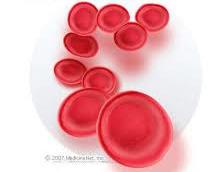
Example: Mature Red Blood Cell
Mature red blood cells lack DNA, do not divide, and have no mitochondria, illustrating exceptions to some properties of life.
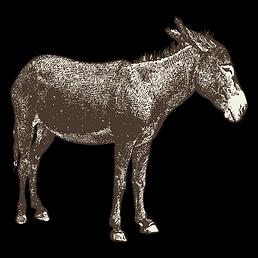
Example: Mule
Mules are hybrids and cannot reproduce, showing that not all living things meet every property perfectly.
Biomolecules and Their Roles in Life
Main Biomolecules
Biomolecules are essential for supporting the properties of life. The four main types are:
Lipids: Form membranes, store energy, provide insulation.
Carbohydrates: Store energy, provide structural support.
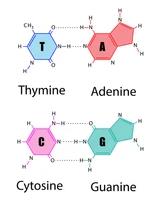
Nucleic Acids: Store and transmit genetic information (DNA, RNA).
Proteins: Facilitate cellular functions, catalyze reactions, respond to environment.
Nucleic Acids: Information Storage and Transmission
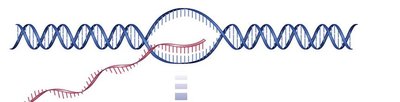
Nucleic acids such as DNA and RNA are responsible for storing and transmitting genetic information. DNA encodes instructions for life, while RNA plays roles in protein synthesis and regulation.
DNA: Stores genetic information.
mRNA: Messenger RNA, carries instructions from DNA to ribosomes.
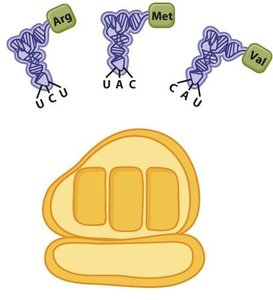
tRNA: Transfer RNA, brings amino acids to ribosomes during translation.
rRNA: Ribosomal RNA, forms part of the ribosome structure.
Self-Replication
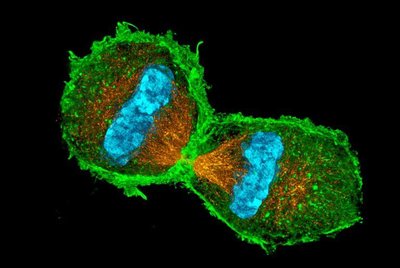
All biomolecules facilitate self-replication, a fundamental property of life. Cells replicate their DNA and divide to produce new cells.
Membrane Delimitation: Lipids
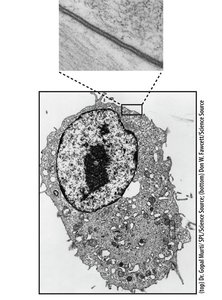
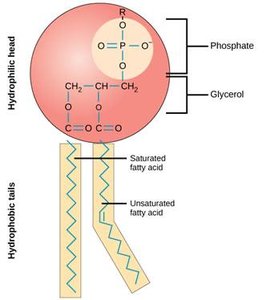
Lipids are crucial for forming cell membranes, which provide a selectively permeable barrier. Membranes compartmentalize cellular functions and protect the cell from its environment.
Phospholipids: Main component of cell membranes, with hydrophilic heads and hydrophobic tails.
Function: Compartmentation, energy storage, insulation.
Energy Storage and Use
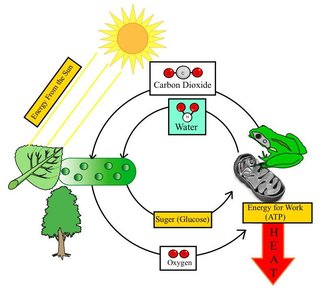
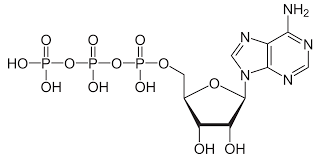
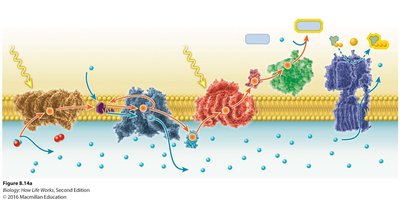
Cells store energy in molecules such as ATP and use it to perform work. Energy can be derived from sunlight (photosynthesis) or organic compounds (cellular respiration).
ATP: Adenosine triphosphate, the cell's energy currency.
Sources: Sunlight (photosynthesis), organic compounds (carbohydrates, lipids, proteins).
Biomolecule Structure: Monomers to Polymers
Biomolecules are often polymers made from repeating monomer units.
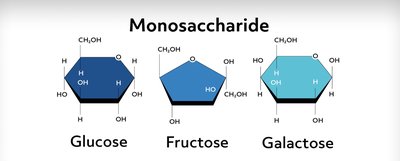
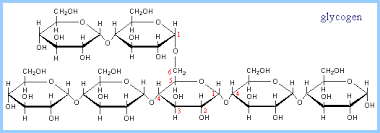
Carbohydrates: Monosaccharides (glucose, fructose, galactose) form polysaccharides (glycogen, starch).
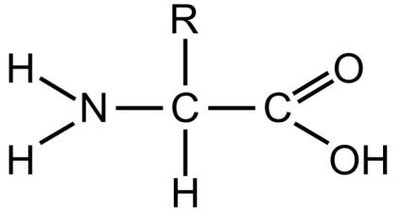
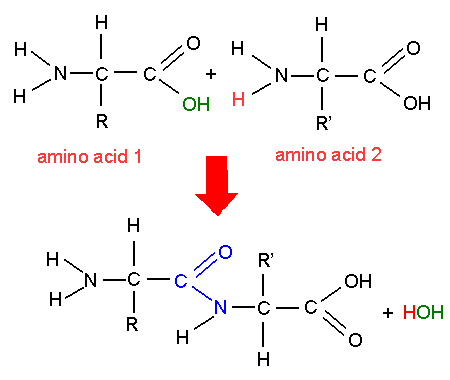
Amino Acids: Monomers that form proteins via peptide bonds.
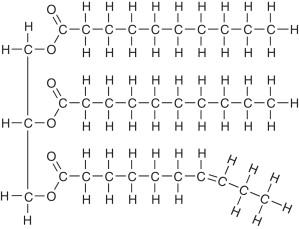
Lipids: Fatty acids and glycerol form triglycerides and phospholipids.
Proteins: Function and Response
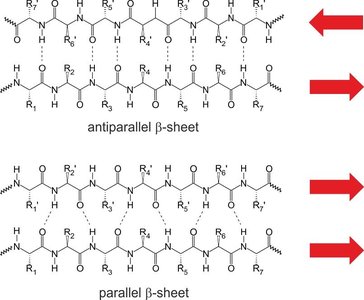
Proteins are versatile biomolecules that catalyze reactions, provide structural support, and enable cells to respond to environmental changes.
Enzymes: Proteins that speed up biochemical reactions.
Signal Transduction: Proteins help cells sense and respond to signals.
Photosynthesis and Cellular Respiration
Photosynthesis converts sunlight into chemical energy, while cellular respiration releases energy from organic molecules.
Photosynthesis: Occurs in plants, algae, and some bacteria.
Cellular Respiration: Occurs in all living cells to produce ATP.
Evolution: Change Over Generations
Fundamental Concept: Life Evolves
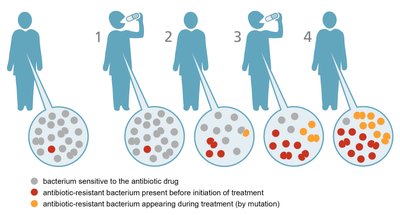
Evolution is the change in heritable characteristics of biological populations over successive generations. It is a central concept in biology, explaining the diversity and adaptation of life.
Mechanisms: Mutation, natural selection, genetic drift, gene flow.
Example: Antibiotic resistance in bacteria.
Cells: The Unit of Life
Essential Features of Cells
The cell is the smallest unit that meets all properties of life. All organisms are made of either a single cell or an ensemble of cells.
Cell Types: Prokaryotic and Eukaryotic.
Cell Functions: Compartmentation, information storage, energy transformation, replication, response, evolution.
Types of Cells
Cells are classified into two main types: prokaryotic and eukaryotic.
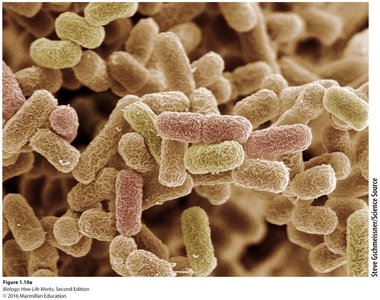
Prokaryotic Cells: Archaea and Bacteria. No nucleus, circular DNA, small size (0.1-5 microns), often no membrane-bound organelles, fast replication.
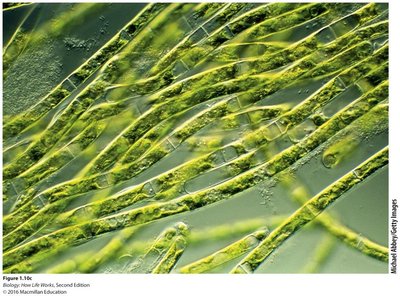
Eukaryotic Cells: Protozoa, Fungi, Plants, Animals. Nucleus and membrane-bound organelles, linear DNA (chromosomes), size (1-100 microns).
Feature | Prokaryotic Cells | Eukaryotic Cells |
|---|---|---|
Nucleus | No | Yes |
DNA Structure | Circular | Linear (chromosomes) |
Size | 0.1-5 microns | 1-100 microns |
Membrane-bound Organelles | Rare | Present |
Replication | Fast | Slower |
Are Viruses Alive?
Viruses exhibit some properties of life but lack others. They are membrane delimited only when inside a host cell, store and follow instructions, use energy, evolve, and respond to the environment, but do not self-replicate independently.
Membrane Delimited: Sometimes, only inside host cells.
Information Storage: Yes (genetic material).
Energy Use: Yes, but do not store energy.
Self-Replication: Only with host machinery.
Response and Evolution: Yes.
Class Recap/Objectives
Practice designing controls in experiments.
Understand that the definition of "living" can vary.
Set up a course definition of life.
Introduce biomolecules and their roles in supporting life: Lipids, Nucleic Acids, Proteins, Carbohydrates.
Know that cells are the units of life.
Know types of cells and compare them.
