 Back
Fungi and Plant Diversity: Structure, Life Cycles, and Ecological Roles
Study Guide - Smart Notes
 Tailored notes based on your materials, expanded with key definitions, examples, and context.
Fungi: Overview and Diversity
Introduction to Fungi
Fungi are a diverse kingdom of eukaryotic organisms that play essential roles in ecosystems as decomposers, mutualists, and pathogens. They are more closely related to animals than to plants and exhibit a wide variety of forms and life cycles.
Key Characteristics: Eukaryotic, mostly multicellular (except yeasts), cell walls made of chitin, heterotrophic by absorption.
Ecological Roles: Decomposers, symbionts (e.g., mycorrhizae, lichens), and pathogens.
Reproduction: Both sexual and asexual reproduction via spores.
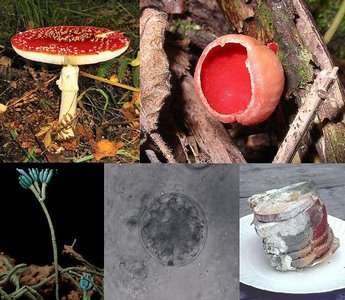
Major Groups of Fungi
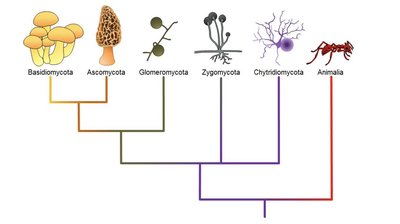
Fungi are classified into several major phyla based on their reproductive structures and genetic data.
Chytridiomycota (Chytrids): Mostly aquatic, unicellular or simple multicellular, produce flagellated spores.
Zygomycota: Includes molds like black bread mold; most are decomposers or parasites.
Ascomycota (Sac Fungi): Produce spores in sac-like asci; includes yeasts, morels, and truffles.
Basidiomycota (Club Fungi): Produce spores on basidia; includes mushrooms, puffballs, and shelf fungi.
Glomeromycota: Form arbuscular mycorrhizal associations with plant roots.
Fungal Structure and Growth
Hyphae and Mycelium
Fungi grow as networks of filaments called hyphae, which collectively form a mycelium. The mycelium infiltrates the substrate, allowing efficient nutrient absorption.
Septate Hyphae: Hyphae divided by cross-walls (septa).
Coenocytic Hyphae: Hyphae lacking septa, with continuous cytoplasm and many nuclei.
Fungal Reproduction and Life Cycles
Asexual Reproduction
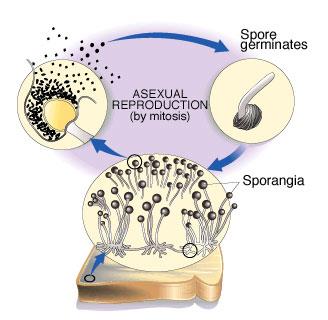
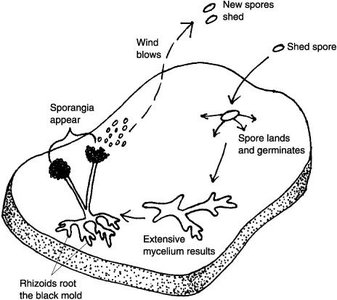
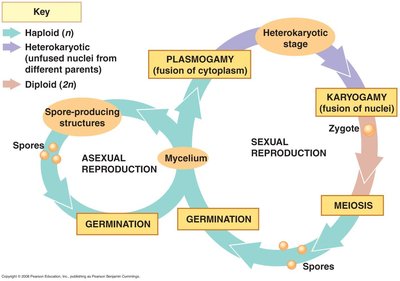
Many fungi reproduce asexually by producing spores in specialized structures called sporangia. These spores disperse and germinate into new mycelia.
Example: Black bread mold (Rhizopus) produces sporangia that release spores into the air.
Sexual Reproduction
Fungal sexual reproduction typically involves three key steps: plasmogamy (fusion of cytoplasm), karyogamy (fusion of nuclei), and meiosis (formation of haploid spores).
Heterokaryotic Stage: Cells contain two or more genetically distinct nuclei.
Zygote Formation: Karyogamy produces a diploid zygote, which undergoes meiosis to form haploid spores.
Basidiomycota Life Cycle Example
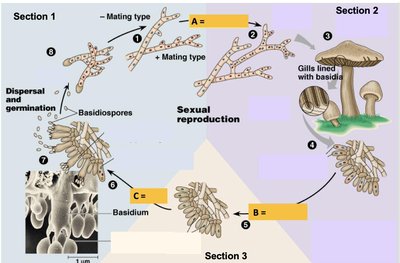
The life cycle of club fungi (Basidiomycota) includes the formation of basidia, specialized cells where karyogamy and meiosis occur, producing basidiospores.
Basidiocarps: Fruiting bodies (e.g., mushrooms) that contain basidia.
Basidiospores: Dispersed by wind to germinate into new mycelia.
Fungal Ecology and Mutualisms
Decomposition
Fungi are primary decomposers in ecosystems, breaking down complex organic matter and recycling nutrients.
Importance: Essential for nutrient cycling and soil formation.
Mycorrhizal Associations
Many fungi form mutualistic relationships with plant roots, known as mycorrhizae. These associations enhance water and nutrient uptake for plants and provide carbohydrates for fungi.
Types: Ectomycorrhizae (outside root cells) and arbuscular mycorrhizae (inside root cells).
Lichens
Lichens are symbiotic associations between fungi and photosynthetic organisms (algae or cyanobacteria). They are important pioneers in primary succession and indicators of air quality.
Fungi: Unique Phenomena
Fairy Rings
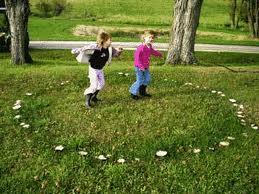
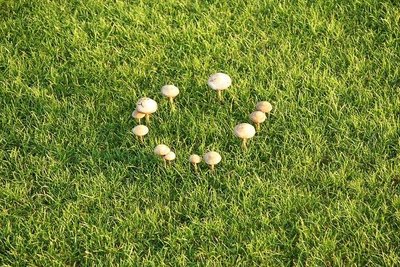
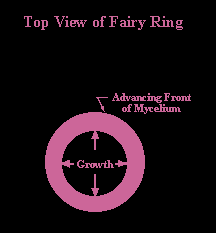
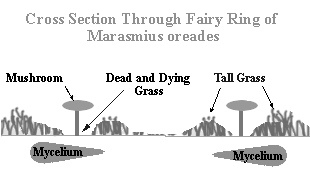
Fairy rings are circular patterns of mushroom growth, resulting from the outward radial expansion of fungal mycelium in soil. They are often observed in grasslands and lawns.
Formation: Mycelium grows outward, depleting nutrients in the center and producing mushrooms at the edge.
Ecological Impact: Can affect grass growth, sometimes causing rings of dead or lush grass.
Bioluminescent Fungi
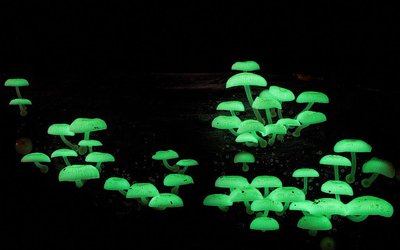
Some fungi are capable of bioluminescence, emitting light through chemical reactions. This phenomenon is thought to attract insects for spore dispersal or deter predators.
Fungal Pathogens and Human Uses
Pathogenic Fungi
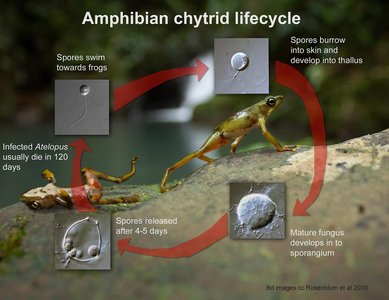
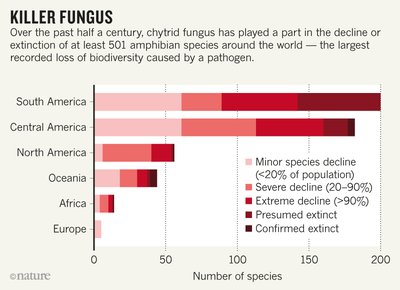
Fungi can act as pathogens, infecting plants, animals, and humans. Notable examples include the chytrid fungus responsible for amphibian declines and various plant diseases.
Chytridiomycosis: A disease caused by chytrid fungi, leading to global amphibian population declines.
Human Uses of Fungi
Fungi are valuable to humans for food (e.g., mushrooms, truffles), fermentation (e.g., yeast in bread and alcohol), antibiotics (e.g., penicillin), and biotechnology (e.g., production of psilocybin for medical research).
Fermentation: Yeasts are used in baking and brewing.
Antibiotics: Many antibiotics, such as penicillin, are derived from fungi.
Psychoactive Compounds: Some fungi produce compounds with medicinal or psychoactive properties.
Plant Diversity and Evolution
Introduction to Plant Diversity
Plants are multicellular, photosynthetic eukaryotes that colonized land over 470 million years ago. Their evolution led to the diversification of terrestrial ecosystems.
Key Adaptations: Alternation of generations, multicellular embryos, walled spores, multicellular gametangia, and apical meristems.
Additional Traits: Cuticle, mycorrhizal associations, and secondary compounds for defense.
Major Groups of Land Plants
Nonvascular Plants (Bryophytes): Mosses and relatives; lack vascular tissue.
Vascular Plants: Have specialized tissues (xylem and phloem) for transport; include ferns, gymnosperms, and angiosperms.
Plant Structure and Function
Roots: Anchor plants and absorb water and nutrients.
Leaves: Main site of photosynthesis; contain guard cells for gas exchange.
Summary Table: Major Fungal Groups and Features
Phylum | Key Features | Examples |
|---|---|---|
Chytridiomycota | Flagellated spores, mostly aquatic | Chytrids |
Zygomycota | Resistant zygosporangium, decomposers | Black bread mold (Rhizopus) |
Ascomycota | Sac-like asci, diverse habitats | Yeasts, morels, truffles |
Basidiomycota | Club-shaped basidia, fruiting bodies | Mushrooms, puffballs |
Glomeromycota | Arbuscular mycorrhizae with plants | Glomeromycetes |
Additional info: This guide expands on the provided notes with academic context, definitions, and examples to ensure a comprehensive understanding suitable for college-level General Biology students.
