 Back
BackFungi: Diversity, Structure, Life Cycles, and Ecological Roles
Study Guide - Smart Notes
 Tailored notes based on your materials, expanded with key definitions, examples, and context.
Fungi in the Diversity of Life
Introduction to Fungi
Fungi are a diverse kingdom of eukaryotic organisms that play essential roles in ecosystems as decomposers, mutualists, and pathogens. They are more closely related to animals than to plants and exhibit a wide range of forms and life strategies.
Kingdom Fungi is distinct from plants, animals, and protists.
Fungi are classified based on their reproductive structures, molecular data, and ecological roles.
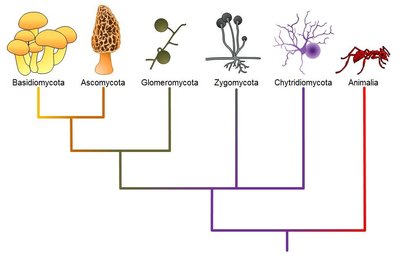
Major phyla include Chytridiomycota, Zygomycota, Glomeromycota, Ascomycota, and Basidiomycota.
Characteristics of Fungi
General Features
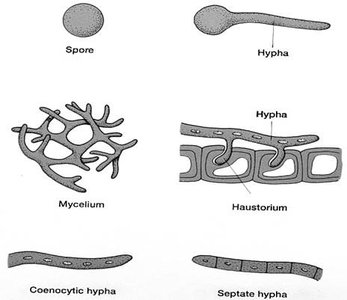
Fungi are heterotrophic organisms that absorb nutrients from their environment through external digestion. Their bodies are typically composed of hyphae, which form a network called mycelium.
Heterotrophic nutrition: Fungi secrete digestive enzymes and absorb the resulting small organic molecules.
Cell walls contain chitin, a strong, flexible polysaccharide.
Body structure: Most fungi are multicellular, with filamentous hyphae; some are unicellular (yeasts).
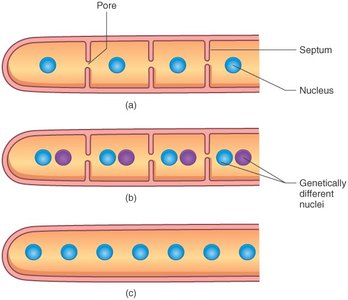
Hyphae may be septate (divided by cross-walls) or coenocytic (lacking septa).
Reproduction: Fungi reproduce by spores, both sexually and asexually.
Fungal Life Cycle and Unique Reproduction
Sexual and Asexual Reproduction
Fungi have complex life cycles that often include both sexual and asexual phases.
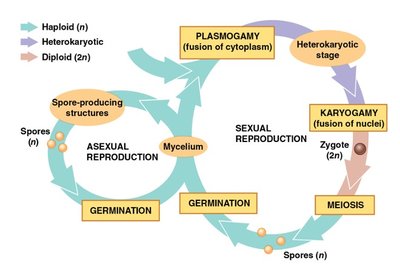
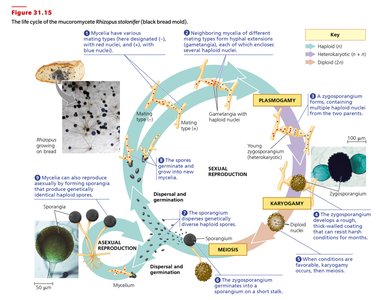
Sexual reproduction involves the fusion of hyphae from different mating types, leading to plasmogamy (fusion of cytoplasm), a dikaryotic (n+n) stage, karyogamy (fusion of nuclei), and meiosis to produce spores.
Asexual reproduction produces genetically identical spores without the need for mating types.
The dikaryotic stage is unique to fungi, where two genetically distinct nuclei coexist in the same cell.
Evolutionary Relationships Among Fungi
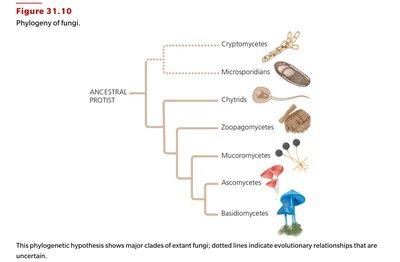
Fungal Phylogeny
Fungal taxonomy is dynamic, with molecular phylogeny reshaping traditional classifications. The major groups are distinguished by their reproductive structures and genetic data.
Opisthokonta is the supergroup containing fungi and animals.
Major clades include Chytridiomycota, Zygomycota, Glomeromycota, Ascomycota, and Basidiomycota.
Different Types of Fungi (Classical View)
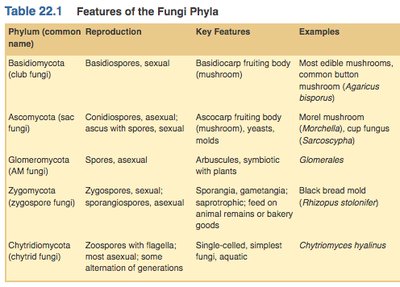
Overview of Major Fungal Phyla
The classical view of fungal diversity is based on morphology and reproductive structures.
Phylum (Common Name) | Reproduction | Key Features | Examples |
|---|---|---|---|
Basidiomycota (club fungi) | Basidiospores, sexual | Basidiocarp fruiting body (mushroom) | Most edible mushrooms, Agaricus bisporus |
Ascomycota (sac fungi) | Conidiospores, asexual; ascus with spores, sexual | Ascocarp fruiting body, yeasts, molds | Morel mushroom, cup fungus, Saccharomyces |
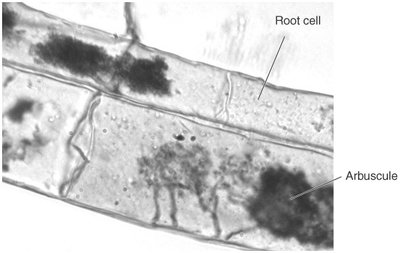
Glomeromycota (AM fungi) | Spore, asexual | Arbuscules, symbiotic with plants | Glomus |
Zygomycota (zygospore fungi) | Zygospores, sexual; sporangiospores, asexual | Sporangia, gametangia; saprotrophic | Black bread mold (Rhizopus stolonifer) |
Chytridiomycota (chytrid fungi) | Zoospores with flagella; most asexual | Single-celled, aquatic | Chytrimyces hyalinus |
Chytridiomycota
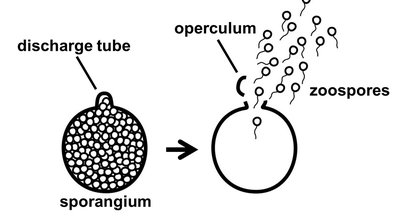
Mostly aquatic, unicellular or simple multicellular fungi.
Reproduce with flagellated zoospores.
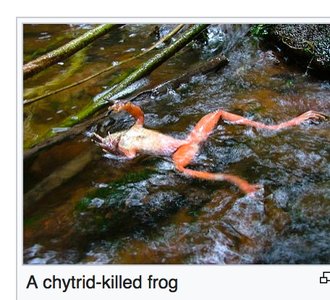
Many are saprotrophs; some are pathogens (e.g., cause chytridiomycosis in amphibians).
Mucoromycota (including Zygomycota and Glomeromycota)
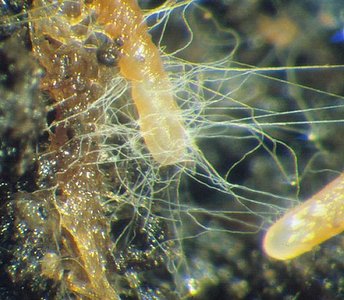
Arbuscular mycorrhizal (AM) fungi: Form mutualistic relationships with plant roots, aiding in nutrient and water uptake.
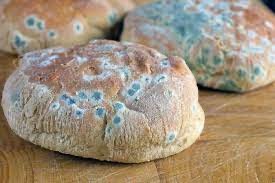
Bread molds (e.g., Rhizopus): Have both sexual (zygosporangium) and asexual (sporangia) reproductive stages.
Ascomycota (Sac Fungi)
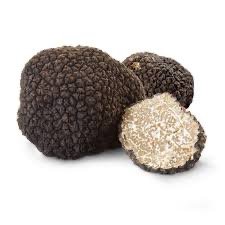
Includes both unicellular yeasts and multicellular molds, morels, and truffles.
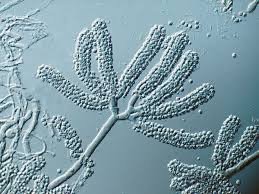
Sexual spores (ascospores) are produced in sac-like asci; asexual spores (conidia) are common.
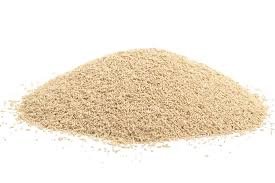
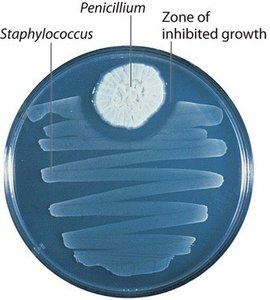
Economically important: yeasts (fermentation), Penicillium (antibiotics), truffles (culinary).
Basidiomycota (Club Fungi)
Includes mushrooms, puffballs, shelf fungi, and plant pathogens (e.g., rusts, smuts).
Sexual spores (basidiospores) are produced on club-shaped basidia, typically lining gills of mushrooms.
Important decomposers in ecosystems.
Fungi Ecology
Decomposers/Saprotrophs
Fungi are the principal decomposers of organic material, breaking down cellulose and lignin and recycling nutrients in ecosystems.
Decomposition by fungi releases carbon, nitrogen, and phosphorus back into the environment.
Without fungi and bacteria, nutrient cycling would halt, disrupting life on Earth.
Fungal Mutualisms
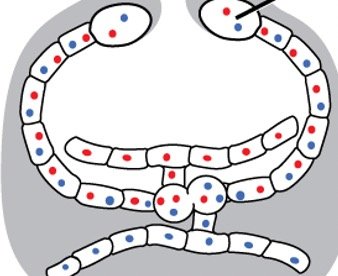
Mycorrhizae: Symbiotic associations between fungi and plant roots, enhancing nutrient uptake for plants and providing carbohydrates for fungi.
Lichens: Mutualistic partnerships between ascomycete fungi and photosynthetic organisms (algae or cyanobacteria). Lichens are sensitive to air pollution.
Endophytes: Fungi living inside plant tissues without causing disease, often enhancing plant growth and stress tolerance.
Fungus-animal mutualisms: Some animals (e.g., leaf-cutter ants) cultivate fungi for food; fungi help digest plant material in animal guts.
Fungal Parasites and Pathogens
Fungi can be parasitic or pathogenic, causing diseases in plants (e.g., rusts, smuts) and animals (e.g., chytridiomycosis in amphibians, athlete's foot in humans).
Some fungi produce toxins, such as aflatoxins from Aspergillus, which are potent carcinogens.
Example: Batrachochytrium dendrobatidis (a chytrid fungus) causes chytridiomycosis, a deadly disease in amphibians. Example: Aspergillus species produce aflatoxins that contaminate food supplies. Example: Athlete's foot is a common fungal infection in humans.
Summary Table: Features of Major Fungal Phyla
Phylum | Reproduction | Key Features | Examples |
|---|---|---|---|
Basidiomycota | Sexual (basidiospores) | Basidiocarp (mushroom) | Agaricus bisporus |
Ascomycota | Asexual (conidia), Sexual (ascospores in ascus) | Ascocarp, yeasts, molds | Saccharomyces, Penicillium, truffles |
Glomeromycota | Asexual (spores) | Arbuscules, mycorrhizae | Glomus |
Zygomycota | Sexual (zygospores), Asexual (sporangiospores) | Sporangia, bread molds | Rhizopus |
Chytridiomycota | Asexual (zoospores) | Flagellated spores, aquatic | Batrachochytrium |
Additional info: Fungal taxonomy is rapidly evolving due to advances in molecular phylogenetics, and some classical groups are being redefined.
