 Back
BackFungi: Structure, Function, and Diversity
Study Guide - Smart Notes
 Tailored notes based on your materials, expanded with key definitions, examples, and context.
Fungi: Structure, Function, and Diversity
Introduction to Fungi
Fungi are a diverse and widespread group of eukaryotic organisms that play essential roles in terrestrial ecosystems. They are primarily known for their ability to decompose organic material and recycle nutrients, making them crucial for ecosystem health and nutrient cycling.
Heterotrophs: Fungi obtain nutrients by absorbing organic material from their environment.
Enzyme Versatility: Fungi secrete powerful enzymes that break down complex organic substances.
Ecological Importance: Fungi act as decomposers, parasites, and mutualists.
Nutrition and Ecology
Fungi exhibit a variety of nutritional modes, each with ecological significance:
Decomposers: Break down and absorb nutrients from nonliving organic material, facilitating nutrient recycling.
Parasitic Fungi: Absorb nutrients from living hosts, sometimes causing disease.
Mutualistic Fungi: Form beneficial relationships with other organisms, such as plants (e.g., mycorrhizae).
Fungal Body Structure
Fungi can exist as multicellular filaments or single cells (yeasts). The main structural features include:
Hyphae: Thread-like filaments that make up the body of multicellular fungi. Hyphae are often divided by septa (cross-walls) with pores for organelle movement.
Mycelium: A network of hyphae that forms the main body of the fungus.
Cell Wall: Composed primarily of chitin, providing structural support.
Mycorrhizae are specialized hyphae that form mutualistic associations with plant roots, enhancing nutrient uptake for both partners.
Fungal Lifestyles
Fungi display diverse lifestyles, including:
Decomposers (saprotrophs)
Parasites (pathogens of plants and animals)
Mutualists (e.g., mycorrhizal fungi, lichens)
Fungi as Parasites and Pathogens
Approximately 30% of fungal species are parasites or pathogens. Some notable examples include:
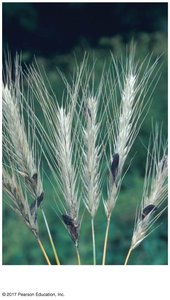
Ergot on Rye: Caused by an ascomycete, Claviceps purpurea, producing toxic alkaloids (e.g., lysergic acid, precursor to LSD).
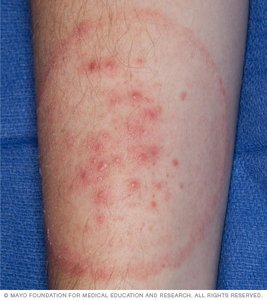
Human Diseases: Ringworm, athlete’s foot, and systemic mycoses (e.g., coccidioidomycosis).
Opportunistic Infections: Such as those caused by Candida albicans.
Practical Uses of Fungi
Fungi have significant practical applications:
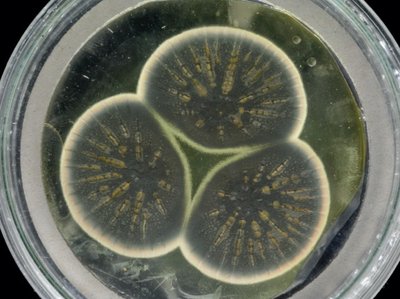
Antibiotic Production: The ascomycete Penicillium rubens is the source of penicillin.
Biotechnology: Fungi such as Saccharomyces cerevisiae are used in the production of insulin-like growth factors and other biotechnological products.
Fungal Reproduction and Life Cycles
Fungi reproduce by producing spores, either sexually or asexually:
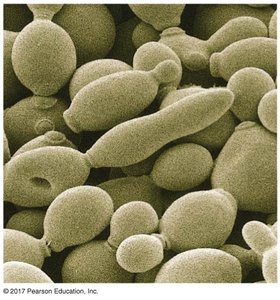
Asexual Reproduction: Molds produce haploid spores by mitosis, forming visible mycelia. Yeasts reproduce by simple cell division or budding.
Sexual Reproduction: Involves the fusion of hyphae from two individuals, leading to genetic recombination.
Evolution and Diversity of Fungi
The ancestor of fungi was likely an aquatic, single-celled, flagellated protist. Fungi were among the earliest colonizers of land, forming mutualistic relationships with early land plants. Over time, fungi have radiated into a diverse set of lineages.
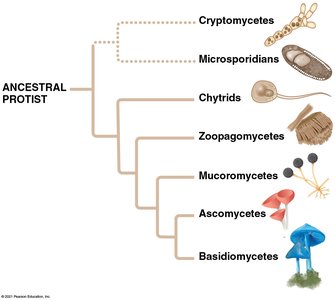
Major Fungal Phyla
Phylum | Distinguishing Features | Examples |
|---|---|---|
Chytridiomycota (chytrids) | Flagellated spores (zoospores) | Chytrids |
Zygomycota (zygomycetes) | Resistant zygosporangium as sexual stage | Rhizopus stolonifer (black bread mold) |
Glomeromycota | Arbuscular mycorrhizae formed with plants | Arbuscular mycorrhizal fungi |
Ascomycota (ascomycetes) | Sexual spores (ascospores) in asci; many asexual spores (conidia) | Neurospora, Penicillium, yeasts, morels |
Basidiomycota (basidiomycetes) | Elaborate fruiting body (basidiocarp) with basidia producing sexual spores (basidiospores) | Mushrooms, puffballs, shelf fungi |
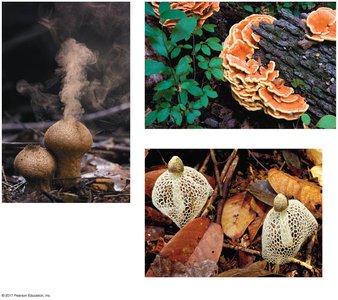
Examples of Fungal Diversity
Chytrids: Ubiquitous in aquatic environments; have flagellated spores.
Zygomycetes: Molds, parasites, and symbionts; resistant to freezing and drying.
Ascomycetes: Includes plant pathogens, decomposers, and symbionts (e.g., lichens).
Basidiomycetes: Includes mushrooms, puffballs, and shelf fungi.
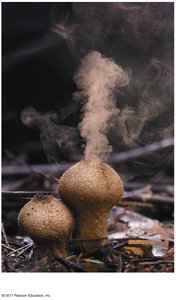
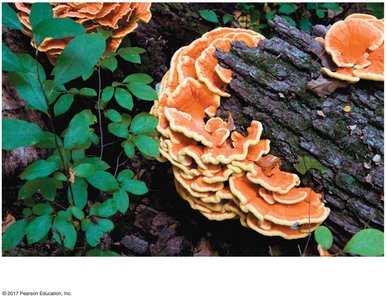
Summary Table: Fungal Phyla and Features
Phylum | Key Feature | Example |
|---|---|---|
Chytridiomycota | Flagellated spores | Chytrids |
Zygomycota | Zygosporangium | Black bread mold |
Glomeromycota | Arbuscular mycorrhizae | Mycorrhizal fungi |
Ascomycota | Asci and conidia | Yeasts, morels |
Basidiomycota | Basidia and basidiocarps | Mushrooms, puffballs |
Additional info: Fungi are critical for biotechnology, medicine, and agriculture, and their study provides insight into eukaryotic evolution and symbiosis.
