 Back
Fungi: Structure, Function, Diversity, and Ecological Roles
Study Guide - Smart Notes
 Tailored notes based on your materials, expanded with key definitions, examples, and context.
Fungi: Structure, Function, Diversity, and Ecological Roles
Overview: Mighty Mushrooms
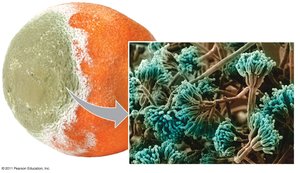
Fungi are a diverse kingdom of eukaryotic organisms that play essential roles in terrestrial ecosystems. They are crucial for nutrient cycling, decomposition, and symbiotic relationships with plants and animals. Approximately 100,000 species have been described, but estimates suggest there may be up to 1.5 million species worldwide.
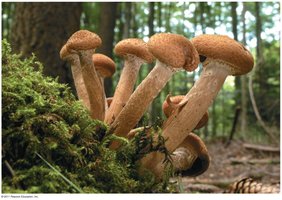
Concept 31.1: Fungi are Heterotrophs that Feed by Absorption
Nutrition and Lifestyles
All fungi are heterotrophs, meaning they obtain their nutrients by absorbing organic molecules from their environment. They secrete enzymes that break down complex molecules into smaller compounds, which are then absorbed. Fungi can function as:
Decomposers: Break down dead organic matter, recycling nutrients.
Parasites: Absorb nutrients from living hosts, often causing disease.
Mutualists: Form beneficial relationships with other organisms, such as plants.
Body Structure
Fungi exhibit two main body forms: multicellular filaments and single cells (yeasts). Some species can alternate between these forms. The multicellular form consists of mycelia, networks of branched hyphae that maximize surface area for absorption. Fungal cell walls are composed of chitin, a strong, flexible polysaccharide.
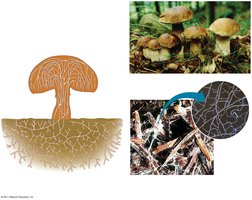
Specialized Hyphae and Mycorrhizae
Some fungi have specialized hyphae for feeding on living hosts. Mycorrhizae are mutualistic associations between fungi and plant roots, where fungi deliver phosphate ions and minerals to plants in exchange for organic nutrients. There are two main types:
Ectomycorrhizal fungi: Form sheaths over roots and grow into extracellular spaces of the root cortex.
Arbuscular mycorrhizal fungi: Penetrate root cell walls and form arbuscules for nutrient exchange.
Some fungi possess haustoria, specialized hyphae that penetrate host tissues to extract nutrients.
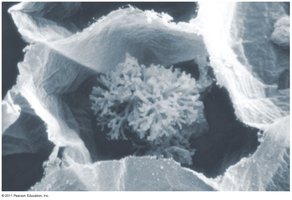
Concept 31.2: Fungi Produce Spores Through Sexual or Asexual Life Cycles
Reproduction and Life Cycles
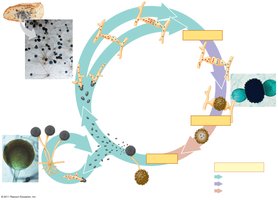
Fungi reproduce by producing vast numbers of spores, which can be generated sexually or asexually. The life cycle typically includes the following stages:
Plasmogamy: Fusion of cytoplasm from two parent mycelia.
Karyogamy: Fusion of haploid nuclei to form a diploid nucleus.
Meiosis: Production of haploid spores from the diploid phase.
Sexual reproduction increases genetic variation, while asexual reproduction (via mitosis) allows rapid colonization. Yeasts reproduce asexually by budding.
Concept 31.3: Evolutionary Origins of Fungi
Fungal Evolution
Fungi and animals share a common ancestor and are more closely related to each other than to plants. The earliest fungi were likely aquatic, single-celled, and flagellated protists. Fossil evidence suggests fungi colonized land over 460 million years ago, forming early mutualisms with plants.
Concept 31.4: Diversity of Fungi
Major Fungal Groups
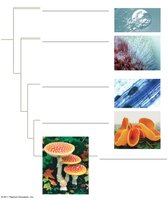
Fungi have diversified into several major lineages, including:
Chytrids (Chytridiomycota): Aquatic, flagellated spores; decomposers, parasites, or mutualists.
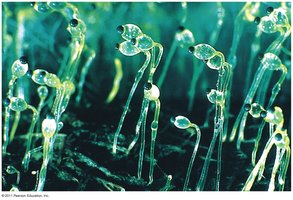
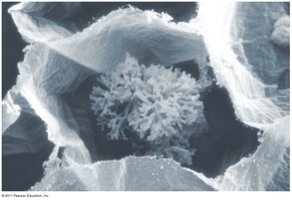
Zygomycetes (Zygomycota): Fast-growing molds, parasites, and commensals; e.g., Rhizopus stolonifer (black bread mold).
Glomeromycetes: Form arbuscular mycorrhizae with plants.
Ascomycetes (Ascomycota): Sac fungi; marine, freshwater, and terrestrial habitats.
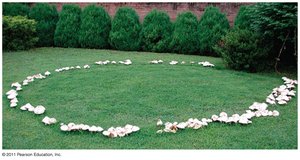
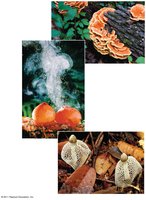
Basidiomycetes (Basidiomycota): Club fungi; mushrooms, puffballs, shelf fungi.

Concept 31.5: Ecological Roles and Human Uses of Fungi
Fungi as Decomposers
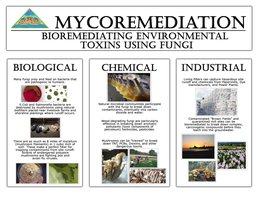
Fungi are primary decomposers in ecosystems, breaking down dead organic matter and recycling nutrients. Their enzymatic abilities are also harnessed in mycoremediation to clean up environmental contaminants.
Fungus-Plant Mutualisms
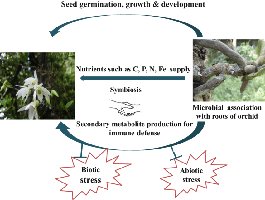
Mycorrhizae are vital for plant nutrient uptake and ecosystem productivity. Endophytes are fungi that live inside plant tissues, sometimes providing protection against herbivores and pathogens by producing toxins or growth-promoting substances.
Fungus-Animal Symbioses
Some fungi live in the digestive tracts of animals, aiding in the breakdown of plant material. Leaf-cutter ants cultivate fungi as a food source in specialized "fungal farms."
Lichens
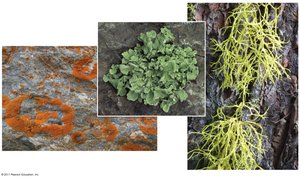
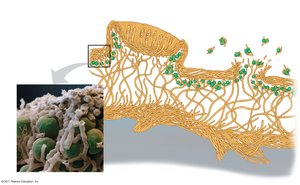
A lichen is a symbiotic association between a fungus and a photosynthetic partner (green algae or cyanobacteria). Lichens are important pioneers on bare rock and soil, contributing to soil formation and ecosystem succession. They are sensitive to air pollution and serve as bioindicators.
Fungi as Pathogens
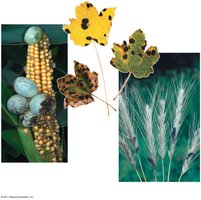
About 30% of fungal species are parasites or pathogens, primarily of plants. Fungal diseases can devastate crops and produce toxins harmful to humans, such as ergot alkaloids. Some fungi also infect animals, including the chytrid fungus Batrachochytrium dendrobatidis, which has contributed to amphibian declines.
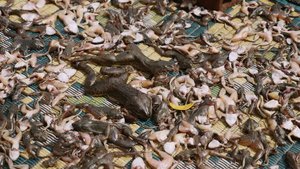
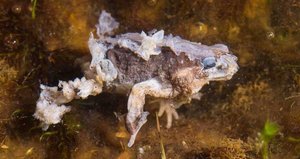
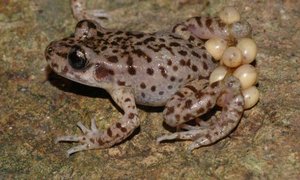
The general term for a fungal infection in animals is mycosis. Examples in humans include ringworm and athlete’s foot.

Practical Uses of Fungi
Fungi are used in food production (e.g., bread, cheese, alcoholic beverages) and as sources of antibiotics, such as Penicillium for penicillin. Their metabolic diversity makes them valuable in biotechnology and industry.
Summary Table: Major Fungal Groups and Their Characteristics
Group | Key Features | Examples |
|---|---|---|
Chytrids | Flagellated spores, aquatic habitats | Batrachochytrium dendrobatidis |
Zygomycetes | Fast-growing molds, zygosporangia | Rhizopus stolonifer |
Glomeromycetes | Arbuscular mycorrhizae | Soil fungi |
Ascomycetes | Sac fungi, produce ascospores | Yeasts, morels, truffles |
Basidiomycetes | Club fungi, basidiospores | Mushrooms, puffballs, shelf fungi |
Additional info: Fungi are also important model organisms in genetics and cell biology, and their study has contributed to advances in medicine, agriculture, and environmental science.
