 Back
Fungi: Structure, Function, Diversity, and Importance
Study Guide - Smart Notes
 Tailored notes based on your materials, expanded with key definitions, examples, and context.
Fungi: Structure, Function, Diversity, and Importance
Introduction to Fungi
Fungi are a diverse and widespread group of eukaryotic organisms that play essential roles in terrestrial ecosystems. They are primarily known for their ability to break down organic material and recycle nutrients, making them crucial decomposers. Fungi are heterotrophs, obtaining nutrients through absorption, and exhibit a remarkable versatility of enzymes that allow them to exploit a wide range of organic substrates.
Heterotrophic Nutrition: Fungi absorb nutrients from their environment, often by secreting enzymes that break down complex molecules into simpler compounds.
Ecological Roles: Fungi function as decomposers, parasites, and mutualists in various ecosystems.
Importance: They are vital for nutrient cycling and the health of most terrestrial ecosystems.
Fungal Nutrition and Ecology
Fungi exhibit diverse lifestyles based on their nutritional strategies:
Decomposers (Saprotrophs): Break down and absorb nutrients from nonliving organic material, such as fallen logs and leaf litter.
Parasitic Fungi: Absorb nutrients from living hosts, often causing disease.
Mutualistic Fungi: Form beneficial relationships with other organisms, such as plants (mycorrhizae) or algae (lichens).
Examples of Fungal Lifestyles
Mycorrhizae: Symbiotic associations between fungal hyphae and plant roots, enhancing nutrient uptake for plants and carbohydrates for fungi.
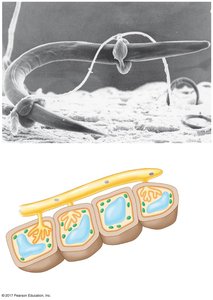
Predatory Fungi: Some fungi have specialized hyphae adapted for trapping and killing prey, such as nematodes.
Fungal Body Structure
Fungi can exist as multicellular filaments (hyphae) or as single cells (yeasts). The main body of a multicellular fungus is called the mycelium, a network of hyphae that infiltrates the substrate.
Hyphae: Tubular filaments that provide a large surface area for absorption. Hyphae may be divided by septa (cross-walls) with pores for cytoplasmic streaming, or they may be coenocytic (lacking septa).
Cell Wall: Composed primarily of chitin, providing structural support.
Specialized Hyphae
Arbuscules: Specialized structures in mycorrhizal fungi that facilitate nutrient exchange with plant cells.
Haustoria: Hyphal extensions that penetrate host tissues in parasitic relationships.
Fungi as Parasites and Pathogens
Approximately 30% of fungal species are parasites or pathogens, affecting plants, animals, and humans.
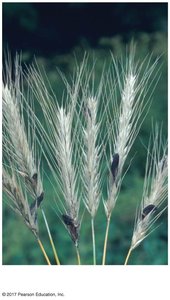
Plant Pathogens: Some fungi, such as Claviceps purpurea (ergot of rye), produce toxic compounds that can cause severe symptoms in humans and animals.
Animal Pathogens: Fungal infections in animals are called mycoses. Examples include ringworm, athlete’s foot, and systemic mycoses like coccidioidomycosis.
Opportunistic Mycoses: Infections that occur primarily in immunocompromised individuals, such as those caused by Candida albicans.

Practical Uses of Fungi
Fungi have significant practical applications in medicine, biotechnology, and industry.
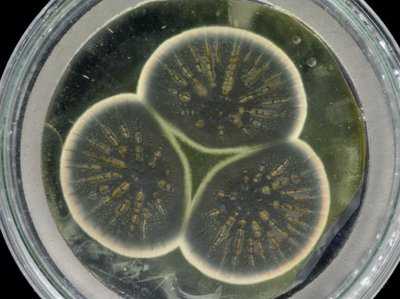
Antibiotics: The ascomycete Penicillium rubens is the source of penicillin, the first widely used antibiotic.
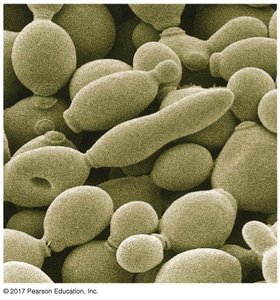
Biotechnology: Fungi such as Saccharomyces cerevisiae are used in the production of insulin-like growth factors and other recombinant proteins.
Fungal Reproduction and Life Cycles
Fungi reproduce by producing spores, either sexually or asexually. The life cycles of fungi are diverse but generally involve the alternation of haploid and diploid stages.
Asexual Reproduction: Molds produce haploid spores by mitosis, forming visible mycelia. Yeasts reproduce asexually by budding or simple cell division.
Sexual Reproduction: Involves the fusion of hyphae from different mating types, leading to genetic recombination and the formation of sexual spores.
Evolution and Diversity of Fungi
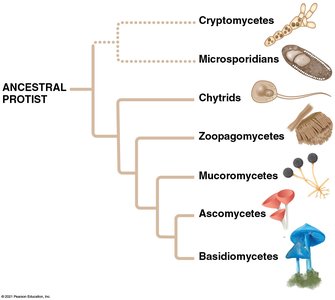
The ancestor of fungi was likely an aquatic, single-celled, flagellated protist. Fungi were among the earliest colonizers of land, forming mutualistic relationships with early land plants. Over time, fungi have radiated into a diverse set of lineages, each with unique characteristics.
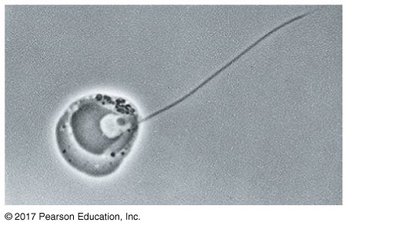
Chytrids (Phylum Chytridiomycota): Ubiquitous in aquatic environments; produce flagellated spores called zoospores.
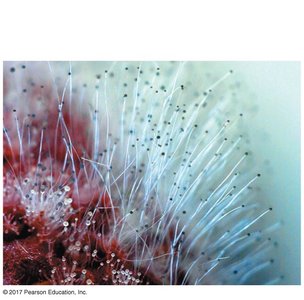
Mucoromycetes (Zygomycetes): Includes molds, parasites, and symbionts; characterized by resistant zygosporangia.
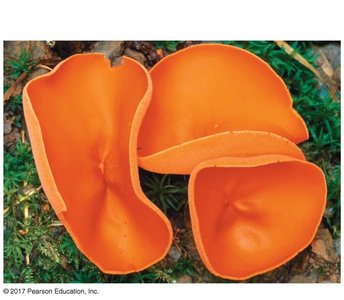
Ascomycetes: Produce sexual spores (ascospores) in sacs called asci; many form lichens with algae or cyanobacteria.
Basidiomycetes: Includes mushrooms, puffballs, and shelf fungi; produce sexual spores (basidiospores) on basidia within fruiting bodies (basidiocarps).
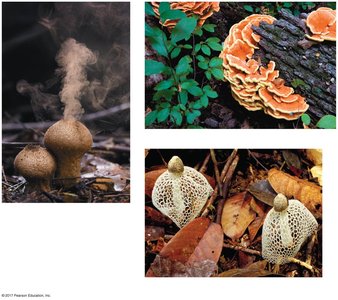
Distinguishing Features of Major Fungal Phyla
Phylum | Distinguishing Features |
|---|---|
Chytridiomycota (chytrids) | Flagellated spores (zoospores) |
Zygomycota (zygomycetes) | Resistant zygosporangium as sexual stage |
Glomeromycota | Arbuscular mycorrhizae formed with plants |
Ascomycota (ascomycetes) | Sexual spores (ascospores) borne internally in sacs called asci; vast numbers of asexual spores (conidia) produced |
Basidiomycota (basidiomycetes) | Elaborate fruiting body (basidiocarp) containing many basidia that produce sexual spores (basidiospores) |
Summary
Fungi are essential organisms in ecosystems, medicine, and industry. Their unique structures, reproductive strategies, and ecological roles make them a fascinating and important group for study in biology.
