 Back
Gene Expression: From Gene to Protein (Chapter 17) – Mini-Textbook Study Notes
Study Guide - Smart Notes
 Tailored notes based on your materials, expanded with key definitions, examples, and context.
Gene Expression: From Gene to Protein
Introduction to Gene Expression
Gene expression is the process by which information encoded in a gene is used to direct the synthesis of a functional gene product, typically a protein. This process is fundamental to all living organisms and underlies the diversity of cell types and functions.
Gene Expression involves two main stages: transcription (DNA to RNA) and translation (RNA to protein).
Proteins produced through gene expression determine the phenotype of an organism.

The One Gene-One Enzyme Hypothesis
Historical Experiments and the Neurospora Model
The one gene-one enzyme hypothesis was a foundational concept in molecular biology, proposing that each gene encodes a specific enzyme. This idea was developed through studies of metabolic pathways and genetic diseases.
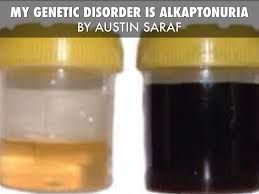
Alkaptonuria: An inherited disorder where individuals cannot metabolize homogentisic acid due to a defective enzyme, providing early evidence that genes control metabolic pathways.
Beadle and Tatum's Neurospora Experiment: Used the bread mold Neurospora crassa to demonstrate that specific genes control the production of specific enzymes in metabolic pathways.
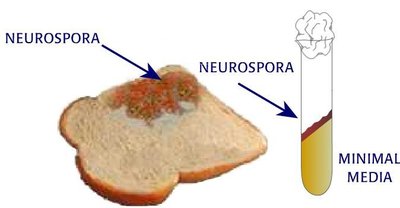
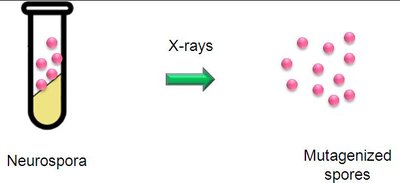
Mutants unable to grow on minimal medium were identified, indicating a block in a metabolic pathway due to a gene mutation.
Supplying the missing nutrient (e.g., an amino acid) restored growth, pinpointing the metabolic step affected.
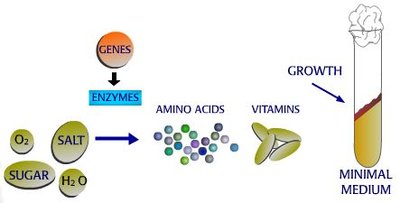
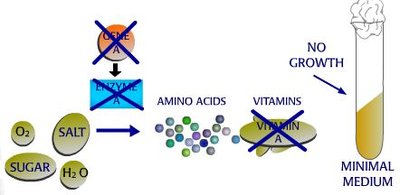
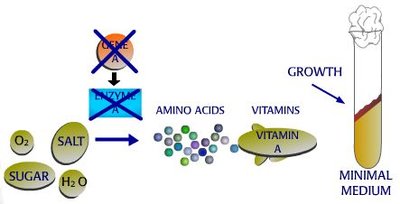
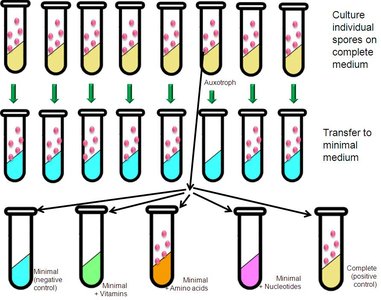
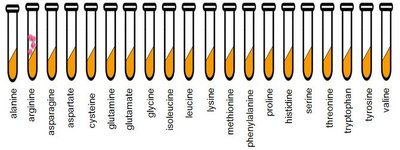
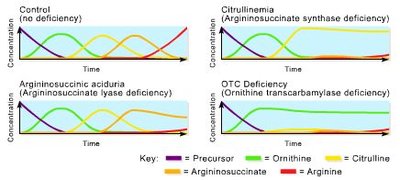
Three classes of arginine-requiring mutants were found, each defective in a different step of the arginine biosynthesis pathway.
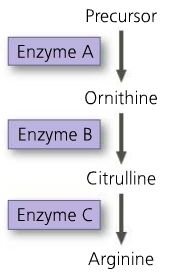
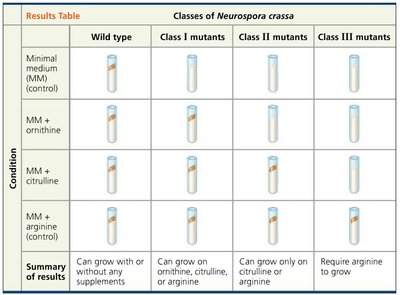
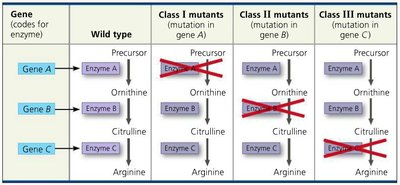
Conclusion: Each gene encodes a single enzyme that affects a single step in a metabolic pathway. This was later refined to the one gene-one polypeptide hypothesis, as not all proteins are enzymes and some proteins are made of multiple polypeptides.
Gene Expression: The Central Dogma
Overview of Transcription and Translation
The central dogma of molecular biology describes the flow of genetic information: DNA is transcribed into RNA, which is then translated into protein.
Transcription: Synthesis of RNA from a DNA template.
Translation: Synthesis of a polypeptide using the information in the mRNA.
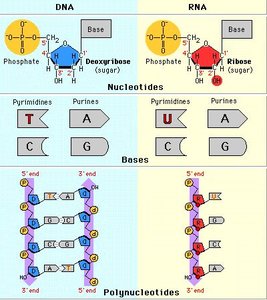
DNA vs. RNA
DNA: Double-stranded, contains deoxyribose, bases are A, T, C, G.
RNA: Single-stranded, contains ribose, bases are A, U, C, G.
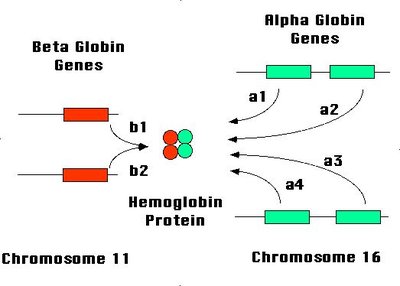
Prokaryotic vs. Eukaryotic Gene Expression
Prokaryotes: Transcription and translation are coupled; both occur in the cytoplasm.
Eukaryotes: Transcription occurs in the nucleus; RNA is processed before translation in the cytoplasm.
The Genetic Code
Codons and the Triplet Code
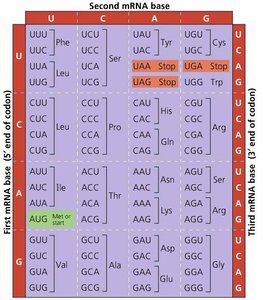
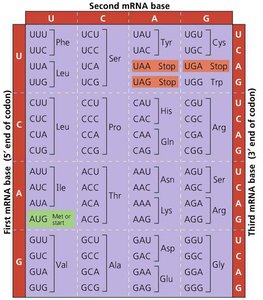
The genetic code is a set of rules by which information encoded in mRNA is translated into proteins. Each codon (a sequence of three nucleotides) specifies a particular amino acid.
There are 64 possible codons, with redundancy (more than one codon can code for the same amino acid).
Start codon: AUG (methionine); Stop codons: UAA, UAG, UGA.
Transcription: DNA to mRNA
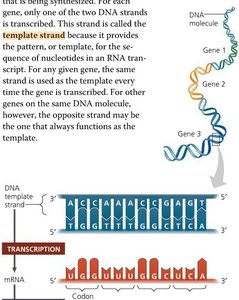
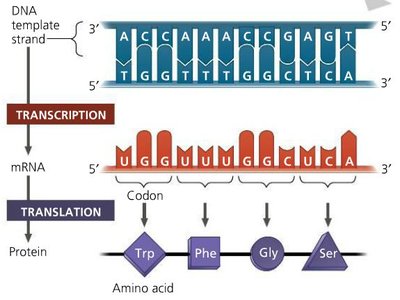
The template strand of DNA is used to synthesize a complementary mRNA strand.
Base pairing rules: A-U, T-A, C-G, G-C (in RNA, uracil replaces thymine).
Translation: mRNA to Protein
mRNA codons are read in the 5' to 3' direction by the ribosome.
Each codon specifies an amino acid, which is added to the growing polypeptide chain.
Practice Example
DNA Template: 3'-TAC TTC ACC CGT-5'
mRNA: 5'-AUG AAG UGG GCA-3'
Amino Acids: Met-Lys-Trp-Ala
Universality of the Genetic Code
The genetic code is nearly universal among all organisms, from bacteria to humans.
This allows genes from one organism to be expressed in another (e.g., human insulin produced in bacteria).
Transcription: DNA to RNA
Mechanism of Transcription
Transcription is the process by which RNA is synthesized from a DNA template. It occurs in three main stages: initiation, elongation, and termination.
Initiation: RNA polymerase binds to the promoter region (often containing a TATA box in eukaryotes) and unwinds the DNA.
Elongation: RNA polymerase moves along the template strand, synthesizing RNA in the 5' to 3' direction.
Termination: In prokaryotes, a termination sequence in DNA signals the end; in eukaryotes, a polyadenylation signal (AAUAAA) in the mRNA provides a cleavage site.
RNA Processing in Eukaryotes
Modifications to Pre-mRNA
In eukaryotes, the primary RNA transcript (pre-mRNA) undergoes several modifications before becoming mature mRNA.
5' Cap: Addition of a modified guanine nucleotide to the 5' end.
3' Poly-A Tail: Addition of 50-250 adenine nucleotides to the 3' end.
RNA Splicing: Removal of noncoding regions (introns) and joining of coding regions (exons).
Splicing is carried out by a complex called the spliceosome, composed of proteins and small RNAs.
Alternative splicing allows a single gene to code for multiple proteins.
Translation: RNA to Protein
Players in Translation
tRNA (transfer RNA): Brings amino acids to the ribosome; each tRNA has an anticodon complementary to an mRNA codon.
Ribosome: Composed of rRNA and proteins; facilitates the coupling of tRNA anticodons with mRNA codons and catalyzes peptide bond formation.
Ribosomes have three binding sites for tRNA: A (aminoacyl), P (peptidyl), and E (exit).
Stages of Translation
Initiation: Small ribosomal subunit binds mRNA and initiator tRNA; large subunit joins to form the initiation complex.
Elongation: Amino acids are added one by one to the growing polypeptide chain.
Termination: A stop codon is reached; release factor binds, and the complex disassembles.
Protein Folding and Post-Translational Modifications
Proteins fold into specific 3D shapes, sometimes with the help of chaperone proteins.
Post-translational modifications include addition of sugars, lipids, phosphates, or cleavage of the polypeptide.
Proteins may be targeted to specific cellular locations by signal peptides.
Mutations and Their Effects
Types of Mutations
Point Mutation: Change in a single nucleotide pair.
Silent Mutation: No effect on the amino acid sequence (due to redundancy in the genetic code).
Missense Mutation: Changes one amino acid to another; effect varies depending on the role of the altered amino acid.
Nonsense Mutation: Changes an amino acid codon to a stop codon, resulting in a truncated, usually nonfunctional protein.
Insertions and Deletions: Addition or loss of nucleotides; may cause frameshift mutations, altering the reading frame and usually resulting in nonfunctional proteins.
Example: The phrase "The red dog ate the bug" becomes "her edd oga tet heb ug" after a frameshift mutation.
Genetic Diseases and Mutations
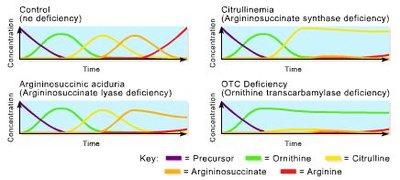
Mutations in metabolic pathways can lead to genetic diseases, such as citrullinemia, argininosuccinic aciduria, and ornithine transcarbamylase deficiency.
Summary Table: One Gene-One Enzyme Hypothesis (Neurospora Experiment)
Condition | Wild type | Class I mutants | Class II mutants | Class III mutants |
|---|---|---|---|---|
Minimal medium (MM) | Grows | No growth | No growth | No growth |
MM + ornithine | Grows | Grows | No growth | No growth |
MM + citrulline | Grows | Grows | Grows | No growth |
MM + arginine | Grows | Grows | Grows | Grows |
Summary | Can grow with or without supplements | Can grow on ornithine, citrulline, or arginine | Can grow on citrulline or arginine | Require arginine to grow |
Key Terms
Gene Expression: The process by which information from a gene is used to synthesize a functional gene product.
Transcription: The synthesis of RNA from a DNA template.
Translation: The synthesis of a polypeptide using the information in mRNA.
Codon: A sequence of three nucleotides in mRNA that specifies an amino acid.
Mutation: A change in the genetic information of a cell.
Additional info: This guide expands on the original notes with definitions, examples, and context for clarity and completeness, suitable for college-level biology students.
