Back
Gene Expression, Regulation, and Mutations in Eukaryotes and Prokaryotes
Study Guide - Smart Notes
 Tailored notes based on your materials, expanded with key definitions, examples, and context.
Gene Expression and the Central Dogma
Information Flow: DNA to Phenotype
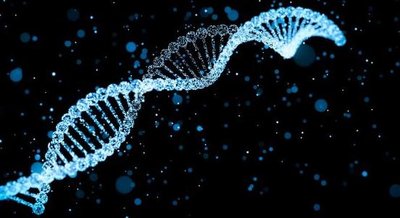
The central dogma of molecular biology describes the flow of genetic information from DNA to RNA to protein, ultimately determining an organism's phenotype. This process is fundamental to understanding how genes control traits and how changes in genetic material can affect cellular function.
Genotype: The genetic makeup of an organism, encoded in its DNA.
Phenotype: The observable characteristics or traits of an organism, resulting from gene expression.
Messenger RNA (mRNA): Transcribes genetic information from DNA and serves as a template for protein synthesis.
Co-linearity: The sequence of nucleotides in DNA corresponds directly to the sequence of amino acids in a protein.
Example: A mutation in the DNA sequence can alter the mRNA and, consequently, the protein produced, leading to a change in phenotype.
Mutations
Definition and Impact
Mutations are changes in the DNA sequence that can affect gene function and regulation. They are a primary source of genetic variation and can have diverse effects on phenotype.
Types of Mutations: Point mutations, insertions, deletions, and chromosomal rearrangements.
Effects: Mutations can be silent (no effect), missense (change one amino acid), nonsense (introduce a stop codon), or frameshift (alter the reading frame).
Gene Regulation: Mutations can also affect regulatory regions, altering when, where, or how much a gene is expressed.
Example: A mutation in a regulatory element may increase or decrease the expression of a gene, leading to altered cellular function.
Gene Regulation
Purpose and Importance
Gene regulation ensures that genes are expressed at the right time, in the right cell type, and in the appropriate amount. This is crucial for development, cellular differentiation, and response to environmental changes.
When: Timing of gene expression (e.g., during development or in response to signals).
Where: Spatial expression in specific tissues or cells.
How Much: Level of gene expression (amount of protein produced).
Which Gene: Specific genes turned on or off in response to internal or external cues.
Example: In single-celled organisms, gene regulation allows rapid adaptation to environmental changes, such as nutrient availability or stress.
Mechanisms of Gene Regulation
Chromosome Remodeling: Structural changes to chromatin that affect gene accessibility.
Transcription Factors: Proteins that bind to specific DNA sequences (promoters, enhancers, silencers) to regulate transcription.
Activators and Repressors: Regulatory proteins that increase or decrease gene expression.
Alternative Splicing: Generation of multiple mRNA variants from a single gene.
Example: The Gal4-UAS system in yeast regulates galactose metabolism by activating or repressing gene expression in response to the presence of galactose.
Gene Regulation in Prokaryotes vs. Eukaryotes
Prokaryotic Gene Regulation
Prokaryotes, such as bacteria, regulate gene expression primarily at the transcriptional level to respond quickly to environmental changes.
Operons: Groups of genes regulated together by a single promoter (e.g., lac operon).
Regulatory Proteins: Activators and repressors that bind to operator regions to control transcription.
Example: Temperature-dependent gene expression in pathogenic bacteria can control infection processes.
Eukaryotic Gene Regulation
Eukaryotes use more complex regulatory mechanisms, including multiple regulatory elements and chromatin remodeling, to achieve precise control over gene expression.
Promoters: DNA sequences where RNA polymerase and general transcription factors bind to initiate transcription.
Enhancers: Distal regulatory elements that increase transcription in specific tissues, times, or levels.
Silencers: Regulatory elements that repress transcription in specific contexts.
Specific Transcription Factors: Bind enhancers or silencers to modulate gene expression in response to developmental or environmental signals.
Example: Cell differentiation during development is controlled by the selective expression of genes in different cell lineages (ectoderm, mesoderm, endoderm).
Transgenic Organisms and Universal Genetic Code
Transgenics (GMO)
Because the genetic code is universal, genes and regulatory elements can be transferred between species, enabling the creation of genetically modified organisms (GMOs).
Applications: Golden rice (expressing daffodil and bacterial genes for beta-carotene), Bt corn (expressing bacterial toxin gene for pest resistance).
Gal4-UAS System: Used in model organisms (e.g., fruit fly) to drive expression of genes of interest in specific tissues.
Example: The green fluorescent protein (GFP) gene from jellyfish can be expressed in neurons to visualize neural networks.
Summary Table: Regulatory Elements and Their Functions
Element | Location | Function | Example |
|---|---|---|---|
Promoter | Proximal to gene | Initiates transcription | Core promoter (TATA box) |
Enhancer | Distal or proximal | Increases transcription | UAS in yeast |
Silencer | Distal or proximal | Represses transcription | Neuron-specific silencer |
Operator | Prokaryotes, near promoter | Regulates operon transcription | lac operon |
Key Equations
Central Dogma:
Mutation Rate:
Relevant Images