 Back
Gene Mutation and DNA Repair: Study Notes for General Biology
Study Guide - Smart Notes
 Tailored notes based on your materials, expanded with key definitions, examples, and context.
Gene Mutation and DNA Repair
Definition and Significance of Mutation
A mutation is a change in the DNA sequence that can result in the production of a different protein or no protein at all. Mutations are fundamental to genetic diversity, disease, and evolution. They can occur in any organism and may have a range of effects, from benign to lethal.
Mutation: Any alteration in the nucleotide sequence of DNA.
Protein Impact: Mutations may change the structure and function of proteins, leading to altered phenotypes.
Example: Brittle Bone Disease and Lou Gehrig’s disease are caused by mutations in specific genes.
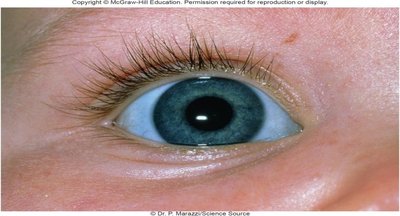
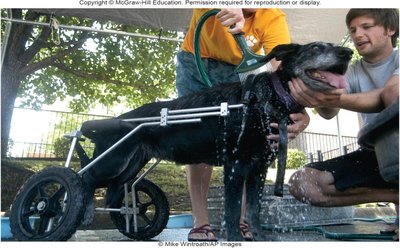
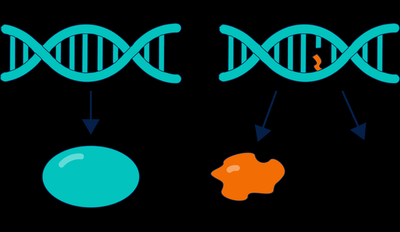
Types of Mutations: Germ-Line vs. Somatic
Mutations can occur in different cell types, affecting inheritance and organismal development.
Germ-line mutations: Occur in cells that give rise to gametes (sperm and egg). These mutations are heritable and can be passed to offspring.
Somatic mutations: Occur in non-germ cells. These are not inherited but can affect the individual, often leading to localized effects such as cancer.
Cell Division: Somatic cells divide by mitosis; only descendants of the mutated cell carry the mutation.
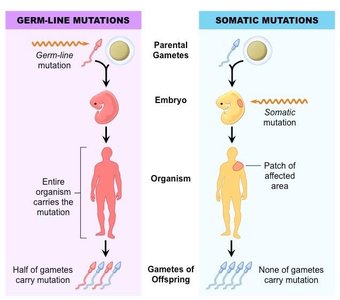
Fitness and Effects of Mutations
The fitness of a mutation refers to its impact on the survival and reproductive success of an organism. Mutations can be classified based on their effects:
Lethal: Cause embryos or juveniles to be non-viable.
Harmful: Lower survival and reproduction but are not lethal.
Silent (neutral): No effect on phenotype.
Beneficial: Increase fitness, often in new environments.
Types of DNA Sequence Changes
Mutations can alter the genetic code in several ways, affecting protein synthesis:
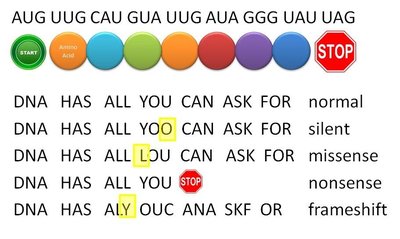
Silent mutation: Base-pair change that does not alter the amino acid due to genetic code redundancy.
Missense mutation: Base-pair change resulting in a different amino acid.
Nonsense mutation: Base-pair change that creates a stop codon, terminating translation prematurely.
Frameshift mutation: Insertion or deletion that shifts the reading frame, altering downstream amino acids.
Example: Sickle Cell Anemia
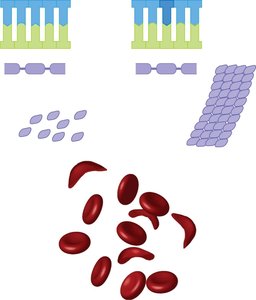
Sickle Cell Anemia is caused by a single base substitution (missense mutation) in the hemoglobin gene, resulting in abnormal aggregation of hemoglobin molecules and sickle-shaped red blood cells.
Normal: No aggregation of hemoglobin; normal erythrocytes.
Mutated: Abnormal aggregation; sickle cells.
Causes of Mutation
Mutations can occur spontaneously or be induced by external agents called mutagens.
Spontaneous mutations: Result from errors in DNA replication or unusual base pairing.
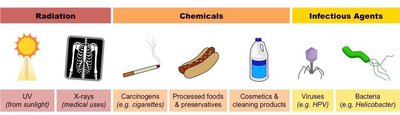
Induced mutations: Caused by mutagens such as radiation, chemicals, or infectious agents.
Spontaneous Mutations
Spontaneous mutations arise from natural processes within the cell:
Uncommon base forms: Bases may adopt rare forms that pair incorrectly during replication.
DNA symmetry: Repeats and palindromic sequences can confuse enzymes, leading to errors.
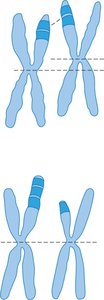
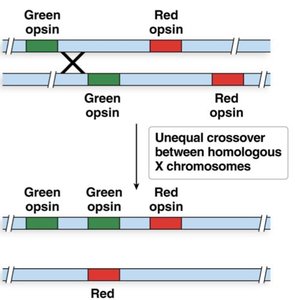
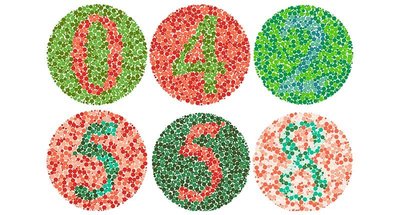
Gene duplication: Misalignment during crossing over can result in gene copy number changes.
Trinucleotide repeat expansion: Strand slippage increases repeat numbers, causing disorders.
Induced Mutations
Induced mutations are caused by environmental factors:
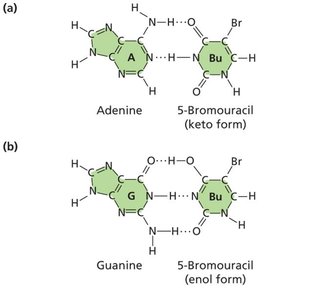
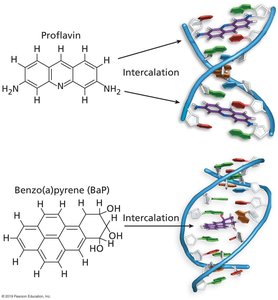
Chemical mutagens: Can mimic bases or intercalate between DNA strands, causing mismatches or frameshifts.
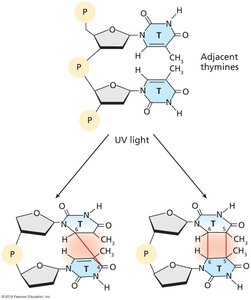
Radiation mutagens: UV light and X-rays can break DNA or cause photoproducts, leading to mutations.
Infectious agents: Bacteria and viruses can break DNA, alter methylation, or impair repair mechanisms.
DNA Repair Systems
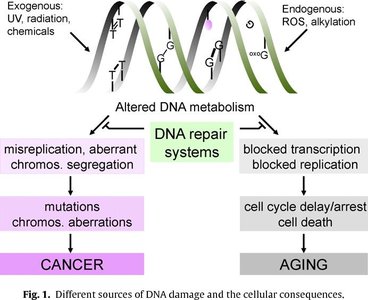
Organisms possess highly conserved DNA repair systems to detect and correct DNA damage. These mechanisms are essential for maintaining genetic integrity and preventing disease.
Direct repair: Enzymes fix DNA damage directly.
Damage avoidance: Cells may delay the cell cycle or undergo cell death to prevent propagation of damaged DNA.
Consequences: Unrepaired damage can lead to cancer or aging.
Summary Table: Human Trinucleotide Repeat Disorders
Trinucleotide repeat expansion disorders are caused by increases in repeat numbers in specific genes, leading to various phenotypes.
Disease | Repeat Sequence | Normal Range | Disease Range | Principal Phenotype |
|---|---|---|---|---|
Fragile X syndrome | CGG | 6-50 | 200-2000 | Mental retardation |
Friedreich ataxia | GAA | 6-34 | 200-2000 | Loss of coordination |
Huntington disease | CAG | 10-34 | 40-100 | Uncontrolled movement |
Myotonic dystrophy (type 1) | CTG | 5-37 | 80-1000 | Muscle weakness |
Spinal and bulbar muscular atrophy | CAG | 14-44 | 45-140 | Muscle wasting |
Spinocerebellar ataxia | CAG | 4-44 | 45-140 | Loss of coordination |
Conclusion
Mutations are central to genetics, evolution, and disease. Understanding their types, causes, and repair mechanisms is essential for studying biology at the molecular level.
Additional info: Expanded explanations and context were added to clarify mutation types, effects, and repair mechanisms for exam preparation.
