 Back
Gene Regulation, Alternative Splicing, and the Foundations of Genetics
Study Guide - Smart Notes
 Tailored notes based on your materials, expanded with key definitions, examples, and context.
Gene Regulation
Mechanisms of Gene Regulation
Gene regulation is the process by which cells control the expression and timing of genes, ensuring proper development, function, and adaptation. It is essential for cellular differentiation and organismal complexity.
Chromosome Remodeling: Structural changes in chromatin can make genes more or less accessible for transcription.
Regulatory Genes: These genes encode activators and repressors that modulate gene expression.
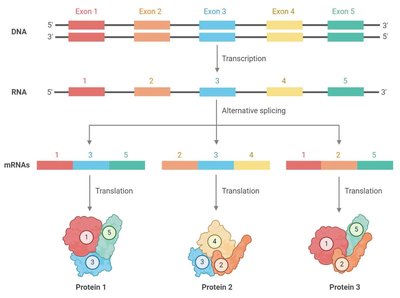
Alternative Splicing: A single gene can produce multiple mRNA variants, leading to different protein products.
Alternative Splicing
Alternative splicing is a post-transcriptional process where exons and introns are rearranged, skipped, or included in various combinations, resulting in diverse proteins from a single gene.
Mutually Exclusive Exons: Only one of several exons is included in the final mRNA.
Exon Skipping: Certain exons are omitted from the mature mRNA.
Constitutive Splicing: All exons are retained in the mRNA.
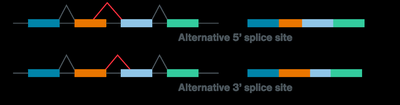
Alternative Splice Sites: Different 5' or 3' splice sites are used, altering exon boundaries.



Functional Consequences of Alternative Splicing
The resulting protein variants may differ in their functional domains, affecting cellular processes and organismal traits.
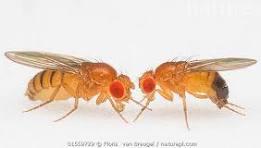
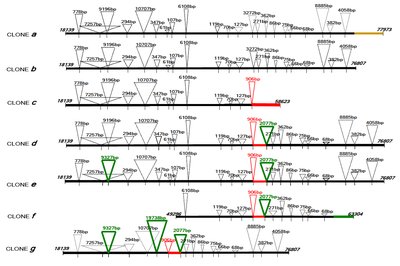
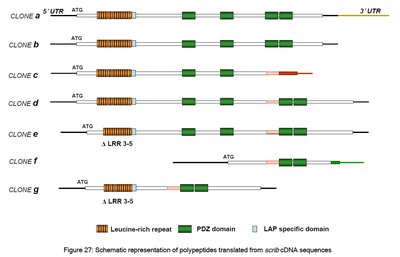
Example: In Drosophila melanogaster, the SCRIBBLE gene produces seven alternatively spliced variants, each with distinct protein-binding domains.
Sex-specific Regulation: Alternative splicing can generate male- and female-specific proteins, influencing sex-specific behaviors.
Gene Regulation and Evolution
Regulatory Changes Drive Evolution
Evolution often proceeds through modifications in gene regulation rather than changes in gene sequences.
Small Tweaks: Minor changes in regulatory elements can have significant phenotypic effects.
DNA Methylation: Epigenetic modifications, such as methylation of promoter regions, can alter gene expression between species.
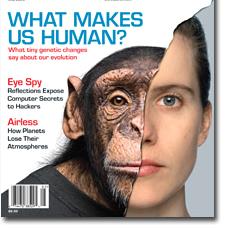
Example: Humans and chimps share 98% DNA sequence homology, but differences in gene regulation (e.g., methylation patterns in the BRCA1 promoter) contribute to species-specific traits.
Transmission Genetics: Historical Foundations
Early Theories of Inheritance
Before Mendel, theories of inheritance included Pangenesis and Blending Inheritance.
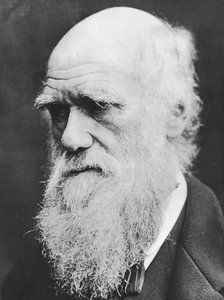
Pangenesis: Proposed by Darwin, suggested that "gemmules" from all parts of the body contributed to offspring.
Blending Inheritance: Traits from parents were thought to blend in offspring, leading to loss of variation over generations.
Problems with Blending Inheritance
Blending inheritance could not explain the preservation of variation necessary for natural selection.
Without variation, evolution would lack raw material.
Weismann's Germplasm Theory
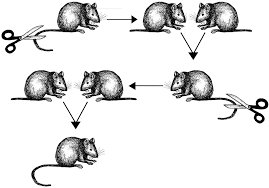
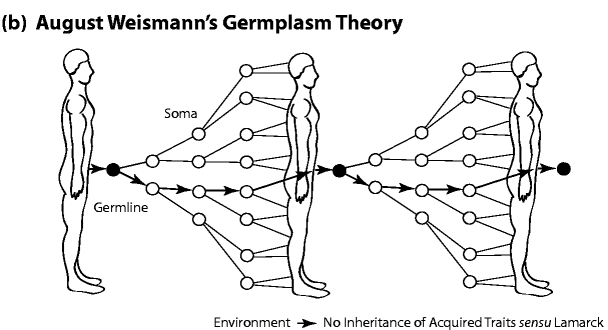
August Weismann demonstrated that acquired traits are not inherited, refuting Darwin's pangenesis.
Experiment: Cutting off rat tails for 22 generations did not produce tailless offspring.
Germplasm Theory: Only genetic material in germ cells is transmitted; somatic changes are not inherited.
Mendelian Genetics
Gregor Mendel's Contributions
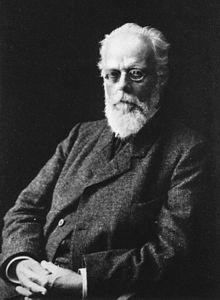
Gregor Mendel, through experiments with Pisum sativum (pea plants), established the laws of inheritance.
Traits are preserved: Variation is maintained across generations.
Fidelity: Traits are passed down with high accuracy.
Diploidy: Genetic information is inherited in pairs, allowing for variation without mutation.
Statistical Analysis: Mendel applied quantitative methods to biological data, revolutionizing genetics.
Why Pea Plants?
Pea plants were ideal for Mendel's experiments due to their distinct traits, ease of cultivation, and ability to self- and cross-pollinate.
Distinct Traits: Easily observable characteristics (e.g., flower color, seed shape).
Controlled Crosses: Mendel could manipulate pollination to study inheritance patterns.
Summary Table: Theories of Inheritance
Theory | Main Idea | Evidence | Current Status |
|---|---|---|---|
Pangenesis | Gemmules from all body parts contribute to offspring | Disproved by Weismann's rat tail experiment | Debunked |
Blending Inheritance | Traits blend in offspring, variation lost | Cannot explain preserved variation | Debunked |
Germplasm Theory | Only germ cells transmit genetic material | Supported by experiments | Accepted |
Mendelian Genetics | Traits are inherited discretely, variation preserved | Supported by pea plant experiments | Accepted |
Key Equations and Concepts
Mendel's Law of Segregation
Each individual has two alleles for each gene; these alleles segregate during gamete formation.
Mendel's Law of Independent Assortment
Alleles of different genes assort independently during gamete formation.
Gene Regulation Equation
Gene expression can be modeled as:
Conclusion
Understanding gene regulation, alternative splicing, and the foundations of genetics is essential for grasping how traits are inherited, how variation is preserved, and how evolution operates at the molecular level. These concepts form the basis of modern biology and biotechnology.
