 Back
General Biology: Foundations, Chemistry of Life, and Macromolecules
Study Guide - Smart Notes
 Tailored notes based on your materials, expanded with key definitions, examples, and context.
Biological Organization and Emergent Properties
Levels of Biological Organization
Life is organized into a hierarchy of structural levels, each with unique properties that emerge from the interactions of their components.
The Biosphere: All life on Earth and the places where life exists.
Ecosystems: All living things in a particular area plus nonliving components (e.g., soil, water).
Communities: Different species living together in an area.
Populations: Individuals of the same species in a specific area.
Organisms: Individual living entities.
Organs: Body parts made of multiple tissues with specific functions.
Tissues: Groups of similar cells performing a function.
Cells: Fundamental unit of structure and function in living things.
Organelles: Functional components within cells.
Molecules: Chemical structures consisting of two or more atoms.
Emergent Properties: New properties arise at each level due to the arrangement and interactions of parts as complexity increases.
Structure and Function: Structure and function are correlated at all levels of biological organization.
The Cell: Basic Unit of Life
Prokaryotic vs. Eukaryotic Cells
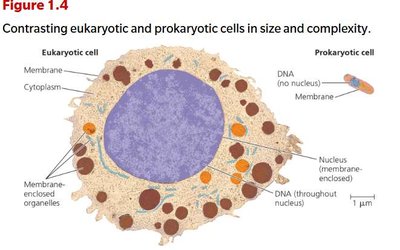
Cells are the smallest units capable of all life’s activities. There are two main types:
Prokaryotic Cells: Lack a nucleus; DNA is free in the cytoplasm. Examples: Bacteria, Archaea.
Eukaryotic Cells: Have a nucleus and membrane-bound organelles. Examples: Plants, Animals, Fungi, Protists.
Genetic Material and Gene Expression
DNA Structure and Function
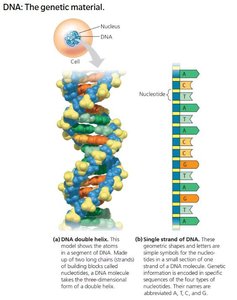
DNA (Deoxyribonucleic Acid): The molecule that stores genetic information. Each chromosome contains one long DNA molecule with many genes (units of inheritance).
DNA is a double helix composed of four nucleotides: Adenine (A), Thymine (T), Cytosine (C), Guanine (G).
DNA’s structure allows it to store and transmit genetic information.
Gene Expression
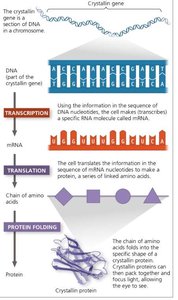
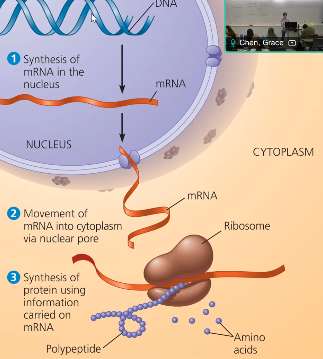
Gene expression is the process by which information from a gene is used to synthesize a functional gene product, usually a protein.
Transcription: DNA is transcribed into messenger RNA (mRNA).
Translation: mRNA is translated into a chain of amino acids (protein).
Some genes code for RNAs that are not translated into proteins but have other functions.
Genomics and Proteomics
Genome: The complete set of genetic instructions in an organism.
Genomics: Study of whole sets of genes and their interactions.
Proteomics: Study of the full set of proteins (proteome) and their properties.
Energy, Matter, and Ecosystem Dynamics
Energy Flow and Chemical Cycling
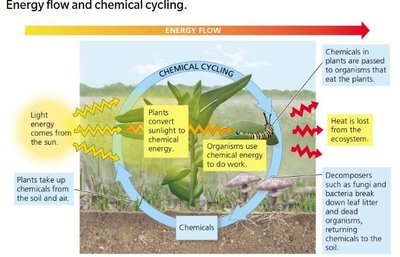
Energy flows through ecosystems, while matter cycles within them.
Producers (e.g., plants) convert sunlight into chemical energy via photosynthesis.
Consumers use this chemical energy, and some is lost as heat.
Decomposers recycle chemicals back into the environment.
Evolution: The Core Theme of Biology
Definition and Mechanism
Evolution: The process of change over time that has resulted in the diversity of life. It explains both the unity and diversity of organisms.
Natural selection is the main mechanism: individuals with advantageous traits reproduce more successfully.
Evolution is both a scientific theory and a fact, supported by extensive evidence.
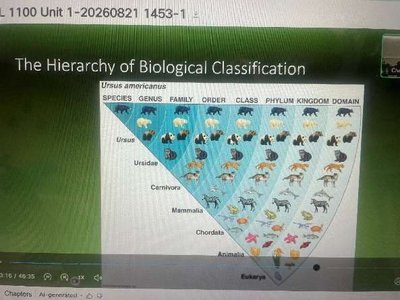
Classification of Life
Three domains: Bacteria, Archaea (both prokaryotic), and Eukarya (eukaryotic).
Eukarya includes Kingdoms Plantae, Fungi, Animalia, and Protists.
The Process of Science
Scientific Inquiry and Method
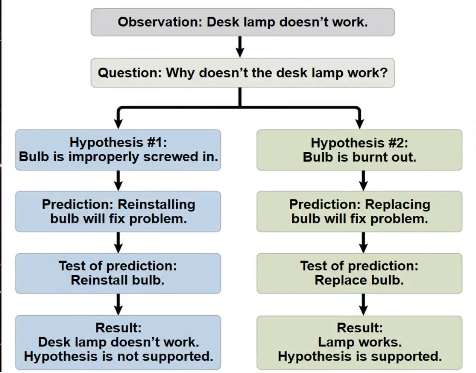
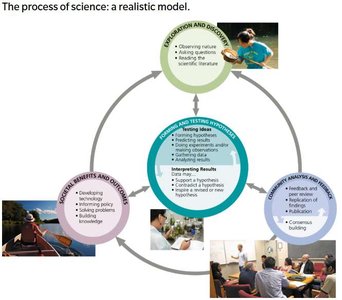
Science is a systematic approach to understanding the natural world through observation, hypothesis formation, experimentation, and analysis.
Observation: Gathering information using senses or tools.
Question: Identifying a specific problem or gap in knowledge.
Hypothesis: A testable explanation for observations.
Prediction: Logical outcome expected if the hypothesis is correct.
Experiment: Testing the prediction with controlled variables.
Result: Data collected from the experiment.
Conclusion: Determining if the hypothesis is supported or rejected.
Theory: A broad explanation supported by a large body of evidence.
The Chemical Context of Life
Elements, Atoms, and Compounds
All matter is composed of elements, which are substances that cannot be broken down by chemical reactions. Atoms are the smallest units of elements, and compounds are substances formed by two or more elements in fixed ratios.
Major elements in living organisms: Oxygen, Carbon, Hydrogen, Nitrogen (~96% of living matter).
Trace elements are required in small amounts.
Atomic Structure
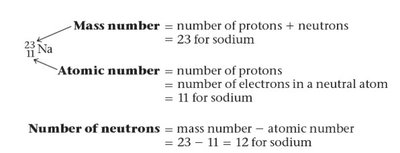
Atoms consist of protons (positive), neutrons (neutral), and electrons (negative).
Atomic number = number of protons; Mass number = protons + neutrons.
Isotopes are atoms of the same element with different numbers of neutrons.
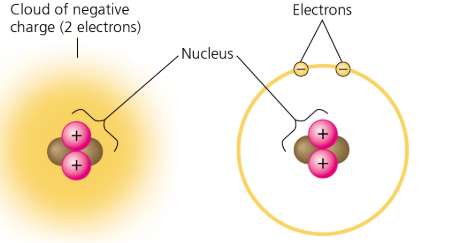
Electron Configuration and Chemical Bonds
Electrons occupy energy levels (shells) around the nucleus.
Valence electrons in the outer shell determine chemical behavior.
Atoms with incomplete valence shells form chemical bonds to achieve stability.
Covalent and Ionic Bonds
Covalent bonds: Atoms share electrons (single, double, or triple bonds).
Ionic bonds: Atoms transfer electrons, forming charged ions (cations and anions).
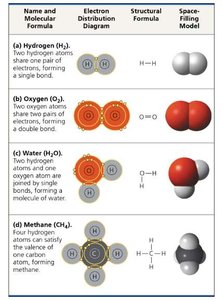
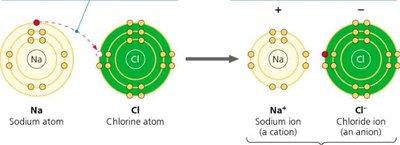
Chemical Reactions
Chemical reactions make and break chemical bonds, converting reactants to products. Many reactions are reversible and can reach chemical equilibrium.
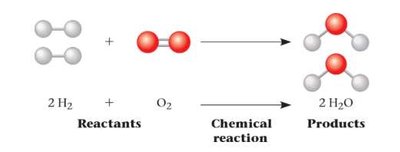
Water and Life
Hydrogen Bonding and Properties of Water
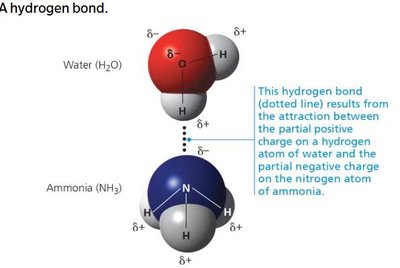
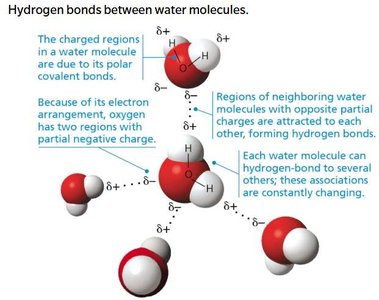
Hydrogen bonds form between the slightly positive hydrogen of one water molecule and the slightly negative oxygen of another.
These weak bonds are responsible for water’s unique properties: cohesion, adhesion, high specific heat, heat of vaporization, and expansion upon freezing.
Acids, Bases, and pH
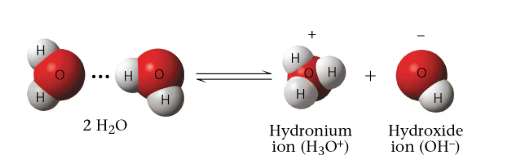
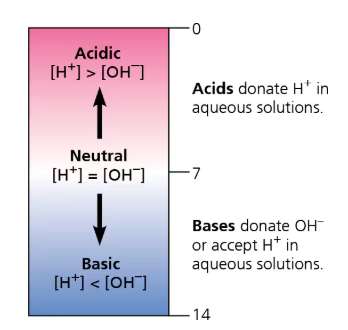
Acids increase the concentration of H+ ions in solution; bases decrease it.
pH is the negative logarithm of H+ concentration:
The pH scale ranges from 0 (acidic) to 14 (basic), with 7 as neutral.
Buffers help maintain stable pH in biological systems.
Acidification and Ocean Chemistry
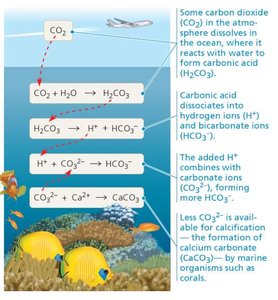
Increased atmospheric CO2 dissolves in oceans, forming carbonic acid and lowering pH, which threatens marine organisms that rely on calcium carbonate for their skeletons and shells.
Carbon and the Molecular Diversity of Life
Properties of Carbon
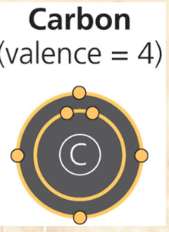
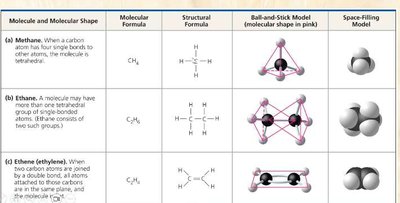
Carbon forms four covalent bonds, allowing for a diversity of stable organic molecules.
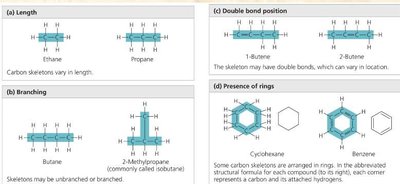
Carbon skeletons vary in length, branching, double bond position, and ring structure.
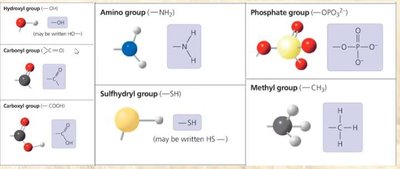
Functional Groups
Functional groups are specific groups of atoms attached to carbon skeletons that determine the chemical properties of organic molecules.
Macromolecules: Polymers and Monomers
Polymer Formation and Breakdown
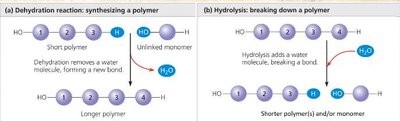
Polymers: Long molecules made of repeating units (monomers).
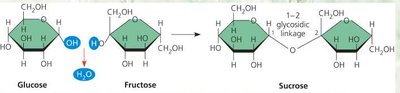
Dehydration reaction: Joins monomers by removing water.
Hydrolysis: Breaks polymers into monomers by adding water.
Carbohydrates
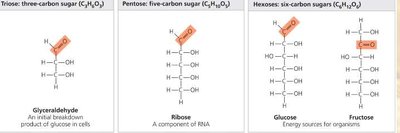
Include sugars and polymers of sugars.
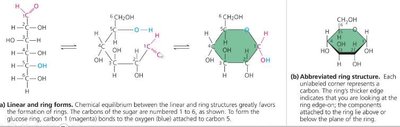
Monosaccharides: Simple sugars (e.g., glucose, fructose).
Disaccharides: Two monosaccharides joined by a glycosidic linkage (e.g., sucrose).
Polysaccharides: Long chains of monosaccharides (e.g., starch, glycogen, cellulose).
Proteins
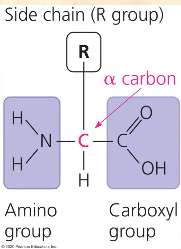
Composed of amino acids linked by peptide bonds.
Functions include catalysis, defense, storage, transport, communication, movement, and structure.
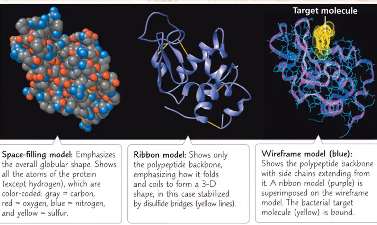
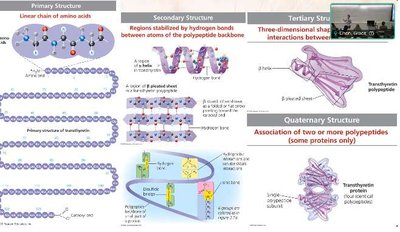
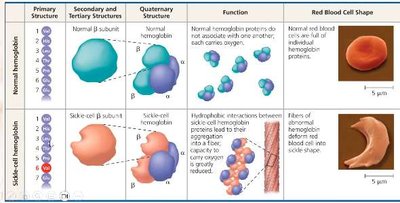
Protein structure has four levels: primary, secondary, tertiary, and quaternary.
Denaturation is the loss of protein structure and function due to environmental changes.
Nucleic Acids
Store, transmit, and express hereditary information.
DNA and RNA are polymers of nucleotides (composed of a phosphate group, sugar, and nitrogenous base).
Base pairing: Adenine (A) pairs with Thymine (T, in DNA) or Uracil (U, in RNA); Guanine (G) pairs with Cytosine (C).
 *Additional info: Some images referenced in the notes are not included if they do not directly reinforce the adjacent academic content. All included images are directly relevant to the explanations provided.*
