 Back
General Biology Study Notes: Foundations, Chemistry, and Molecular Diversity
Study Guide - Smart Notes
 Tailored notes based on your materials, expanded with key definitions, examples, and context.
Organization and Emergent Properties of Life
Levels of Biological Organization
The biological world is organized into hierarchical levels, each with unique properties and functions. Understanding these levels is fundamental to studying biology.
The Biosphere: All life on Earth and the places where life exists.
Ecosystems: Living organisms plus nonliving components (soil, water, air) in a specific area.
Communities: Multiple species living together in an ecosystem.
Populations: Individuals of a species within a defined area.
Organisms: Individual living entities.
Organs: Body parts made of multiple tissues with specific functions.
Tissues: Groups of cells working together, visible only under a microscope.
Cells: Fundamental unit of structure and function in living things.
Organelles: Functional components within cells.
Molecules: Chemical structures composed of atoms.
Emergent properties arise at each level due to the arrangement and interaction of components, leading to new functions not present at lower levels.
Structure and Function
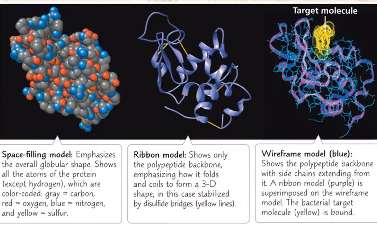
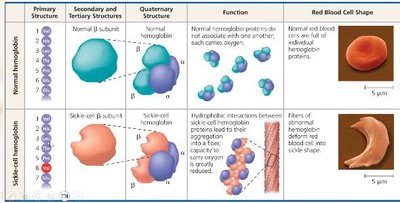
Structure and function are correlated at all levels of biological organization. For example, the shape of a protein determines its function, and the structure of a cell influences its activities.
The Cell: Basic Unit of Life
Types of Cells
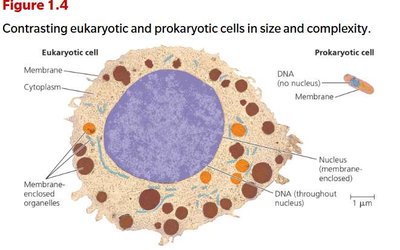
Cells are the smallest units capable of performing all activities required for life. There are two main types:
Prokaryotic Cells: Single-celled organisms (bacteria and archaea), lacking a nucleus and membrane-bound organelles.
Eukaryotic Cells: Contain membrane-enclosed organelles, including a nucleus that houses DNA.
Genetic Material and Gene Expression
DNA Structure and Function
DNA is the genetic material found in all living organisms. It consists of two long chains (strands) arranged in a double helix, made up of four types of nucleotides: adenine (A), thymine (T), cytosine (C), and guanine (G).
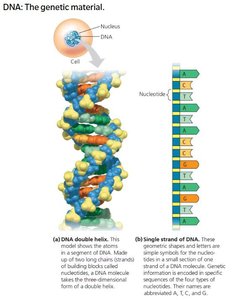
Chromosomes: Each chromosome contains a long DNA molecule with hundreds of genes.
Genes: Units of inheritance that encode information for building proteins.
Gene Expression
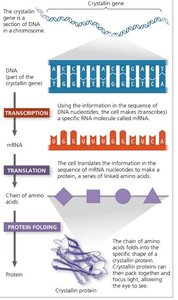
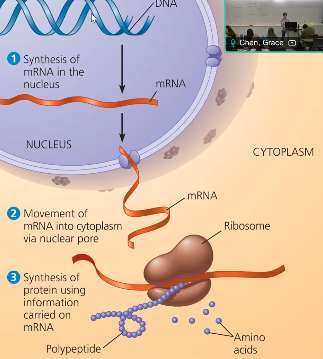
Gene expression is the process by which information from a gene is used to synthesize a functional product, typically a protein.
Transcription: DNA sequence is transcribed into messenger RNA (mRNA).
Translation: mRNA is translated into a chain of amino acids, forming a protein.
Some genes produce RNAs that serve other important functions and are not translated into proteins.
Energy and Matter in Biological Systems
Energy Flow and Chemical Cycling
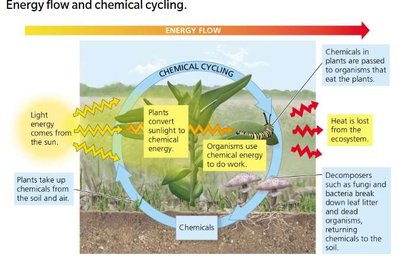
Energy flows through ecosystems, while matter cycles between organisms and the environment.
Producers: Convert sunlight into chemical energy (photosynthesis).
Consumers: Use chemical energy from producers.
Decomposers: Return chemicals to the environment by breaking down dead organisms.
Energy is lost as heat during these processes.
Evolution: Unity and Diversity of Life
Definition and Mechanism
Evolution is the scientific explanation for the unity and diversity of organisms. It describes how species change over time, often due to environmental pressures.
Natural Selection: Mechanism for evolutionary adaptation; individuals with advantageous traits have greater reproductive success.
Domains of Life: Bacteria, Archaea (prokaryotes), and Eukarya (eukaryotes: Plantae, Fungi, Animalia, Protists).
Key Features of Life
Order
Energy processing
Growth and development
Response to environment
Evolutionary adaptation
Reproduction
Regulation (homeostasis)
Scientific Inquiry and Methods
Scientific Method
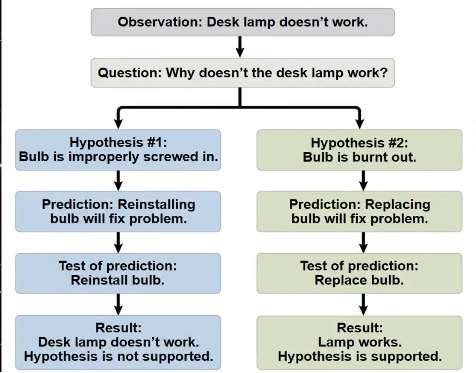
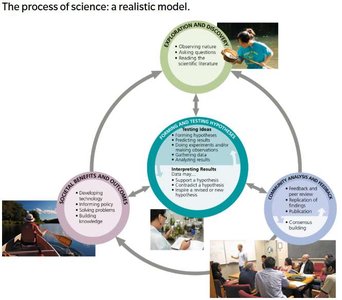
Science is a systematic approach to understanding natural phenomena. The scientific method involves observation, hypothesis formation, prediction, experimentation, and conclusion.
Observation: Gathering information using senses or tools.
Hypothesis: Testable explanation for observations.
Prediction: Logical forecast based on hypothesis.
Experiment: Procedure to test hypothesis.
Result: Outcome of experiment.
Conclusion: Determination of hypothesis validity.
Theory: Broad explanation supported by evidence.
Fact: Information verified by evidence.
Biological Classification
Hierarchy of Classification
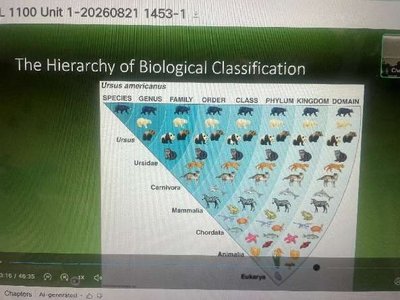
Biologists classify organisms using a hierarchical system: Domain, Kingdom, Phylum, Class, Order, Family, Genus, Species.
Binomial Nomenclature: Genus and species names, italicized, genus capitalized.
The Chemical Context of Life
Elements, Atoms, and Compounds
All matter is composed of chemical elements. An element cannot be broken down by chemical reactions. Atoms are the smallest units of matter, and compounds are substances formed by two or more elements in a specific ratio.
Essential Elements: Needed for life (e.g., oxygen, carbon, hydrogen, nitrogen).
Trace Elements: Required in small amounts.
Toxic Elements: Some elements are toxic, but organisms can adapt to their presence.
Atomic Structure
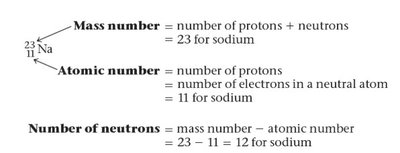
Atoms consist of protons (positive), neutrons (neutral), and electrons (negative). The atomic nucleus contains protons and neutrons.
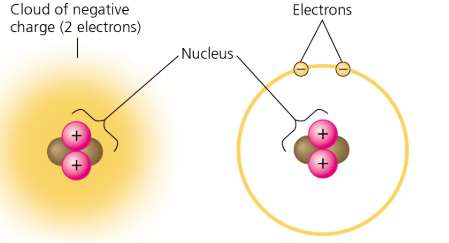
Isotopes: Atoms with the same number of protons but different numbers of neutrons.
Radioactive Isotopes: Unstable, decay spontaneously.
Potential Energy and Electron Shells
Electrons have potential energy based on their location. Electron shells have increasing energy levels with distance from the nucleus. Valence electrons in the outer shell determine chemical reactivity.
Chemical Bonds
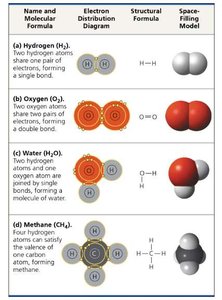
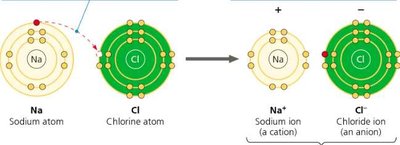
Atoms form chemical bonds by sharing or transferring electrons.
Covalent Bonds: Strongest, formed by sharing electrons.
Ionic Bonds: Attraction between oppositely charged ions.
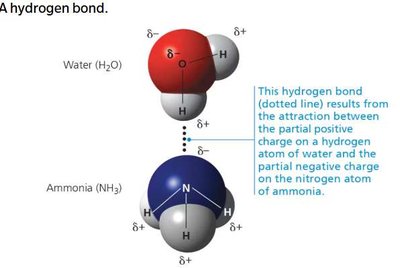
Hydrogen Bonds: Weak, formed between hydrogen and electronegative atoms.
Van der Waals Bonds: Weak, due to transient local charges.
Chemical Reactions
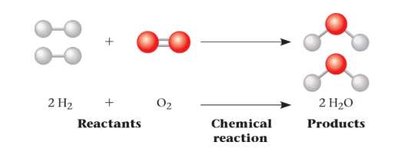
Chemical reactions make and break bonds, converting reactants to products. Reactions can be reversible, reaching chemical equilibrium when forward and reverse rates are equal.
Properties of Water
Hydrogen Bonding
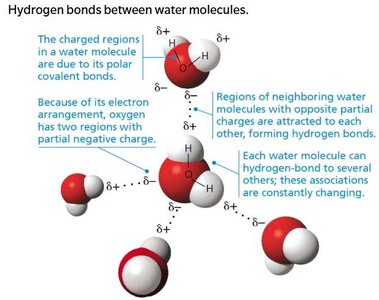
Hydrogen bonds form between the slightly positive hydrogen atom of one water molecule and the slightly negative oxygen atom of another. These bonds are responsible for many unique properties of water.
Important Properties of Water
Cohesion: Water molecules stick together, aiding surface tension and movement through plants.
Adhesion: Water molecules stick to other substances, helping water move upward in plant tissue.
High Specific Heat: Water absorbs heat, stabilizing temperatures.
Heat of Vaporization: Water requires energy to evaporate, cooling surfaces.
Expansion Upon Freezing: Ice is less dense than liquid water, allowing it to float and insulate aquatic life.
Water as the Solvent of Life
Water is a universal solvent, dissolving many substances to form solutions. Hydrophilic substances dissolve well in water, while hydrophobic substances do not.
Acids, Bases, and pH
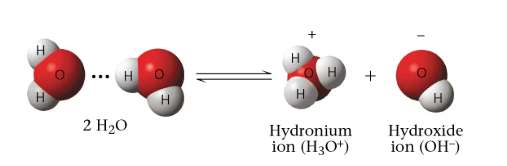
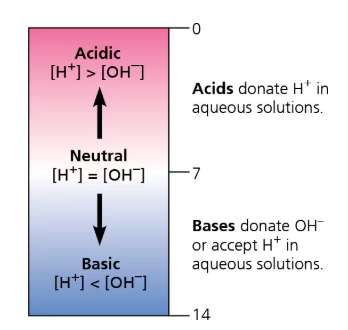
Acids donate H+ ions, bases accept H+ or donate OH-. The pH scale measures the concentration of hydrogen ions in solution.
pH Formula:
Acidic solutions: pH < 7
Basic solutions: pH > 7
Neutral solution: pH = 7
Buffers
Buffers minimize changes in pH by combining reversibly with hydrogen ions.
Acidification of Oceans
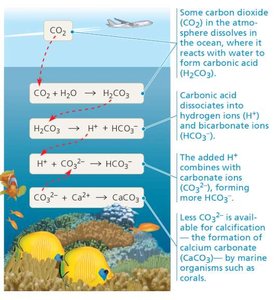
Burning fossil fuels increases CO2 in the atmosphere, which dissolves in oceans and forms carbonic acid, lowering pH and affecting marine life.
Carbon and Molecular Diversity of Life
Organic Compounds and Carbon Bonding
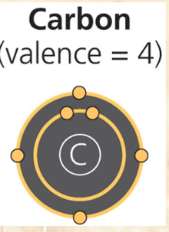
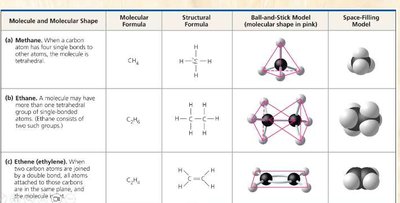
Organic compounds contain carbon, which forms four covalent bonds, allowing for diverse molecular structures. Biological molecules include carbohydrates, proteins, nucleic acids, and lipids.
Variation in Carbon Skeletons
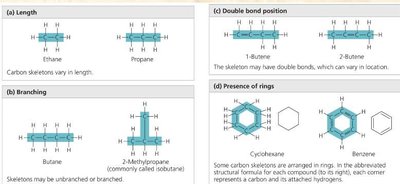
Carbon skeletons vary in length, branching, double bond position, and presence of rings, contributing to molecular diversity.
Functional Groups
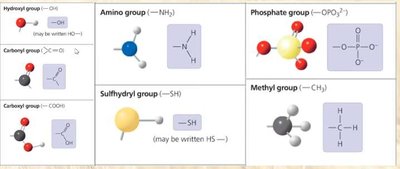
Functional groups are specific groups of atoms within molecules that determine chemical properties and reactions.
Macromolecules: Polymers and Monomers
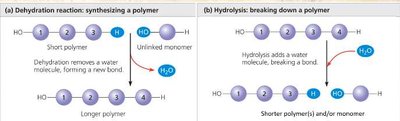
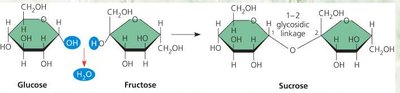
Macromolecules are large molecules built from monomers. Polymers are formed by dehydration reactions and broken down by hydrolysis.
Carbohydrates: Fuel and Building Materials
Types of Carbohydrates
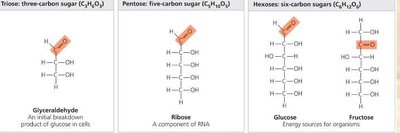
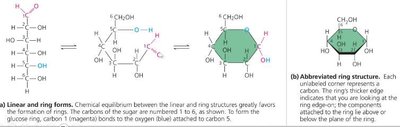
Monosaccharides: Simple sugars (e.g., glucose, fructose).
Disaccharides: Double sugars (e.g., sucrose, lactose, maltose).
Polysaccharides: Polymers of monosaccharides (e.g., starch, glycogen, cellulose, chitin).
Proteins: Structure and Function
Amino Acids and Protein Structure
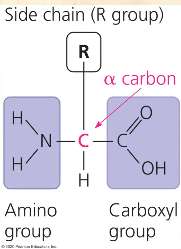
Proteins are polymers of amino acids, which differ by their side chains (R groups). Amino acids are linked by peptide bonds to form polypeptides.
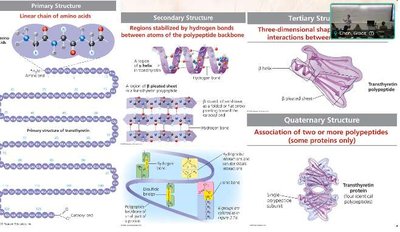
Levels of Protein Structure
Primary: Linear sequence of amino acids.
Secondary: Helices and sheets stabilized by hydrogen bonds.
Tertiary: Three-dimensional shape due to interactions among side chains.
Quaternary: Association of two or more polypeptides.
Protein Denaturation
Alterations in pH, salt concentration, or temperature can cause proteins to lose their native structure (denaturation), rendering them biologically inactive.
Nucleic Acids: Information Storage and Transmission
DNA and RNA
Nucleic acids store, transmit, and help express hereditary information. DNA and RNA are polymers of nucleotides, each consisting of a phosphate group, a sugar, and a nitrogenous base.
Pyrimidines: Cytosine, Thymine (DNA), Uracil (RNA)
Purines: Adenine, Guanine
Sugar: Deoxyribose (DNA), Ribose (RNA)
Gene Expression and Protein Synthesis
Gene expression involves transcription of DNA into mRNA and translation of mRNA into proteins. The sequence of nucleotides determines the sequence of amino acids in proteins.
Lipids: Hydrophobic Molecules
Types of Lipids
Fats: Glycerol head and three fatty acid tails; energy storage.
Phospholipids: Hydrophilic head and hydrophobic tails; major component of cell membranes.
Steroids: Four fused rings; includes cholesterol and hormones.
Additional info:
These notes cover the foundational chapters of General Biology, including biological organization, cell structure, genetic material, scientific methods, chemical context, properties of water, carbon chemistry, macromolecules, and molecular diversity.
Tables and diagrams have been recreated and expanded for clarity and completeness.
