 Back
BackGenes, Development, and Evolution: Evo-Devo Principles and Mechanisms
Study Guide - Smart Notes
 Tailored notes based on your materials, expanded with key definitions, examples, and context.
Genes, Development, and Evolution
Introduction to Evolutionary Developmental Biology (Evo-Devo)
Evolutionary developmental biology, or Evo-Devo, explores how genetic mechanisms drive the development of multicellular organisms and how changes in these mechanisms contribute to evolutionary diversity. Development integrates genetics, biochemistry, cell biology, and evolutionary theory to explain how a single cell (zygote) gives rise to a complex organism with specialized cell types.
Genetic Equivalence and Differential Gene Expression
Genetic Equivalence in Multicellular Organisms
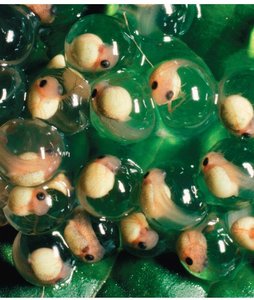
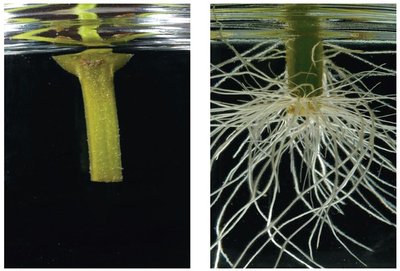
All cells in a multicellular organism contain the same genetic information, a concept known as genetic equivalence. However, cells differentiate into various types by expressing different subsets of genes, a process called differential gene expression. This selective gene expression leads to the formation of specialized cells with distinct structures and functions.
Genetic equivalence: All somatic cells have the same DNA content.
Differentiation: Achieved by turning specific genes on or off in response to developmental cues.
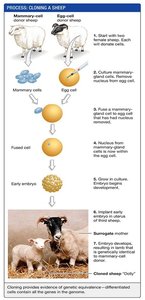
Cloning: Demonstrates genetic equivalence, as entire organisms can be regenerated from single differentiated cells.
Establishing the Body Plan
Body Axes and Positional Information
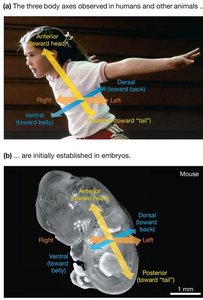
The fate of a cell during development depends on its position along three primary body axes: anterior-posterior (head to tail), dorsal-ventral (back to belly), and left-right. These axes are established early in embryogenesis and provide spatial cues for cell differentiation.
Anterior-Posterior axis: Head to tail orientation.
Dorsal-Ventral axis: Back to belly orientation.
Left-Right axis: Lateral orientation.
Genetic Regulatory Cascades
Genetic regulatory cascades are hierarchical networks of regulatory genes that provide increasingly specific positional information to cells. These cascades ensure that cells receive the correct instructions for their location and developmental fate.
Each gene in the cascade activates the next set of regulatory genes.
Results in precise spatial and temporal control of gene expression.
Genetic Regulatory Cascade in Drosophila (Fruit Fly) Embryos
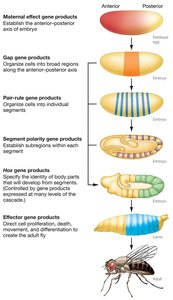
In Drosophila, a well-studied model organism, a series of gene classes orchestrate the development of body segments:
Maternal effect genes: Establish the anterior-posterior axis via morphogen gradients.
Gap genes: Define broad regions along the axis.
Pair-rule genes: Organize cells into individual segments.
Segment polarity genes: Define anterior and posterior within each segment.
Hox genes: Specify the identity of each segment.
Effector genes: Direct the formation of tissues and organs.
Master Genes and Homeotic Genes (Hox Genes)
Role of Master Genes
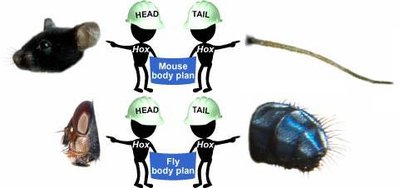
Master genes, also known as homeotic genes or Hox genes, control where, when, and how other genes are expressed during development. They encode transcription factors that regulate the expression of downstream genes, orchestrating the formation of body structures.
Highly conserved across animal species.
Often organized in clusters on chromosomes (colinearity).
Mutations can result in dramatic changes in body plan (homeotic mutations).
Homeotic Mutations in Drosophila
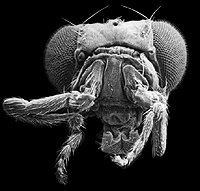
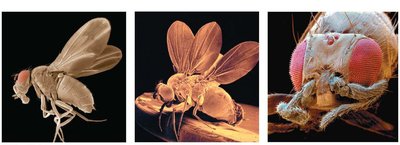
Mutations in Hox genes can cause body parts to develop in the wrong locations. For example, the Antennapedia mutation in fruit flies causes legs to form where antennae should be.
Loss-of-function: Body part fails to develop or is replaced by another structure.
Gain-of-function: Body part develops in an inappropriate location.
Conservation of Hox Genes Across Species
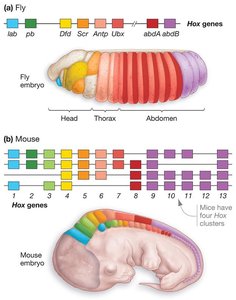
Hox genes are remarkably similar in organization and function across diverse animal species, indicating a common evolutionary origin. Experiments have shown that Hox genes from one species can functionally replace those in another, demonstrating their deep conservation.
Hox genes set up body axes and segment identity in both invertebrates and vertebrates.
Colinear arrangement on chromosomes is conserved.
Homology suggests early evolutionary origin.
Master Genes and the Development of Similar Structures
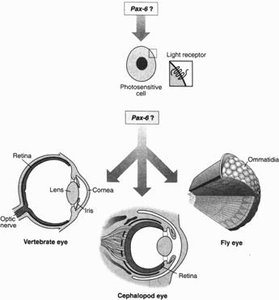
Master regulatory genes can initiate the development of analogous structures in different organisms. For example, PAX genes trigger eye development in both vertebrates and invertebrates, despite differences in eye structure.
Hox Genes and Morphological Diversity: Limb Loss in Snakes
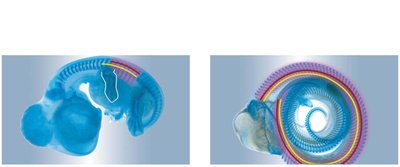
Changes in the expression patterns of Hox genes can lead to significant morphological differences. For instance, the coordinated expression of Hoxc6 and Hoxc8 in snakes prevents forelimb formation, whereas in tetrapods, these genes are expressed separately, allowing limb development.
Gene Duplication and Evolutionary Innovation
Mechanisms of Gene Duplication
Gene duplication is a major source of genetic novelty. It can occur through polyploidy (whole-genome duplication) or unequal crossing over during meiosis. Duplicated genes (paralogs) can acquire new functions or regulatory patterns, contributing to evolutionary innovation.
Duplicated genes may accumulate mutations without affecting the original gene's function.
Some duplicates become nonfunctional pseudogenes; others evolve new roles (neofunctionalization).
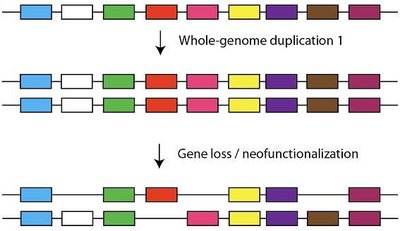
Gene Families: The Globin Genes
Gene families are groups of related genes with similar sequences and functions, often arising from gene duplication events. The globin gene family includes multiple α- and β-globin genes, each expressed at different developmental stages and with distinct oxygen-binding properties.
α-globin genes are located on chromosome 16; β-globin genes on chromosome 11.
Different globin genes are expressed in embryos, fetuses, and adults.
Pseudogenes are nonfunctional members of gene families.
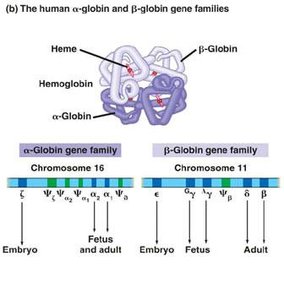
Connecting Evo-Devo to Evolutionary Theory
From Survival to Arrival of the Fittest
While classical evolutionary theory emphasizes the survival of the fittest, Evo-Devo focuses on the arrival of the fittest—how new, complex traits originate through changes in developmental genetics. Simple genetic changes, especially in regulatory genes, can produce profound morphological innovations, shaping the diversity of life.
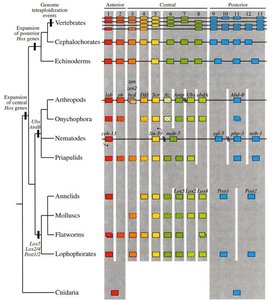
Additional info: Evo-Devo research continues to reveal how conserved genetic toolkits, gene duplications, and regulatory changes drive the evolution of form and function in multicellular organisms.
