 Back
Genetic Variation, Mendelian Genetics, and Extensions of Mendelian Inheritance
Study Guide - Smart Notes
 Tailored notes based on your materials, expanded with key definitions, examples, and context.
Sources of Genetic Variation
Mechanisms Generating Variation in Meiosis
Genetic variation is essential for evolution and adaptation. Meiosis introduces variation through three main mechanisms:
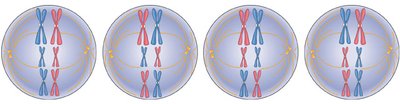
Independent Assortment: During metaphase I of meiosis, homologous chromosomes align randomly at the metaphase plate. This random orientation leads to a variety of possible genetic combinations in gametes.
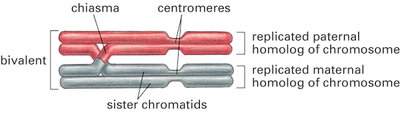
Recombination at Synapsis (Crossing Over): Homologous chromosomes exchange genetic material at points called chiasmata during prophase I, resulting in new allele combinations.
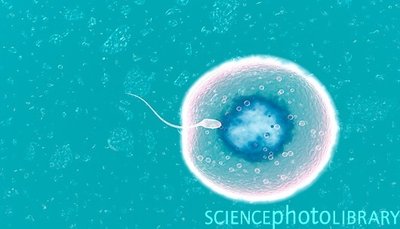
Fertilization: The fusion of two gametes (egg and sperm) is a random event, further increasing genetic diversity in offspring.
Foundations of Mendelian Genetics
Gregor Mendel and the Laws of Inheritance
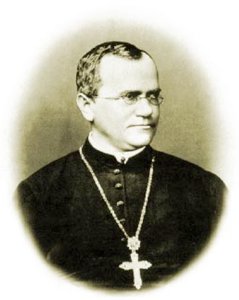
Gregor Mendel, through his experiments with pea plants, established the basic principles of heredity. He demonstrated that traits are inherited as discrete units (genes), not through blending.
Blending Hypothesis: The outdated idea that parental traits mix to form intermediate offspring. Mendel's experiments disproved this, showing that traits can reappear in later generations.
Mendel’s Experimental Approach
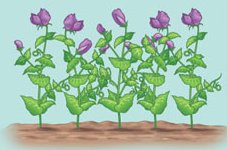
True-Breeding Plants: Mendel started with plants that consistently produced the same trait over generations.
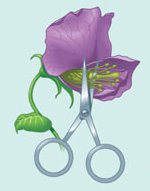
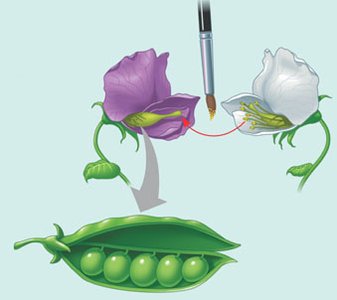
Controlled Crosses: He removed stamens to prevent self-fertilization and used pollen from other plants to fertilize flowers artificially.
Mendel’s Hypothesis and Laws
Four Components of Mendelian Genetics
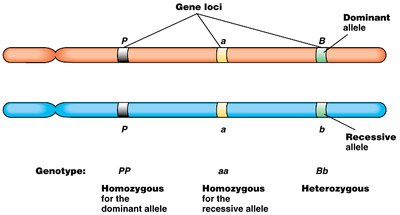
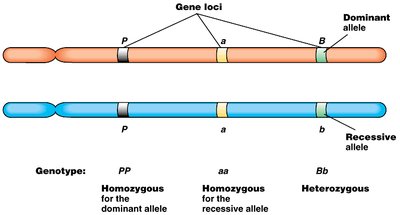
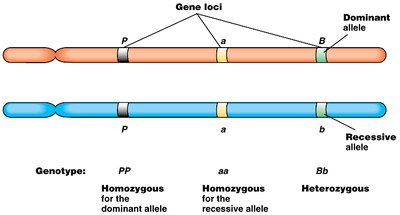
Alternative Versions of Genes (Alleles): Genes can exist in different forms called alleles, which account for variations in inherited traits.
Inheritance of Alleles: Each organism inherits two alleles for each gene, one from each parent.
Dominance: If two alleles differ, the dominant allele determines the phenotype, while the recessive allele is masked.
Law of Segregation: The two alleles for a gene segregate during gamete formation, so each gamete carries only one allele for each gene.
Genotype vs. Phenotype
Genotype: The genetic makeup of an organism (e.g., AA, Aa, or aa).
Phenotype: The observable traits resulting from the genotype (e.g., purple or white flowers).
Homozygous and Heterozygous
Homozygous: Both alleles for a gene are identical (e.g., AA or aa).
Heterozygous: The two alleles for a gene are different (e.g., Aa).
Punnett Squares and Probability
Punnett squares are used to predict the possible genotypes and phenotypes of offspring from a genetic cross. Probability rules (such as the multiplication rule) are applied to determine the likelihood of specific outcomes.
Extensions of Mendelian Genetics
Incomplete Dominance
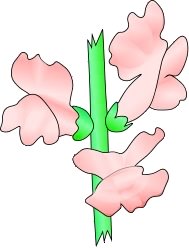
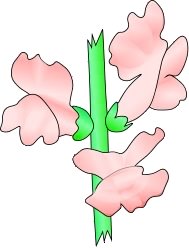
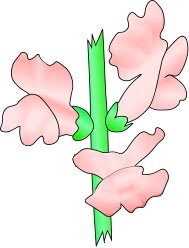
In incomplete dominance, the heterozygote displays a phenotype intermediate between the two homozygotes. This is not blending inheritance, as the original traits can reappear in later generations.
Codominance and Multiple Alleles
In codominance, both alleles in a heterozygote are fully expressed, as seen in human ABO blood groups. Multiple alleles mean that more than two forms of a gene exist in the population.
Polygenic Inheritance
Polygenic inheritance occurs when two or more genes affect a single phenotype, often resulting in continuous variation (e.g., skin color, height).
Epistasis
Epistasis is when the expression of one gene is affected by another gene. For example, in mice, one gene determines pigment color, while another gene controls pigment deposition. If the deposition gene is homozygous recessive, the mouse is albino regardless of the pigment gene.
Environmental Effects on Phenotype
Environmental factors such as nutrition, temperature, and pH can influence the expression of genetic traits. For example, the coat color of Himalayan rabbits depends on temperature, and hydrangea flower color depends on soil pH.
Human Genetic Disorders
Recessive Disorders
Sickle Cell Anemia: Caused by a mutation in the hemoglobin gene, leading to abnormal red blood cell shape and resistance to malaria in heterozygotes.
Cystic Fibrosis: Caused by a recessive allele affecting chloride channels, leading to mucus buildup and respiratory issues.
Dominant Disorders
Achondroplasia (Dwarfism): A dominant allele causes dwarfism, but the allele is rare in the population.
Huntington’s Disease: A dominant allele on chromosome 4 causes a fatal neurodegenerative disorder, typically manifesting in mid-adulthood.
Genetic Counseling and Probability
Understanding inheritance patterns allows for genetic counseling and risk assessment for inherited disorders. Probability calculations help predict the likelihood of offspring inheriting specific traits or disorders.
Summary Table: Types of Inheritance
Type of Inheritance | Description | Example |
|---|---|---|
Complete Dominance | Dominant allele masks recessive allele in heterozygote | Purple vs. white pea flowers |
Incomplete Dominance | Heterozygote has intermediate phenotype | Pink snapdragon flowers |
Codominance | Both alleles fully expressed in heterozygote | ABO blood groups |
Polygenic Inheritance | Multiple genes contribute additively to phenotype | Human skin color |
Epistasis | One gene affects expression of another gene | Coat color in mice |
