 Back
Genetics, Gene Therapy, and CRISPR: Modern Approaches and Ethical Issues
Study Guide - Smart Notes
 Tailored notes based on your materials, expanded with key definitions, examples, and context.
Genetics and Genetic Disorders
Achondroplasia and Pseudoachondroplasia
Genetic disorders such as achondroplasia and pseudoachondroplasia are caused by mutations in specific genes. Achondroplasia is associated with mutations in the FGFR3 gene, while pseudoachondroplasia involves mutations in the COMP gene. These disorders demonstrate the importance of gene interactions and inheritance patterns.
FGFR3m/+ (Mom) and COMPm/+ (Dad): If both parents carry mutations, their offspring may inherit both mutations.
Viable Genotypes: Heterozygous combinations (FGFR3m/+; COMPm/+) are viable, but homozygous mutations (FGFR3m/FGFR3m or COMPm/COMPm) are lethal.
Complementation: Mutations in different genes can complement each other, resulting in a viable phenotype.
Gene Interactions: Epistasis, Pleiotropy, and Complementarity
Gene interactions can complicate the inheritance and expression of traits. Epistasis occurs when one gene masks the effect of another, while pleiotropy refers to a single gene affecting multiple traits. Complementarity describes how mutations in different genes can compensate for each other.
Epistasis: One gene's effect is dependent on the presence of another gene.
Pleiotropy: A single gene influences multiple phenotypic traits.
Complementarity: Mutations in different genes can restore a normal phenotype.
Gene Therapy and CRISPR-Cas9
Gene Therapy: Principles and Challenges
Gene therapy aims to treat genetic disorders by introducing, removing, or altering genetic material within a patient's cells. The advent of CRISPR-Cas9 technology has revolutionized gene editing, allowing precise modifications.
CRISPR-Cas9: Functions as guided DNA scissors to create targeted deletions or insertions.
Applications: Used to edit genes associated with disease susceptibility, such as the CCR5 gene for HIV resistance.
Issues: Off-target effects and unintended genetic interactions (epistasis, pleiotropy, complementarity) can complicate outcomes.
Case Study: CCR5 Gene and HIV Resistance
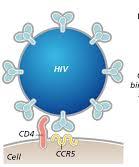
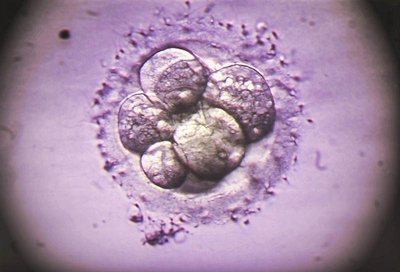
The CCR5 gene encodes a cell surface receptor that serves as an entry point for HIV. Individuals with a mutation known as CCR5-Δ32 are resistant to HIV infection. Gene editing has been used to create embryos with this mutation, aiming to confer HIV immunity.
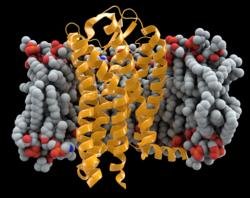
CCR5 Protein: Cell receptor facilitating HIV entry into immune cells.
CCR5-Δ32 Mutation: Prevents HIV from entering cells, conferring resistance.
CRISPR Editing: Used to create embryos with CCR5-Δ32 mutation.
Human Genome Editing: Ethical and Social Issues
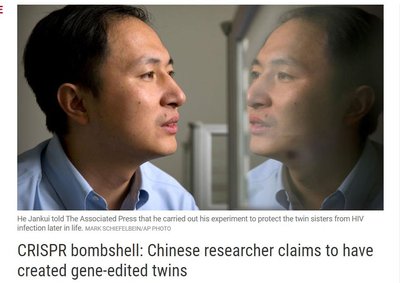
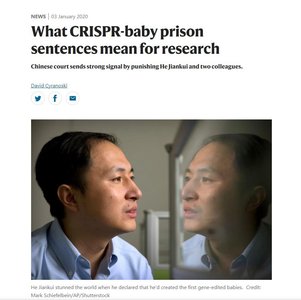
The first reported case of gene-edited human babies (Lula and Nana) sparked global controversy. One twin was homozygous for the HIV-resistant gene insertion, while the other was heterozygous. The experiment raised concerns about off-target effects, pleiotropy, and the broader implications of genome editing.
Public Outcry: Led to a moratorium on CRISPR editing in human embryos.
Legal Consequences: The scientist involved faced criminal charges and loss of academic position.
Ethical Concerns: Potential for unintended effects, designer babies, and pleiotropic consequences.
Genetic Interactions and Linkage
Epistasis, Complementarity, and Linkage
Genetic interactions can influence phenotypes in complex ways. Linkage refers to genes located close together on the same chromosome, which tend to be inherited together. This can confound functional analysis, as physically linked but functionally unrelated genes may segregate together.
Epistasis: Interaction between genes affecting phenotype.
Complementarity: Restoration of normal phenotype by mutations in different genes.
Linkage: Physical proximity of genes reduces chances of crossing over during meiosis.
Example Table: Genetic Interactions
Type | Description | Example |
|---|---|---|
Epistasis | One gene masks effect of another | Coat color in mice |
Pleiotropy | One gene affects multiple traits | CCR5 gene: HIV resistance and cognitive function |
Complementarity | Mutations in different genes restore phenotype | FGFR3 and COMP mutations |
Linkage | Genes inherited together due to proximity | Hair color and temperament (example) |
Summary and Academic Context
This study guide covers advanced concepts in genetics, gene therapy, and genome editing, focusing on gene interactions, ethical issues, and the CCR5 gene's role in HIV resistance. Understanding these principles is essential for modern biology, as they illustrate the complexity of genetic inheritance and the potential—and risks—of biotechnological interventions.
Additional info: The notes expand on the original slides by providing definitions, examples, and context for gene interactions, CRISPR technology, and ethical considerations in genome editing.
