 Back
Genetics: Principles, Variation, and Applications
Study Guide - Smart Notes
 Tailored notes based on your materials, expanded with key definitions, examples, and context.
Genetics: Principles, Variation, and Applications
Introduction to Genetics
Genetics is the study of heredity and variation in living organisms. It explores how traits are passed from one generation to the next and how genetic information influences biological functions and diversity. Understanding genetics is crucial for fields such as medicine, biotechnology, and evolutionary biology.
Importance: Genetics impacts human health, including cancer, vision, tissue regeneration, neurobiology, fertility, and epidemiology.
Application: Knowledge and manipulation of DNA enable technologies like gene therapy and genetic testing.
DNA: The molecule of life, storing genetic information in its sequence of nucleotides.

Gene Therapy: Curing Blindness
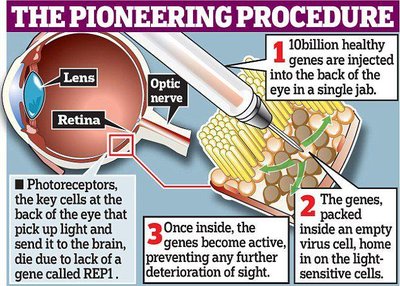
Gene therapy is a medical technique that involves introducing functional genes into cells to treat genetic disorders. One application is the restoration of vision by correcting defective genes in retinal cells.
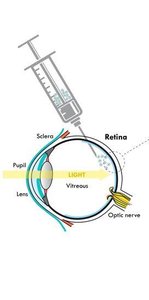
REP1 Gene: A functional REP1 gene is packaged inside a virus and injected into the retina.
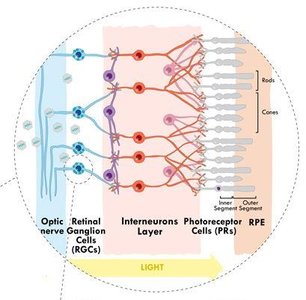
Mechanism: The virus delivers the gene to retinal cells, which then produce the necessary protein to restore function.
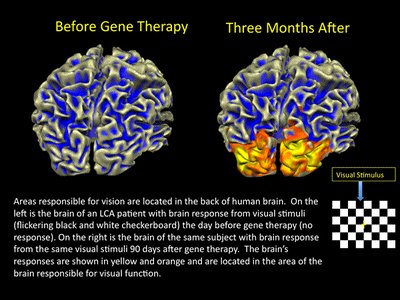
Outcome: Gene therapy can prevent further deterioration of sight and restore visual function.
Key Concepts in Genetics
Genetics involves understanding how information is stored in DNA and how this information specifies traits. Genes and alleles are fundamental units of heredity.
Gene: A segment of DNA that codes for a specific protein or trait.
Allele: Different versions of a gene that can result in variations in a trait.
Phenotype: The observable characteristics resulting from the interaction of alleles.
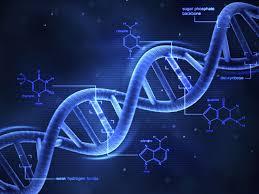
Genes, Traits, and Alleles: Variation and Inheritance
Variation in traits arises from different alleles of genes. For example, in dogs, genes determine head shape, eye color, fur color, tail length, and temperament. Each gene can have multiple alleles, leading to diverse phenotypes.
Example: Head shape gene (Hs) has alleles for pointy, blunt, or round heads.
Requirement: All essential genes must be present for proper development.

Genetic Homology and Variation
Genetic homology refers to the similarity in DNA sequences between individuals or species, often due to shared ancestry. Despite high similarity, genetic variation exists, contributing to diversity.
Homology: Humans share 99.9% of their DNA with each other and 99.1% with chimpanzees.
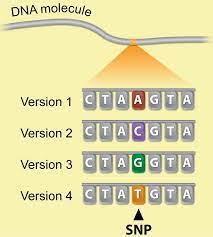
Variation: Single nucleotide differences (mutations or SNPs) create diversity.

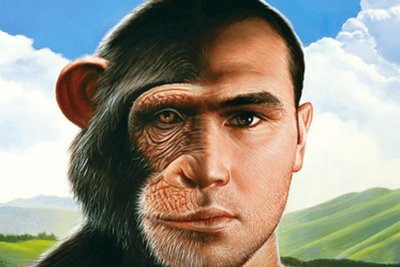
Transmission of Biological Information
Two key aspects of genetic transmission are similarity (homology) and variation (diversity). Similarity is observed in physical and behavioral traits across generations and between species, while variation leads to unique individual traits.
Similarity: Physical and behavioral traits are inherited.
Variation: Differences arise from mutations and genetic recombination.





Genetic Homology: HOX Genes and Conserved Sequences
HOX genes are highly conserved across species, indicating common ancestry. Sequence homology is used to compare DNA and protein sequences between organisms.
Conserved Genes: Genes like histone H1 are similar across species.
HOX Genes: Control body plan and development in animals.
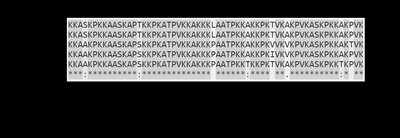
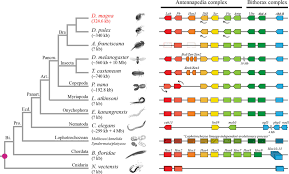
Genetic Variation: SNPs and Mutations
Genetic variation within species is primarily due to single nucleotide differences, known as Single Nucleotide Polymorphisms (SNPs). SNPs are common and can be associated with trait variation.
SNP: A single nucleotide change occurring in more than 1% of the population.
Mutation: A single nucleotide change occurring in less than 1% of the population.
Source: Errors in DNA replication or spontaneous mutations.

Genome-Wide Association Studies (GWAS)
GWAS examine the entire genome to identify SNPs that correlate with variant phenotypes. This approach helps link genetic differences to observable traits, such as fur color in dogs.
Method: Compare SNPs across individuals with different traits.
Application: Used to study complex traits and diseases.
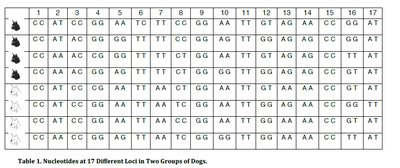
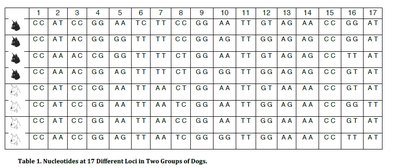
Table: Nucleotides at 17 Different Loci in Two Groups of Dogs
This table compares the DNA sequences at 17 loci between two groups of dogs, illustrating how genetic variation correlates with traits such as fur color.
Locus | 1 | 2 | 3 | 4 | 5 | 6 | 7 | 8 | 9 | 10 | 11 | 12 | 13 | 14 | 15 | 16 | 17 |
|---|---|---|---|---|---|---|---|---|---|---|---|---|---|---|---|---|---|
Black fur | CC | AT | GC | AG | TC | TT | GG | AA | GG | GG | CC | GG | AA | AG | GT | AT | AT |
White fur | CC | AT | GC | AG | TC | TT | GG | AA | GG | GG | CC | GG | AA | AG | GT | AT | AT |
Additional info: | Table shows nucleotide variation at specific loci; these differences can be associated with phenotypic traits. | ||||||||||||||||
Summary
Genetics is fundamental to understanding biological inheritance, variation, and the molecular basis of traits. Key concepts include genes, alleles, homology, variation, SNPs, and the application of genetic knowledge in medicine and research. Genome-wide studies and gene therapy illustrate the practical impact of genetics on health and diversity.
