 Back
Genomes and Their Evolution: Structure, Function, and Analysis
Study Guide - Smart Notes
 Tailored notes based on your materials, expanded with key definitions, examples, and context.
Genomes and Their Evolution
Introduction to Genomics and Bioinformatics
Genomics is the study of whole sets of genes and their interactions within and between species. Bioinformatics applies computational methods to the storage, analysis, and interpretation of biological data, enabling large-scale studies of genomes and their functions.
Genomics: Focuses on sequencing, analyzing, and comparing genomes of different organisms to understand evolutionary relationships and biological processes.
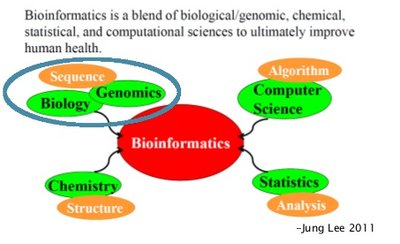
Bioinformatics: Integrates biology, computer science, statistics, and chemistry to analyze genomic data and improve human health.
The Human Genome Project and Sequencing Techniques
The Human Genome Project (HGP), launched in 1990 and completed in 2003, was a landmark effort to sequence the entire human genome. It fostered the development of faster, less expensive sequencing technologies.
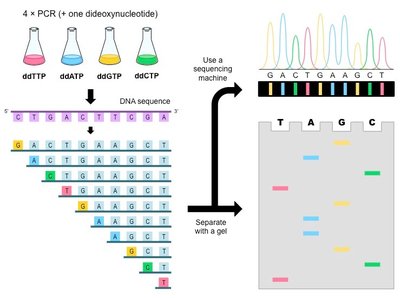
Dideoxy Chain Termination Method: An early sequencing technique using modified nucleotides to terminate DNA synthesis at specific bases, allowing sequence determination.
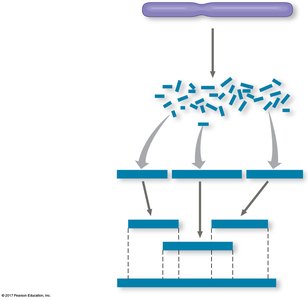
Whole-Genome Shotgun Approach: Involves randomly cutting DNA into fragments, sequencing them, and assembling the sequences using computational tools.
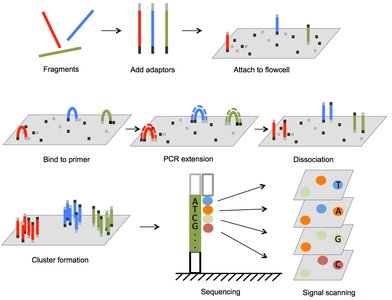
Next-Generation Sequencing: Modern methods that allow rapid, high-throughput sequencing without the need for cloning DNA fragments.
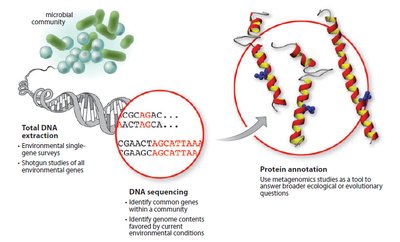
Metagenomics: Sequencing DNA from environmental samples to study the genomes of entire microbial communities.
Bioinformatics Resources and Genome Analysis
Bioinformatics provides centralized resources for analyzing genome sequences, including databases and analytical software.
GenBank: A comprehensive database of DNA sequences maintained by the National Center for Biotechnology Information (NCBI).
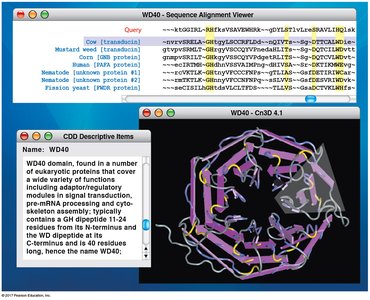
BLAST: A software tool for comparing nucleotide or protein sequences to sequence databases, identifying similarities and potential functions.
Other major resources include the European Molecular Biology Laboratory, DNA Data Bank of Japan, and BGI in China.
Gene Annotation and Functional Genomics
Gene annotation is the process of identifying protein-coding genes and predicting their functions within a genome. This is largely automated and involves comparing unknown sequences to known genes in other species.
Gene Annotation: Identifies coding regions, regulatory elements, and predicts gene function.
Functional Studies: Techniques such as RNA-seq and CRISPR-Cas9 are used to study gene expression and function by knocking out genes and observing phenotypic changes.
Systems Biology and Proteomics
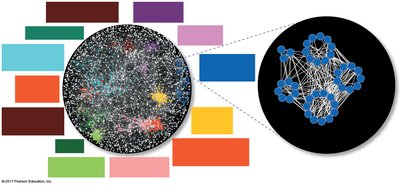
Systems biology integrates genomics, proteomics, and other data to understand the complex interactions within biological systems.
Proteome: The entire set of proteins expressed by a cell or group of cells.
Proteomics: The large-scale study of proteins, including their structures and functions.
Systems Biology: Uses computational models to map gene and protein interactions, providing insights into cellular processes and disease mechanisms.
Genome Size, Gene Number, and Gene Density
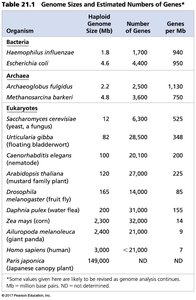
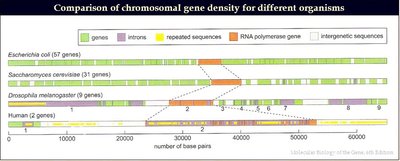
Genomes vary widely in size, number of genes, and gene density across different organisms. There is no direct correlation between genome size and organism complexity.
Bacteria and Archaea: Typically have small genomes (1–6 Mb) and fewer genes (1,500–7,500).
Eukaryotes: Have larger genomes (often >100 Mb) and more genes, but gene density is lower due to noncoding DNA.
Alternative Splicing: Allows eukaryotes to produce multiple proteins from a single gene, increasing proteomic diversity.
Organism | Genome Size (Mb) | Number of Genes |
|---|---|---|
Escherichia coli | 4.6 | 4,400 |
Saccharomyces cerevisiae | 12 | 6,300 |
Arabidopsis thaliana | 125 | 27,000 |
Homo sapiens | 3,200 | 21,000 |
Gene Density and Noncoding DNA
Gene density refers to the number of genes per unit length of DNA. Humans and other mammals have low gene density due to the presence of introns and large amounts of noncoding DNA.
Introns: Noncoding sequences within genes, removed during RNA processing.
Noncoding DNA: Includes regulatory sequences, repetitive DNA, and sequences with unknown function.
Types and Functions of Noncoding DNA
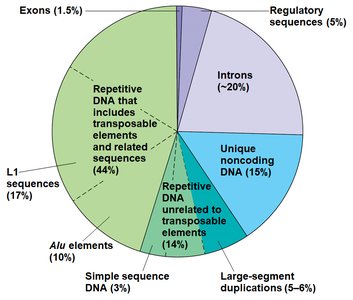
Most of the human genome consists of noncoding DNA, including regulatory sequences, introns, repetitive DNA, and pseudogenes.
Pseudogenes: Former genes that have lost their function due to mutations.
Repetitive DNA: Includes transposable elements, simple sequence repeats, and segmental duplications.
Regulatory Sequences: Control gene expression (e.g., promoters, enhancers).
Non-coding DNA | Description |
|---|---|
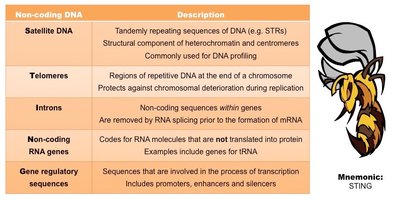
Satellite DNA | Tandemly repeating sequences (e.g., STRs), structural component of heterochromatin and centromeres |
Telomeres | Repetitive DNA at chromosome ends, protects against deterioration |
Introns | Non-coding sequences within genes, removed during RNA splicing |
Non-coding RNA genes | Code for RNA molecules not translated into protein (e.g., rRNA, tRNA) |
Gene regulatory sequences | Involved in transcription regulation (promoters, enhancers, silencers) |
Transposable Elements and Related Sequences
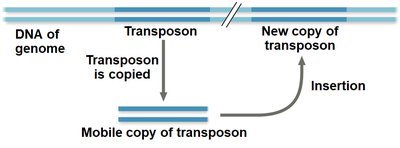
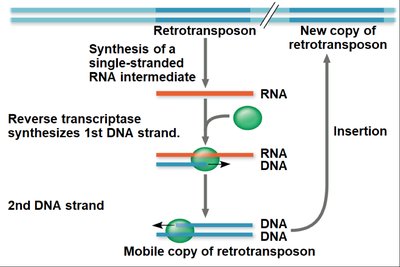
Transposable elements are DNA sequences that can move within the genome, contributing to genetic diversity and genome evolution.
Transposons: Move by a DNA intermediate, require transposase enzyme.
Retrotransposons: Move by an RNA intermediate, use reverse transcriptase to copy themselves back into DNA.
Alu Elements: A family of short, repetitive sequences abundant in primate genomes, some of which may regulate gene expression.
LINE-1 (L1) Elements: Long interspersed nuclear elements, may influence gene expression and neuronal diversity.
Simple Sequence DNA and DNA Profiling
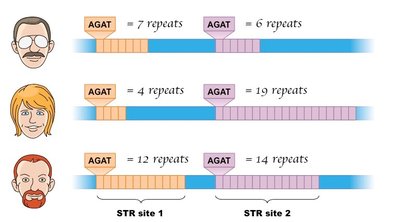
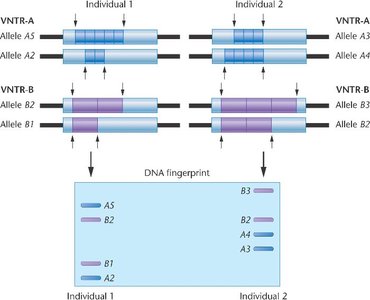
Simple sequence DNA consists of short, tandemly repeated sequences, such as short tandem repeats (STRs), which are highly variable among individuals and useful for DNA profiling.
STRs: Repeating units of 2–5 nucleotides, used in forensic analysis and paternity testing.
DNA Profiling: Compares STR patterns between individuals to establish identity or relationships.
Multigene Families
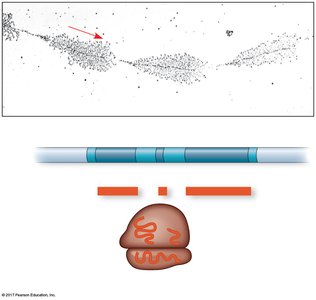
Multigene families are groups of related genes that have similar or identical sequences. They can be clustered together or dispersed throughout the genome.
Identical Multigene Families: Often found in tandem repeats, such as rRNA gene clusters.
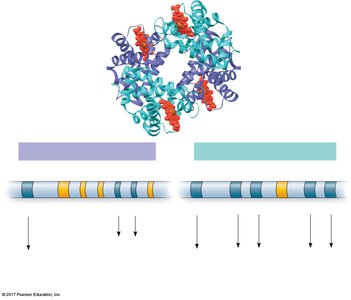
Nonidentical Multigene Families: Encode related proteins, such as the α-globin and β-globin gene families, which are expressed at different developmental stages.
Summary Table: Human Genome Composition
Component | Approximate Percentage |
|---|---|
Protein-coding exons | 1.5% |
Regulatory sequences | 5% |
Introns | 20% |
Unique noncoding DNA | 15% |
Repetitive DNA (transposable elements and related) | 44% |
Simple sequence DNA | 3% |
Large-segment duplications | 5–6% |
Additional info: Advances in genomics and bioinformatics have revolutionized our understanding of genome structure, function, and evolution, with broad applications in medicine, evolutionary biology, and biotechnology.
