 Back
Hormonal Regulation and Endocrine Disruptors: The HPA Axis and Steroid Hormones
Study Guide - Smart Notes
 Tailored notes based on your materials, expanded with key definitions, examples, and context.
Hormonal Regulation and the HPA Axis
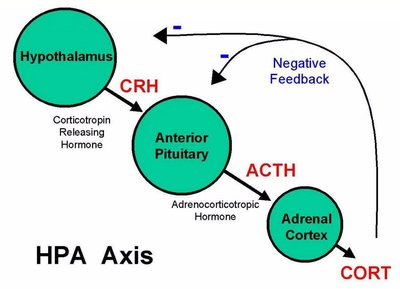
The Hypothalamic-Pituitary-Adrenal (HPA) Axis
The HPA axis is a central regulatory system in vertebrates, mediating responses to stress, growth, metabolism, and reproduction. It consists of the hypothalamus, pituitary gland, and adrenal glands, which interact through hormonal signaling and feedback loops.
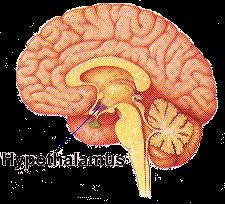
Hypothalamus: Located in the forebrain, it links the nervous system to the endocrine system via the pituitary gland and coordinates homeostatic functions such as body temperature, thirst, hunger, reproductive cycles, and sleep.
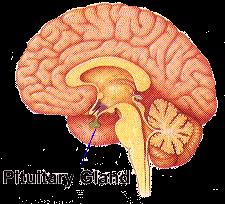
Pituitary Gland: A pea-sized gland at the base of the brain, often called the "master gland" because it controls the function of most other endocrine glands.
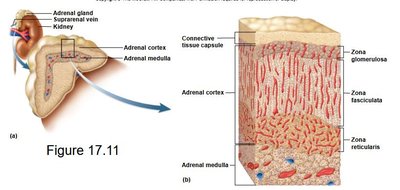
Adrenal Glands: Situated above the kidneys, these glands produce corticosteroids (stress hormones), androgens, epinephrine, and norepinephrine.
Feedback Loops: Most hormonal feedback loops run through the HPA axis, ensuring regulation and balance of physiological processes.
Physiological Effects of Hormones
Hormones produced by the HPA axis and other endocrine glands regulate a wide range of physiological functions:
Metabolic and Growth Hormones: Control energy metabolism and growth.
Water and Electrolyte Balance: Maintain homeostasis of fluids and ions.
Reproductive Hormones: Regulate reproductive cycles, organ development, and mating behavior.
Types of Steroid Hormones
Classification and Functions
Steroid hormones are synthesized from cholesterol and are fat-soluble, allowing them to pass directly into cells and bind to intracellular receptors. Major types include:
Glucocorticoids: (e.g., cortisol in humans, corticosterone in birds and many mammals) mediate slower responses to stress and regulate metabolism, immune function, and other processes.
Androgens: (e.g., testosterone) are involved in male reproductive development and behavior.
Estrogens: (e.g., estradiol, estrone) regulate female reproductive organs, somatic growth, and mammary tissue development.
Progestogens: (e.g., progesterone) are crucial for maintaining pregnancy and the uterine lining.
Glucocorticoids and Stress Response
Glucocorticoids, often referred to as CORT, are released in response to stress and act on diverse systems throughout the body. Their effects include:
Metabolism: Mobilize energy stores.
Immune Function: Suppress immune responses.
Reproduction: Inhibit reproductive functions during stress.
Memory and Emotions: Influence cognitive and emotional processes.
Development and Activity: Affect growth and activity levels.
Reproductive Hormones
Estrogens and Progesterones
Reproductive hormones are essential for the formation and function of reproductive organs and behaviors. Estrogens and progesterones play distinct roles:
Estrogens: Promote somatic and mammary growth, development of reproductive organs, and maintain the corpus luteum.
Progesterones: Support mammary tissue growth after fertilization and maintain the uterine lining for pregnancy.

Mechanism of Action
Steroid hormones are produced from cholesterol, synthesized from testosterone, and secreted from ovaries and testes in response to brain hormone signals. They are fat-soluble and bind to receptors in the cytoplasm or nucleus, directly influencing gene expression.
Target Organs and Effects
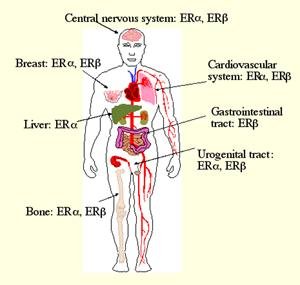
Natural estrogens act on multiple target organs, including the breast, bone, liver, reproductive organs, and cardiovascular system. Their effects are mediated by specific estrogen receptors (ERα, ERβ).
Endocrine Disruptors
Definition and Sources
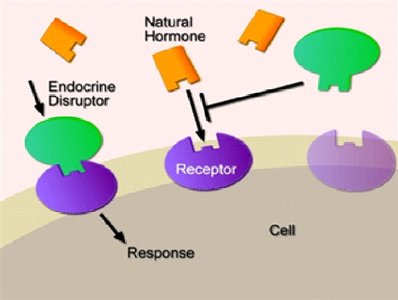
Endocrine disruptors are chemicals that interfere with hormonal homeostasis or receptor interactions. They can be found in pesticides (e.g., DDT), plasticizers (e.g., BPA, phthalates), industrial chemicals (e.g., PCBs, dioxins), and pharmaceuticals (e.g., EE2, DES).
Mechanism: These chemicals mimic or block natural hormones, leading to altered physiological responses.
Persistence: Some disruptors are more potent and longer-lasting than natural hormones, and can accumulate in food chains.
Types of Hormone Mimics and Their Targets
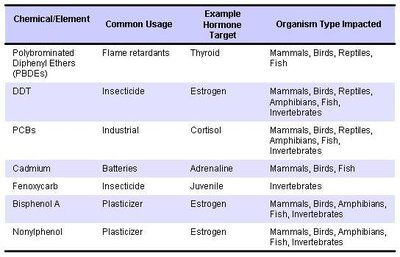
Various chemicals target different hormones and impact a range of organism types:
Chemical/Element | Common Usage | Example Hormone Target | Organism Type Impacted |
|---|---|---|---|
PolyBrominated Diphenyl Ethers (PBDEs) | Flame retardants | Thyroid | Mammals, Birds, Reptiles, Fish |
DDT | Insecticide | Estrogen | Mammals, Birds, Reptiles, Amphibians, Fish, Invertebrates |
PCBs | Industrial | Cortisol | Mammals, Birds, Reptiles, Amphibians, Fish, Invertebrates |
Cadmium | Batteries | Adrenaline | Mammals, Birds, Fish |
Fenoxycarb | Insecticide | Juvenile | Invertebrates |
Bisphenol A | Plasticizer | Estrogen | Mammals, Birds, Amphibians, Fish, Invertebrates |
Nonylphenol | Plasticizer | Estrogen | Mammals, Birds, Amphibians, Fish, Invertebrates |
Wildlife Effects of Endocrine Disruptors
Exposure to endocrine disruptors can cause severe developmental and reproductive abnormalities in wildlife:
Birds: Deformed embryos and suppressed thyroid function.
Fish: Stunted reproduction and development.
Snails: Abnormal reproduction, such as imposex (females developing male sexual organs).
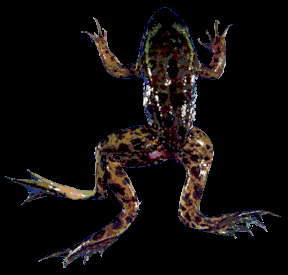
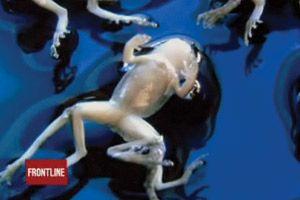
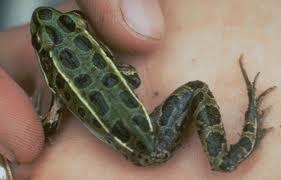
Frogs: Increased vulnerability to hormone disruptors, leading to deformities.
Population and Human Health Effects
Endocrine disruptors can have persistent effects on individuals and populations, including:
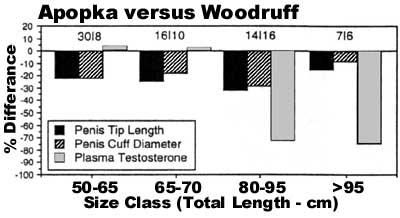
Feminization of males and decreased reproduction rates, leading to disruptions in food webs.
Potential human health impacts: Cancer, diabetes, obesity, and fertility issues.
Summary Table: Endocrine Disruptors and Their Effects
Disruptor | Effect | Organism |
|---|---|---|
DDT | Estrogen mimic, reproductive abnormalities | Birds, fish, reptiles |
BPA | Estrogen mimic, strong at ERR-γ receptor | Mammals, fish |
EE2 | Potent estrogen, lowers testosterone and estradiol | Fish |
PCBs | Persistent, accumulates in food chain | Multiple taxa |
Additional info: Endocrine disruptors are not regulated by feedback mechanisms, so the body may reduce its own hormone production in response to their presence.
----------------------------------------
