 Back
BackParasite lec 10
Study Guide - Smart Notes
 Tailored notes based on your materials, expanded with key definitions, examples, and context.
Parasites and Evolution
Host Defenses and Arms Races
Parasites exert strong selective pressures on their hosts, leading to the evolution of sophisticated host defenses. In turn, parasites evolve countermeasures to overcome these defenses, resulting in a dynamic evolutionary process known as an arms race. This process occurs over evolutionary time and is a major driver of biological diversity and adaptation.
Host Defenses: The Immune System in Animals
Overview of Immune Defenses
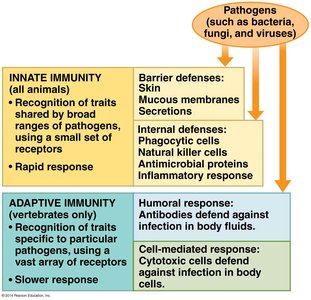
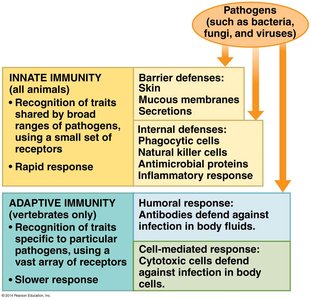
The immune system protects animals from pathogens by recognizing and eliminating foreign invaders. It is divided into two main branches: innate immunity and adaptive immunity.
Innate immunity: Non-specific, present in all animals, provides immediate defense.
Adaptive immunity: Specific, found only in vertebrates, provides targeted and long-lasting defense.
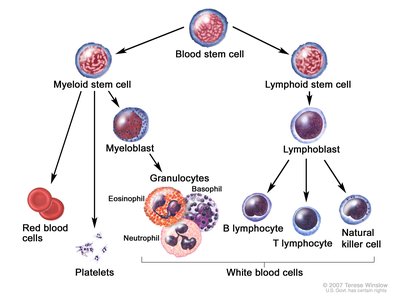
Cells of the Immune System
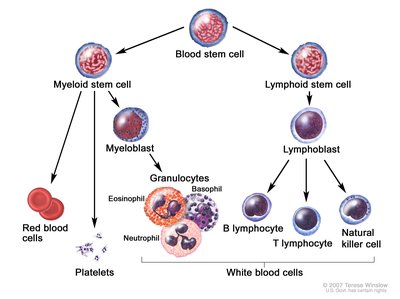
Blood stem cells differentiate into various immune cells, which play distinct roles in defense mechanisms.
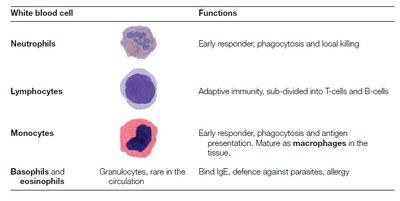
Types and Functions of White Blood Cells
White blood cell | Functions |
|---|---|
Neutrophils | Early responder, phagocytosis, local killing |
Lymphocytes | Adaptive immunity, subdivided into T-cells and B-cells |
Monocytes | Phagocytosis, antigen presentation, mature as macrophages |
Basophils and eosinophils | Bind IgE, defense against parasites, allergy |
Innate Immunity
Mechanisms of Innate Immunity
Innate immunity provides the first line of defense against pathogens through physical, chemical, and cellular mechanisms.
Barrier defenses: Skin, mucous membranes, secretions
Internal defenses: Phagocytic cells (neutrophils, macrophages), natural killer cells, antimicrobial proteins, inflammatory response
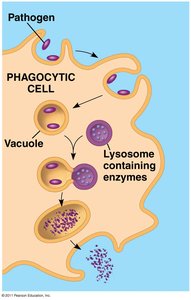
Phagocytosis
Phagocytic cells engulf and digest pathogens using lysosomal enzymes. This process is crucial for the rapid elimination of invaders.
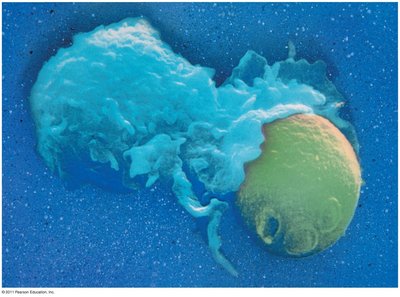
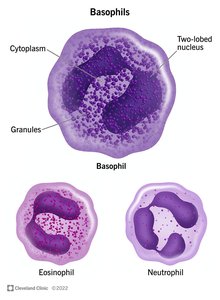
Granulocytes: Basophils, Eosinophils, Neutrophils
Granulocytes are a group of white blood cells involved in innate immunity. Basophils release histamine and heparin, eosinophils target larger parasites, and neutrophils are key phagocytes.
Adaptive Immunity
Principles of Adaptive Immunity
Adaptive immunity is characterized by specificity, diversity, and memory. It involves lymphocytes (B-cells and T-cells) that recognize specific antigens and mount tailored responses.
Specificity: Each lymphocyte recognizes a unique antigen.
Diversity: The immune system can recognize millions of different antigens.
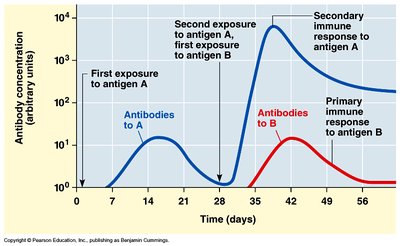
Memory: Secondary responses are faster and stronger due to memory cells.
B- and T-Lymphocytes
B-cells mature in the bone marrow and are responsible for antibody production (humoral immunity). T-cells mature in the thymus and mediate cellular immunity.
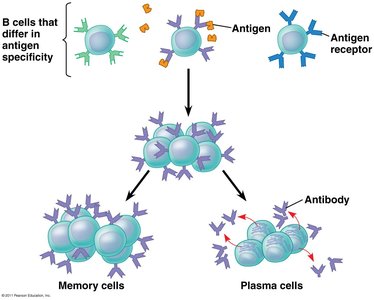
B-cells: Produce antibodies, differentiate into plasma cells and memory cells.
T-cells: Include cytotoxic T-cells (kill infected cells) and helper T-cells (coordinate immune response).
Major Histocompatibility Complex (MHC)
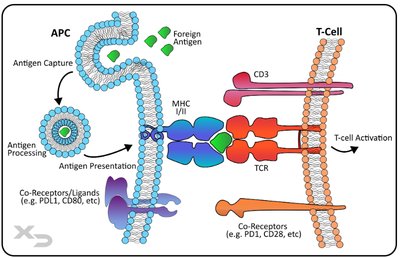
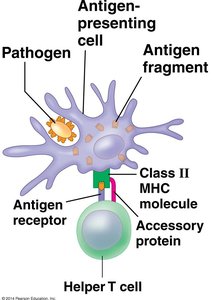
The MHC is a set of genes coding for cell surface proteins essential for antigen presentation and immune recognition. MHC diversity is crucial for effective immune responses.
Types of Adaptive Immune Responses
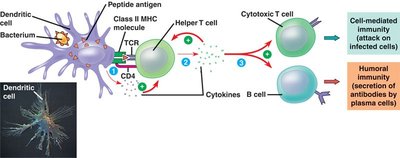
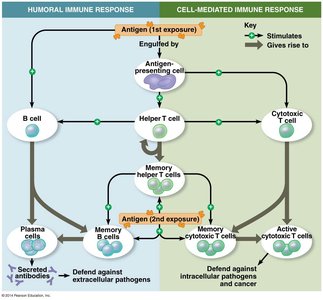
Humoral response: Mediated by B-cells and antibodies, targets extracellular pathogens and toxins.
Cell-mediated response: Mediated by cytotoxic T-cells, targets infected or cancerous cells.
Humoral Response: Activation and Function
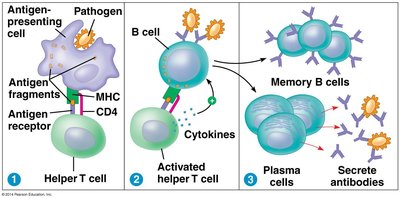
Antigen-presenting cells (APCs) display antigen fragments on MHC molecules, activating helper T-cells, which in turn activate B-cells. Activated B-cells proliferate and differentiate into plasma cells (antibody producers) and memory cells.
Antibody (Immunoglobulin) Actions
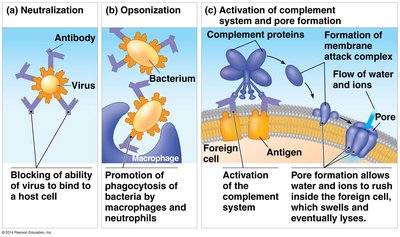
Antibodies neutralize pathogens, promote phagocytosis (opsonization), agglutinate antigens, precipitate soluble antigens, and activate the complement system.
Cell-Mediated Response
Cytotoxic T-cells recognize infected cells via MHC I molecules and induce apoptosis. Helper T-cells amplify both humoral and cellular responses.
Immunological Memory
Upon second exposure to the same antigen, memory cells enable a faster and stronger immune response, forming the basis for vaccination.
Summary Table: Innate vs. Adaptive Immunity
Feature | Innate Immunity | Adaptive Immunity |
|---|---|---|
Cells involved | Macrophages, dendritic cells, mast cells, neutrophils, eosinophils, natural killer cells | T lymphocytes, B lymphocytes |
Non-cellular elements | Complement proteins, other proteins | Immunoglobulins (Igs) from B cells |
Targeting | Broad, conserved, fewer | Narrow, specific, massive numbers |
Memory | None | From memory cells |
Response | Immediate | Hours to days |
Parasites vs. the Immune System
Leishmania
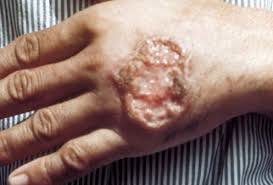
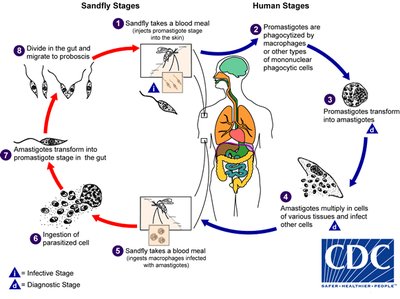
Leishmania is an intracellular parasite transmitted by sandflies. It causes various forms of leishmaniasis and evades the immune system by residing within host white blood cells, avoiding humoral responses and modulating cellular immunity.
Trypanosoma brucei
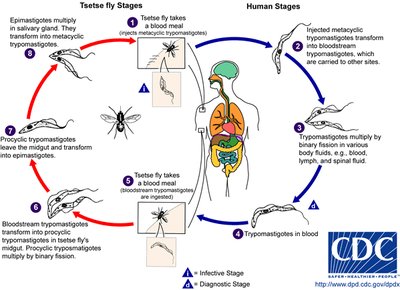
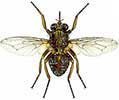
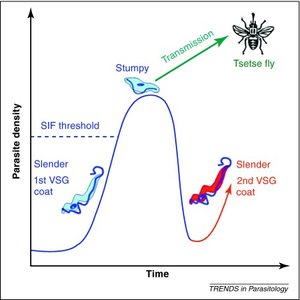
Trypanosoma brucei is a blood parasite transmitted by tsetse flies, causing African sleeping sickness. It evades the immune system through antigenic variation of its surface glycoproteins (VSGs) and by interfering with B-cell function.
Plasmodium (Malaria)
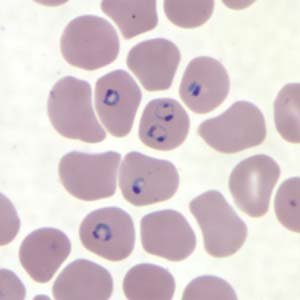
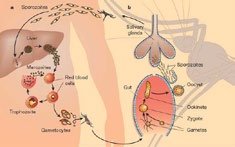
Plasmodium species are intracellular parasites that cause malaria. They evade immune detection by hiding within red blood cells and rotating surface antigens. The parasite's complex life cycle involves both mosquito and human hosts.
Immune Evasion Strategies of Parasites
Mechanisms of Immune Evasion
Sequestration in "safe" spaces (e.g., inside cells or cysts)
Living in the gut lumen
Movement to avoid immune response
Antigenic modification (variation or disguise)
Inhibition of immune factors (e.g., cleavage of antibodies, inactivation of complement)
Production of blocking antibodies
Immunosuppression (production of chemicals that slow immune response)
Evolutionary Arms Races
Red Queen Hypothesis
The Red Queen Hypothesis describes the constant evolutionary struggle between hosts and parasites, where both must continually adapt to maintain their relative fitness. This is exemplified by the ongoing adaptations and counter-adaptations seen in host-parasite interactions.
Experimental Evidence for Arms Races
Studies with bacteria and their phage parasites, as well as nematodes and Bacillus thuringiensis, demonstrate that coevolution accelerates evolutionary rates and increases genetic diversity, but may also reduce host reproductive rates due to the cost of resistance.
Social and Brood Parasitism
Brood Parasitism in Birds
Some birds, such as cuckoos and cowbirds, lay their eggs in the nests of other species, transferring the cost of raising their young to the host. Hosts evolve defenses such as egg recognition and nest placement, while parasites evolve mimicry and other tactics to overcome these defenses.
Mutualism in Brood Parasitism
In some cases, brood parasitism may shift toward mutualism, as seen in the Great Spotted Cuckoo and Carrion Crow, where the presence of a cuckoo chick can provide protection against predators.
Social Parasitism in Insects
Some ant species engage in social parasitism by taking over the nests of related species and forcing them to care for their young, often through chemical manipulation.
Additional info: This guide integrates and expands upon the provided lecture content, including definitions, examples, and mechanisms, to provide a comprehensive overview suitable for college-level biology students.
