 Back
BackHow Genes Are Controlled: Regulation, Cloning, and Cancer
Study Guide - Smart Notes
 Tailored notes based on your materials, expanded with key definitions, examples, and context.
Control of Gene Expression
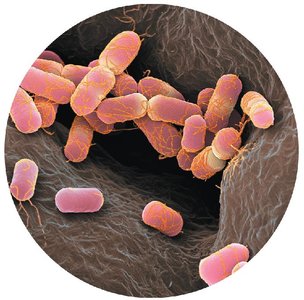
Gene Expression and Regulation in Prokaryotes
Gene expression is the process by which genetic information flows from DNA to proteins, ultimately determining phenotype. In prokaryotes, gene regulation allows cells to adapt to environmental changes by turning genes on or off as needed.
Gene regulation refers to the mechanisms that increase or decrease the production of specific gene products (protein or RNA).
In prokaryotes, genes for related enzymes are often organized into operons, which are controlled together.
Regulatory proteins bind to specific DNA sequences (control sequences) to modulate gene expression.
Gene Expression in Eukaryotes: Chromosome Structure and Chemical Modifications
In multicellular eukaryotes, gene expression is tightly regulated to ensure proper cell differentiation and function. All cells contain the same DNA, but selective gene expression leads to different cell types.
Chromatin structure: DNA is wrapped around histone proteins, forming nucleosomes. Tightly packed DNA (heterochromatin) is generally not expressed.
Epigenetic inheritance: Chemical modifications to DNA or histones (such as methylation) can affect gene expression without altering the DNA sequence.
X chromosome inactivation in female mammals is an example of gene expression regulation by DNA packing.
Transcriptional Control in Eukaryotes
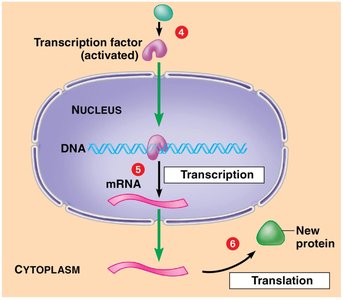
Transcription in eukaryotes is regulated by complex assemblies of proteins called transcription factors, which help RNA polymerase bind to promoters and initiate transcription.
Transcription factors are proteins that promote or inhibit the binding of RNA polymerase to specific genes.
Multiple regulatory proteins interact with DNA and each other to fine-tune gene expression.
RNA Processing and Alternative Splicing
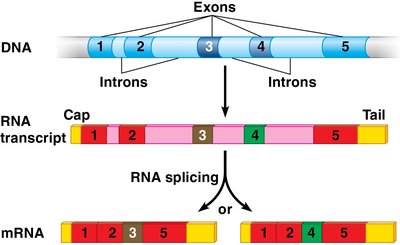
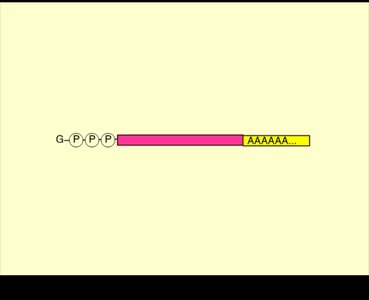
After transcription, eukaryotic RNA transcripts (pre-mRNA) undergo processing, including the addition of a cap and tail and the removal of introns. Alternative splicing allows a single gene to code for multiple proteins by rearranging exons in different combinations.
More than 90% of human protein-coding genes undergo alternative splicing.
Post-Transcriptional and Translational Regulation
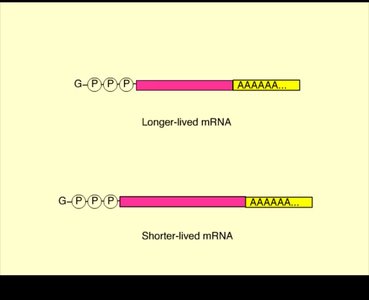
Gene expression can also be regulated after transcription. The stability and lifespan of mRNA molecules, as well as the efficiency of translation and protein activation, influence how much protein is produced.
The lifetime of mRNA affects protein synthesis; mRNAs with longer lifespans produce more protein.
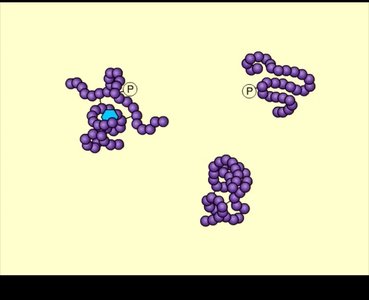
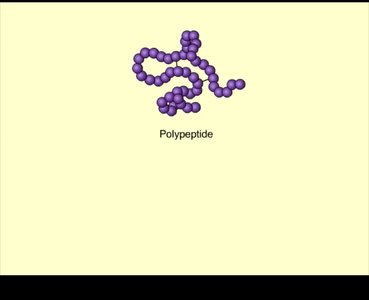
Proteins may require chemical modifications to become active, and cells eventually degrade proteins when they are no longer needed.
Noncoding RNAs and Gene Regulation
Although only a small fraction of the genome codes for proteins, much of the genome is transcribed into noncoding RNAs (ncRNAs) that play important regulatory roles.
Small RNAs, such as microRNAs (miRNAs) and small interfering RNAs (siRNAs), can bind to mRNA and block translation or trigger mRNA degradation.
Cell Signaling and Gene Expression
Cell-to-Cell Communication and Signal Transduction
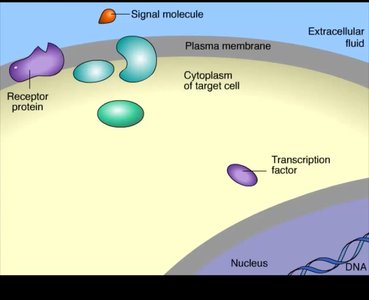
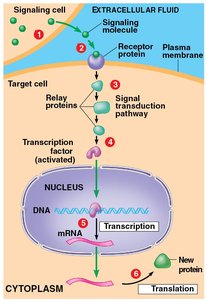
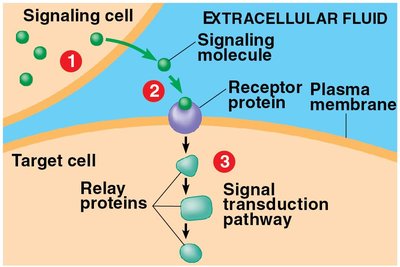
Cells communicate with each other using signaling molecules that bind to receptor proteins on target cells. This triggers a signal transduction pathway, a series of molecular events that lead to changes in gene expression.
Signaling molecules (ligands) bind to receptors, activating relay proteins inside the cell.
Activated transcription factors enter the nucleus and influence gene transcription.
Cloning of Plants and Animals
Plant Cloning and Totipotency
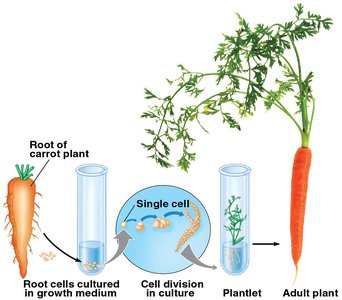
Cloning demonstrates that differentiated cells can retain the full genetic potential of the organism. In plants, single cells can regenerate into whole plants, showing that differentiation is reversible and based on gene expression control.
Totipotent cells can give rise to all cell types in an organism.
Regeneration in animals and plants shows that differentiated cells can sometimes revert to a less specialized state.
Animal Cloning by Nuclear Transplantation
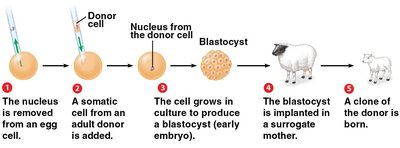
Animal cloning involves transferring the nucleus from a differentiated cell into an enucleated egg cell. The resulting embryo can develop into a clone of the DNA donor. In mammals, this process is called reproductive cloning.
Nuclear transplantation is used to clone animals, such as sheep (e.g., Dolly).
Therapeutic cloning aims to produce embryonic stem cells for medical use, not for creating whole organisms.
Stem Cells: Embryonic vs. Adult
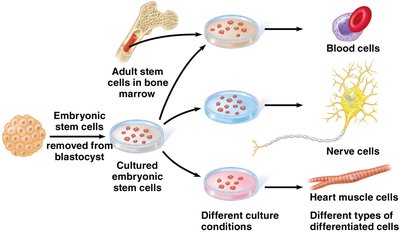
Stem cells are undifferentiated cells with the potential to develop into various cell types. Embryonic stem cells are pluripotent and can become any cell type, while adult stem cells are more limited in their differentiation potential.
Embryonic stem cells can give rise to all cell types in the body.
Adult stem cells are typically restricted to producing certain cell types (e.g., blood, nerve, or muscle cells).
The Genetic Basis of Cancer
Mutations and Cancer Development
Cancer results from mutations in genes that regulate the cell cycle. These mutations can lead to uncontrolled cell division and tumor formation.
Proto-oncogenes are normal genes that promote cell division. When mutated, they become oncogenes and drive excessive cell proliferation.
Tumor-suppressor genes normally inhibit cell division. Mutations that inactivate these genes can also lead to cancer.
Cancer typically develops after multiple genetic changes accumulate in a cell.
Signal Transduction Pathways and Cancer
Many cancer-related genes encode proteins involved in signal transduction pathways that regulate cell division. Faulty proteins in these pathways can disrupt normal cell cycle control.
Oncogenes may produce proteins that are always active, while mutations in tumor-suppressor genes remove inhibitory signals.
Reducing Cancer Risk
Most cancers are caused by mutations from environmental factors, such as carcinogens. Lifestyle choices, including avoiding carcinogens and maintaining a healthy diet, can reduce cancer risk.
Carcinogens are agents that cause mutations leading to cancer (e.g., tobacco smoke, UV radiation).
Cancer is the second-leading cause of death in industrialized nations.
