 Back
Human Genetics and the Human Genome: Structure, Function, and Evolution
Study Guide - Smart Notes
 Tailored notes based on your materials, expanded with key definitions, examples, and context.
Human Genetics and the Human Genome
Introduction to Human Genetics
Human genetics is the study of how traits are inherited from parents to offspring, focusing on genes and DNA. It explains inherited characteristics, genetic disorders, and provides insights into evolutionary history by comparing genomic changes across species.
Genome: The complete set of DNA instructions in a cell or organism.
Genetic Disorders: Conditions caused by mutations in DNA, such as cystic fibrosis, sickle cell anemia, and Down syndrome.
Applications: Medical diagnosis, personalized medicine, gene therapy, and disease prevention.
DNA Structure
DNA is composed of nucleotides (adenine, thymine, cytosine, guanine) and forms a double-helix structure. It contains instructions for building proteins, which determine physical and biological traits.
Nucleotides: A, T, C, G
Double-helix: Two intertwined strands
Protein Coding: DNA sequences that direct protein synthesis
Chromosomes
Humans possess 46 chromosomes (23 pairs), including 22 pairs of autosomes and one pair of sex chromosomes (XX or XY). Chromosomes carry genes, with one set inherited from each parent.
Autosomes: 22 pairs, homologous
Sex Chromosomes: XX (female), XY (male)
Gene Mapping: Sequencing and mapping chromosomes to understand genetic information
The Human Genome
The human genome consists of approximately 3 billion DNA base pairs and carries all instructions for life.
Genomics: Sequencing and studying whole sets of genes and their interactions
Bioinformatics: Computational methods for storing and analyzing biological data (e.g., BLAST, GenBank)
The Human Genome Project
The Human Genome Project (1990–2003) mapped the entire human genome, improving understanding of genes and diseases.
Whole Genome Shotgun Sequencing: Random DNA segments are cloned and sequenced, then assembled using computer programs.
Impact: Enhanced knowledge of genetic disorders, gene functions, and disease mechanisms
Genes and Gene Expression
Genes determine traits, with some controlled by single genes and others by multiple (polygenic).
Proteomics: Study of protein sets and their properties
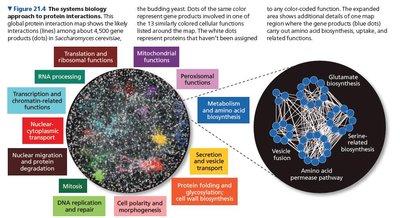
Systems Biology: Approach to understanding protein interactions and cellular functions
Genome Size, Gene Number, and Gene Density
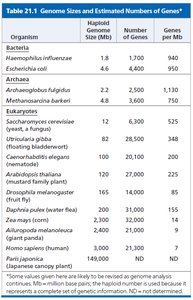
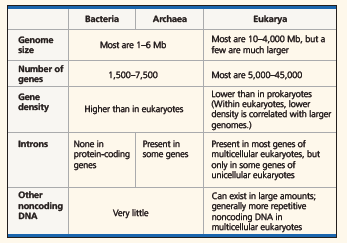
Genomes vary in size, number of genes, and gene density across species.
Gene Density Formula:
Eukaryotes: Larger genomes, fewer genes per base pair
Genome Size: Total DNA in one copy of a genome
Gene Number Variation
The number of genes varies between prokaryotes and eukaryotes.
Prokaryotes: 1,500–7,500 genes
Eukaryotes: 5,000–45,000 genes
Human Genome: 20,000–25,000 genes, 3 billion base pairs
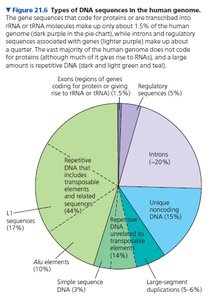
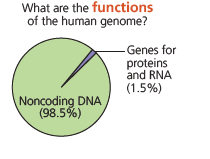
Non-coding DNA: 98.5% of human genome; coding DNA is only 1.5%
STRs: Short Tandem Repeats used in genetic profiling
Multi-Gene Families
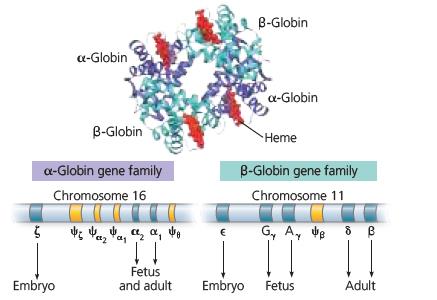
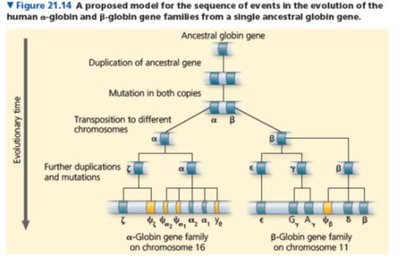
Multi-gene families are groups of related genes originating from a single ancestral gene through duplication and variation.
Non-identical gene families: α-globin and β-globin gene families (hemoglobin)
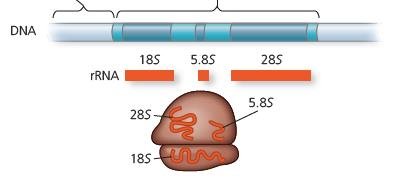
Identical gene families: Ribosomal RNA (rRNA) gene family
Genetic Disorders
Genetic disorders are caused by mutations in DNA and can be inherited or occur spontaneously.
Examples: Cystic fibrosis, sickle cell anemia, Down syndrome
Applications of Human Genome Research
Human genome research has numerous medical applications, including diagnosis, treatment, personalized medicine, and gene therapy.
Personal Genome Analysis: Tailoring medical care based on individual genetic profiles
Disease Detection: Improved methods for identifying and preventing diseases
Comparative Genomics and Evolution
Comparing genomic sequences provides clues to evolution and development.
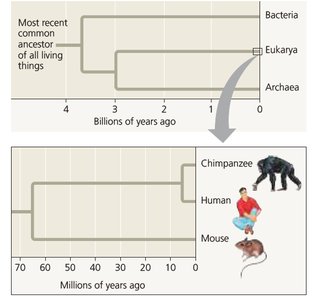
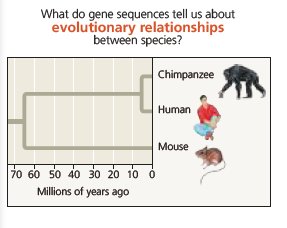
Evolutionary Relationships: Tree diagrams show divergence among bacteria, archaea, and eukaryotes, as well as among mammalian species.
Genomic Differences: Human and chimpanzee genomes differ by 1.2% in single nucleotide substitutions and 2.7% in larger DNA regions.
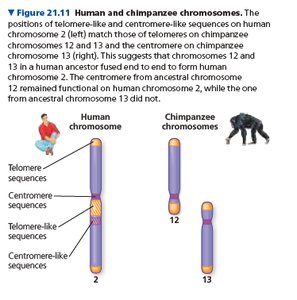
Telomeres and Centromeres: Chromosome 2 in humans formed by fusion of two ancestral chromosomes, matching chimpanzee chromosomes 12 and 13.
Evolutionary Developmental Biology (Evo-Devo)
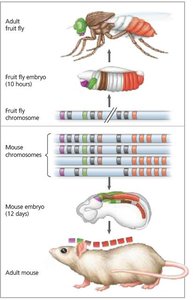
Evo-devo compares developmental processes in multicellular organisms, focusing on homeotic (Hox) genes that control body structure.
Hox Genes: Occur in the same linear sequence on chromosomes in both Drosophila and mice
Homeotic Genes: Control anterior and posterior body structures
Conclusion
Human genetics explains trait inheritance and the impact of the Human Genome Project on understanding DNA. Ongoing research in genomics and bioinformatics continues to improve human health and foster international collaboration. Additional info: The notes include expanded explanations of gene density, multi-gene families, and comparative genomics for completeness.
